"Scientific article by Miss Noor alhuda Azmi Hasan entitled: Cell Communication and Its Importance in Regulating Biological Processes"
27/02/2026 Share :
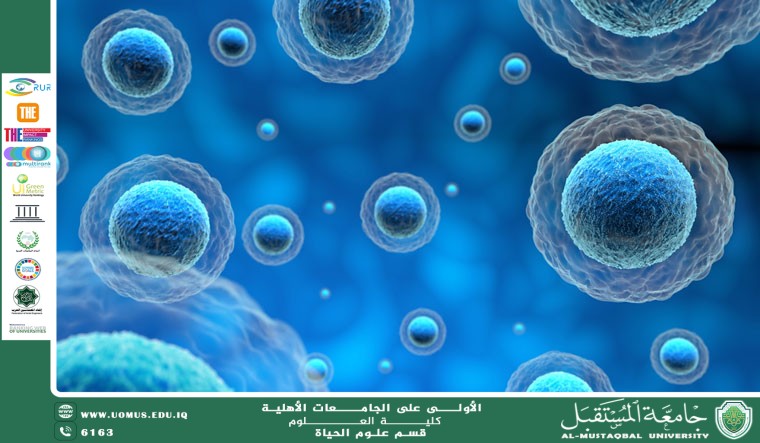
The ability of cells to communicate with each other is one of the most critical factors in regulating biological processes in living organisms. Cellular communication occurs via chemical signals such as hormones, neurotransmitters, and cytokines, or through direct contact between cell surfaces using specific receptors. This communication allows tissues and organs to function in coordination and regulate the body’s responses to internal and external environments.
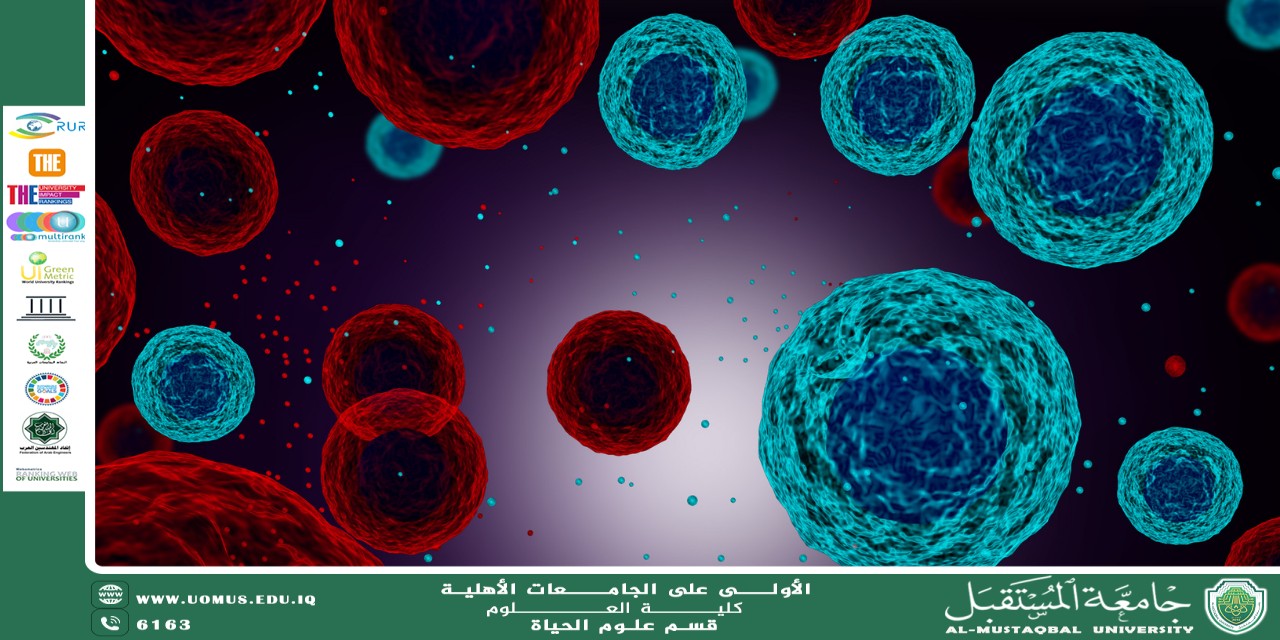
For example, in the immune system, lymphocytes communicate with other white blood cells to determine the type of immune response needed, whether antiviral or antibacterial. In plants, chemical signals activate defenses against pathogens like fungi and insects, allowing neighboring cells to recognize threats and trigger specific defense proteins.
Furthermore, cellular signaling plays a key role in regulating growth, differentiation, and tissue regeneration. Growth signals coordinate between stem cells and specialized cells to form organs correctly. Studying cellular communication helps scientists develop treatments for diseases caused by signaling defects, such as cancer, autoimmune disorders, and some developmental disorders, providing insights into how cells coordinate tissue growth and regeneration at a precise level.