Scientific article by Miss Noor alhuda Azmi Hasan entitled: The Effect of Light on Plant Growth
27/02/2026 Share :
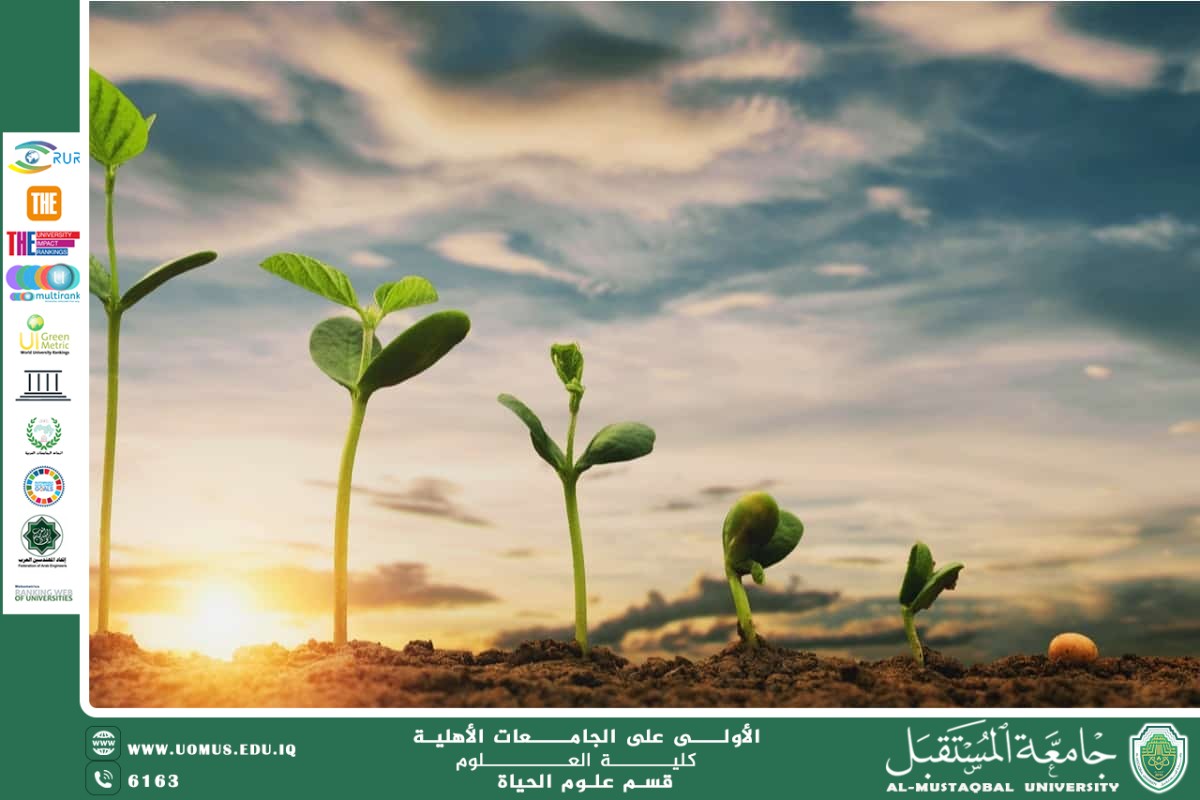
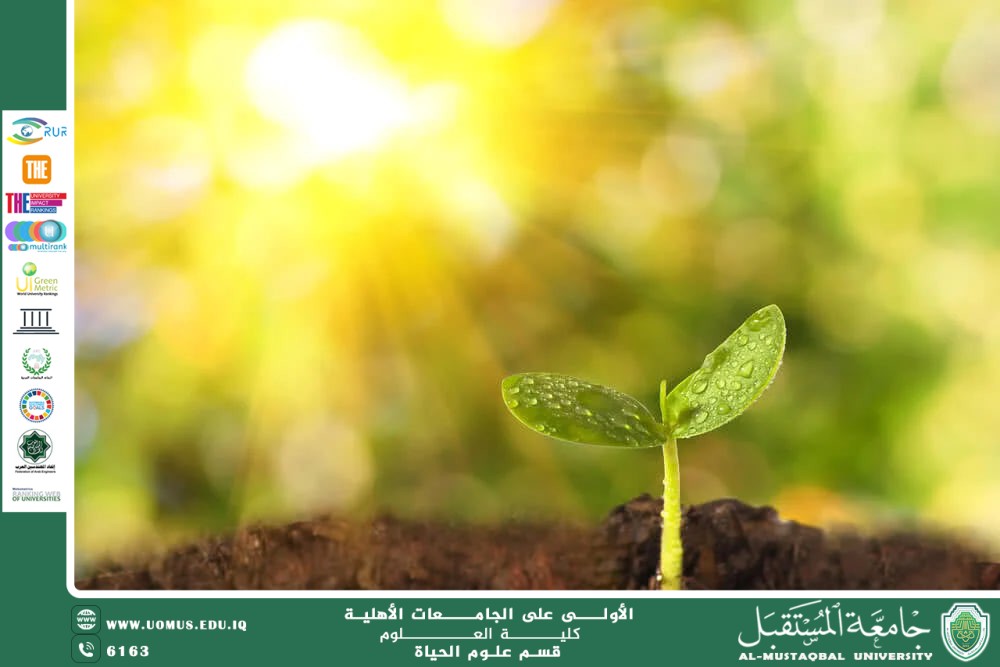
Light is one of the most critical environmental factors affecting plant growth and development. Through photosynthesis, plants absorb light and convert carbon dioxide and water into glucose and oxygen, providing energy necessary for growth. Plants respond differently to various light wavelengths: blue light promotes leaf growth and stomatal formation, while red light stimulates flowering and fruit development.
Additionally, light influences the direction of plant growth (phototropism), as plants grow toward the light source to optimize photosynthesis efficiency. Insufficient or excessive light can affect plant morphology—for example, elongated, weak stems under low light or restricted leaf growth under excessive light.
Understanding light’s effect on plants has significant practical applications in agriculture, vertical farming, and greenhouse cultivation, where light intensity and spectrum can be adjusted to improve yield, crop quality, and energy efficiency. This knowledge also aids in maintaining plants indoors or in areas with limited sunlight.
الهدف الرابع : التعليم الجيد