A Scientific Article by Teaching Assistant Ola Adel Rasmi Entitled: “Biological Development of Drought-Resistant Plants”
28/02/2026 Share :
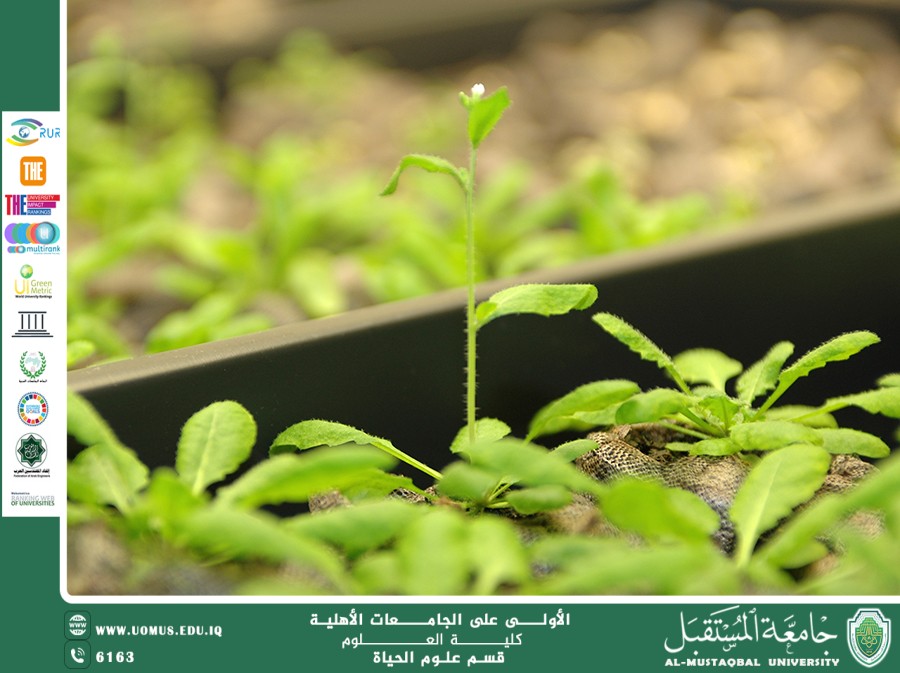
Drought-resistant plants are considered one of the most important innovations in modern agriculture, especially in light of climate change and the increasing prevalence of arid regions. These plants can be developed using genetic engineering techniques to modify specific genes that control resistance to water stress. For example, genes responsible for regulating the opening and closing of stomata can be altered, reducing water loss and enhancing the plant’s ability to tolerate dry conditions.
In addition to genetic modification, precision agriculture techniques such as hydroponics and vertical farming are employed to ensure efficient water use and continuous monitoring of plant growth. Genes from drought-resistant plants can also be introduced into food crops to develop new varieties that combine high yield with stress tolerance.
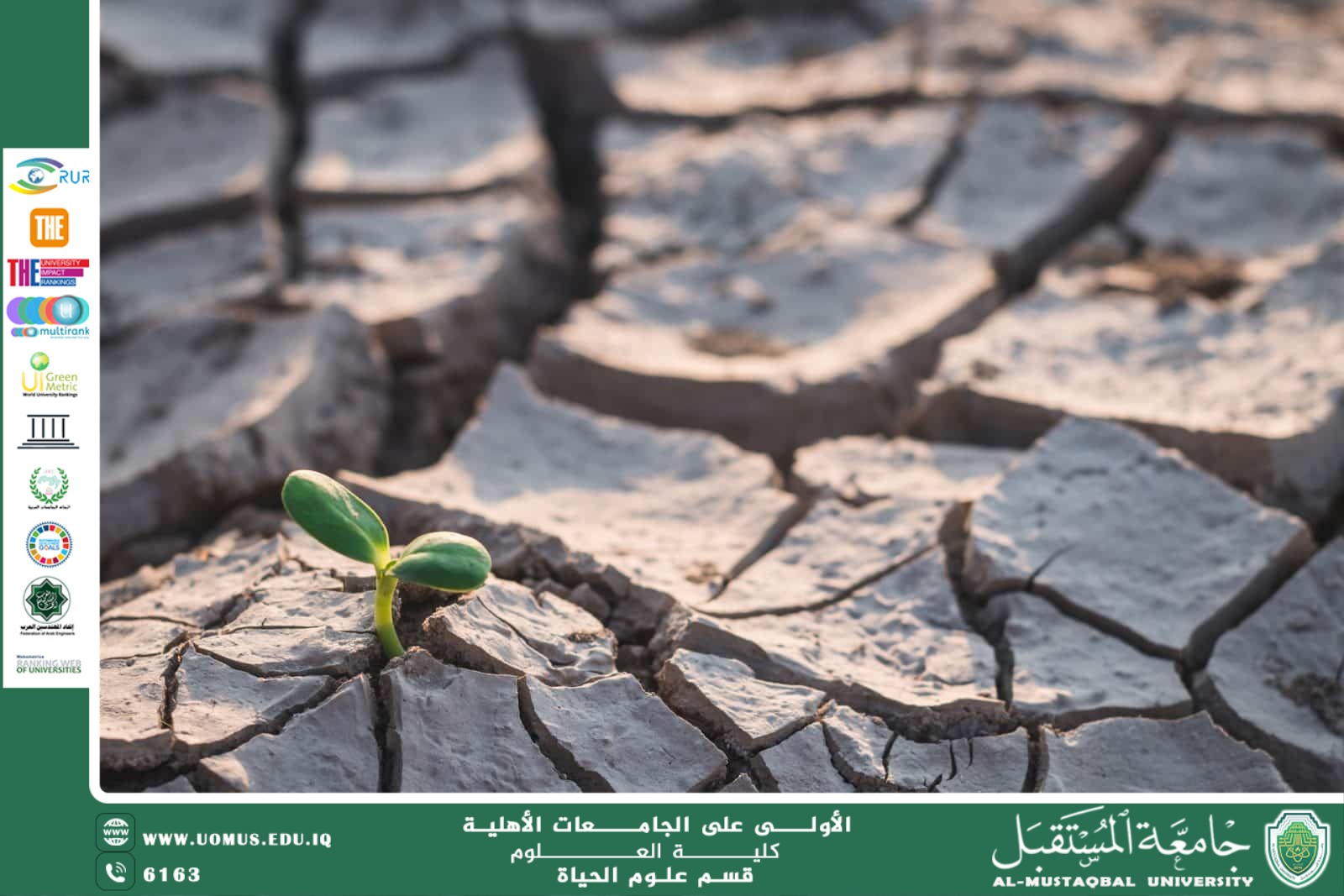
The importance of this development goes beyond agriculture, as it contributes to global food security, reduces crop losses due to drought, and ensures the sustainability of water resources. Drought-resistant plants also help adapt to climate change and support agricultural economies in arid regions with limited water availability.
Moreover, these plants offer additional environmental benefits, including:
Reducing land desertification and preserving soil fertility.
Supporting biodiversity by maintaining native plant and animal species in arid areas.
Decreasing greenhouse gas emissions by improving water use efficiency and reducing the need for intensive irrigation.
From an economic perspective, developing drought-resistant plants leads to higher agricultural yields and reduced financial losses for farmers. It also enhances a country’s ability to cope with food and water crises in the future and opens opportunities to export improved drought-tolerant crop varieties, thereby strengthening both local and global agricultural economies.