"Scientific article by Miss Noor alhuda Azmi Hasan entitled: The Effect of Minerals and Chemical Elements on Body Functions"
28/02/2026 Share :
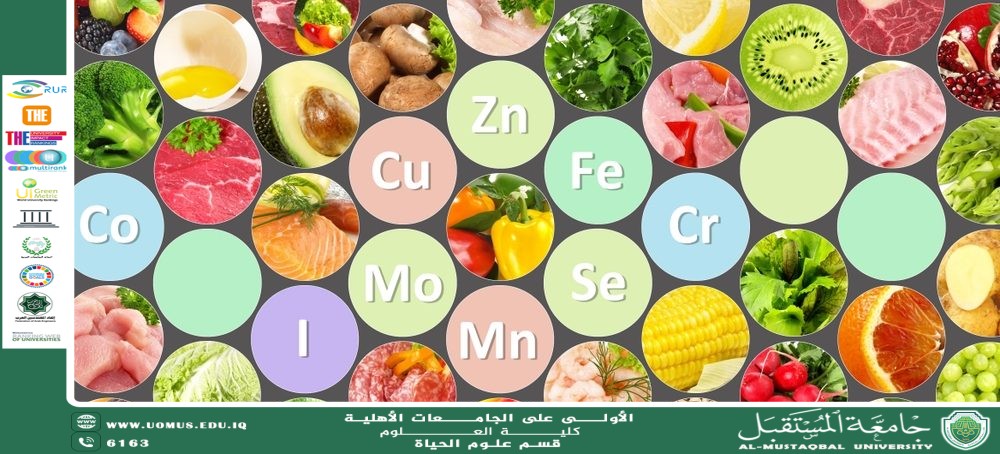
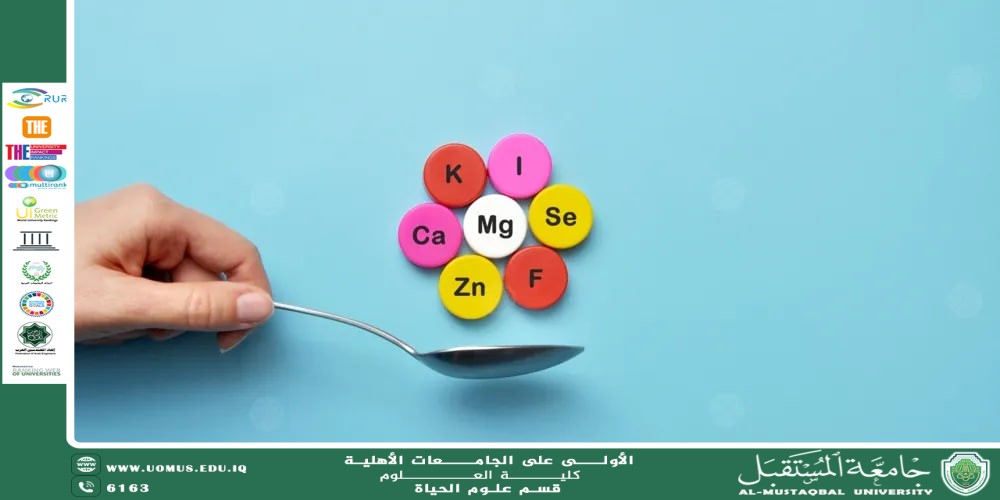
Minerals and chemical elements play a vital and fundamental role in maintaining the body’s health and complex functions. They are involved in the formation of all tissues and organs and contribute to biological processes such as cellular construction, blood pressure regulation, oxygen transport, and stimulation of essential enzymes and hormones. Minerals such as iron, calcium, magnesium, and zinc have specific functions. For example, iron is essential for hemoglobin formation, the protein responsible for transporting oxygen from the lungs to all body parts. Calcium supports bone and teeth health and participates in blood clotting and nerve signal transmission. Magnesium contributes to muscle and heart function, while zinc strengthens the immune system, aids wound healing, and stimulates growth.
Maintaining mineral balance is crucial for vital functions, as deficiency or excess can lead to serious health disorders. Iron deficiency causes anemia and persistent fatigue, calcium deficiency leads to osteoporosis and dental issues, and zinc deficiency weakens immunity and affects wound healing and growth. Excess heavy metals such as lead and mercury can cause toxicity affecting the liver, kidneys, and nervous system, leading to chronic health problems. Additionally, minerals play a role in energy metabolism, neural activity regulation, acid-base balance, and immune response. Therefore, a balanced diet including all essential minerals and careful monitoring of supplements is critical to prevent health imbalances.
الهدف 3 : الصحة الجيدة والرفاه