
A scientific article by Lecturer M.M. Ali Kumait Hamad entitled: Insulin Resistance
26/02/2026 Share :
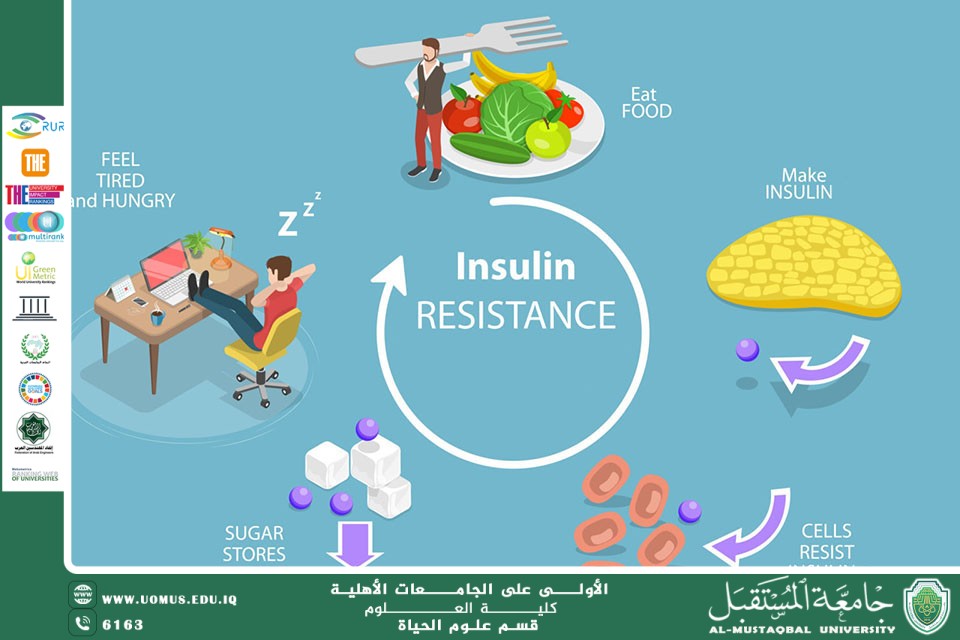
Insulin is a vital hormone secreted by the pancreas, and its primary function is to help the body’s cells absorb glucose (sugar) from the blood to use it as energy. In the case of insulin resistance, muscle, fat, and liver cells stop responding normally to this hormone, forcing the pancreas to produce more insulin in an attempt to push glucose into the cells. Over time, the pancreas may become overworked and fail to meet this increased demand, leading to the accumulation of sugar in the blood and paving the way for prediabetes and type 2 diabetes.
Causes of Insulin Resistance
This condition does not arise out of nowhere; it is often the result of a combination of lifestyle and genetic factors. The main causes include:
Overweight and obesity: Accumulation of visceral fat (fat surrounding organs in the abdomen and waist) is the most common and major cause. This fat releases hormones and inflammatory substances that impair the cells’ ability to respond to insulin.
Physical inactivity: Muscles are the primary site for glucose consumption. Regular physical activity increases cellular sensitivity to insulin, whereas a sedentary lifestyle worsens the problem.
Diets high in sugar: Continuous and excessive consumption of refined carbohydrates and sweetened beverages keeps insulin levels constantly high, gradually weakening the cells’ response.
Family history and genetics: The risk increases if there is a family history of type 2 diabetes.
Sleep disorders: Studies show that insufficient sleep or conditions like obstructive sleep apnea significantly increase insulin resistance.
Other medical conditions: Certain conditions are strongly linked to insulin resistance, such as polycystic ovary syndrome (PCOS) in women and chronic hormonal disorders.
Symptoms of Insulin Resistance
The danger of insulin resistance is that it is often “silent” in its early stages, sometimes taking years before a person notices any changes. However, when symptoms do appear, they may include:
Acanthosis Nigricans: One of the most common skin signs, appearing as dark, thick, velvety patches in skin folds such as the neck, armpits, or thighs.
Skin tags: Small, fleshy growths on the skin, often accompanied by dark pigmentation in the same areas.
Abdominal fat accumulation: Difficulty losing weight, especially around the waist and abdomen, despite consistent efforts.
Persistent hunger and fatigue: Feeling constantly tired and craving sweets and starchy foods even shortly after meals, because the cells are effectively “starving” due to their inability to absorb sugar for energy.
Laboratory signs: Elevated HbA1c or fasting glucose, high triglycerides, and low levels of HDL cholesterol.
Al-Mustaqbal University is The First University in Iraq
الهدف الرابع : التعليم الجيد