A Scientific Article by Miss Noor Al-Huda Azmi Hassan Entitled: Fertile Soil
27/02/2026 Share :
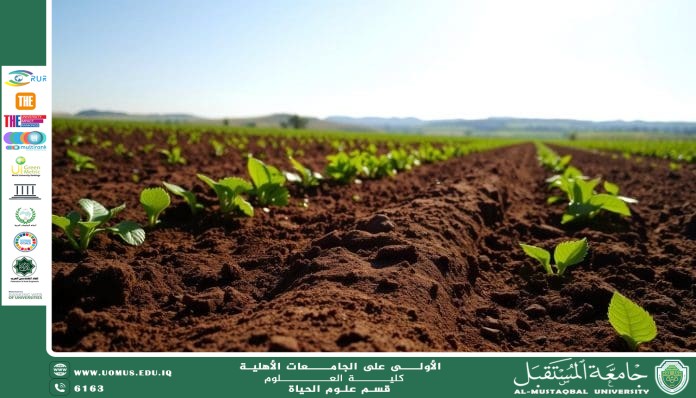
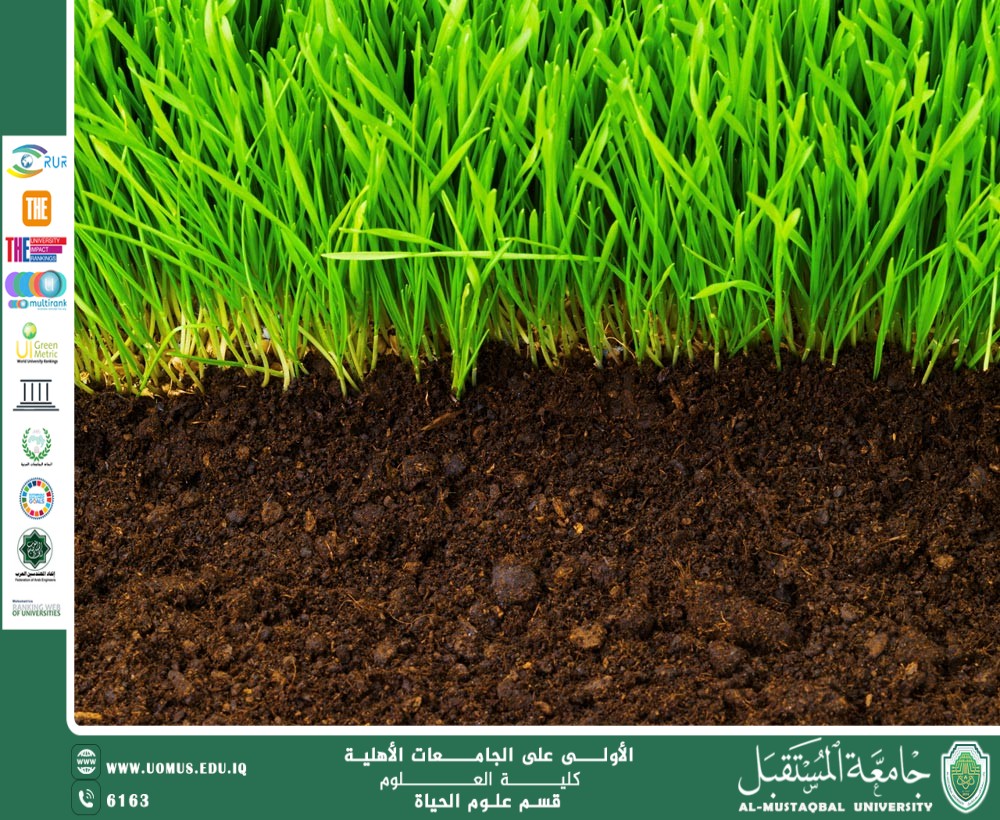
Fertile soil is considered one of the most important natural resources upon which humans rely for food production and the continuation of life on Earth. Soil is not merely a layer of dirt; rather, it is an integrated ecosystem containing mineral elements, organic matter, and microorganisms that all contribute to supporting plant growth.
Concept of Fertile Soil
Fertile soil is soil rich in essential nutrients such as nitrogen, phosphorus, and potassium. It also contains an appropriate proportion of organic matter (humus) and has a good ability to retain water while maintaining proper aeration at the same time. These characteristics help roots grow and absorb nutrients efficiently.
Components of Fertile Soil
Mineral materials: Including sand, silt, and clay, which determine the soil’s texture.
Organic matter: Produced from the decomposition of plant remains and living organisms, increasing soil fertility.
Water: Essential for dissolving nutrients and transporting them to plants.
Air: Fills the spaces between soil particles and helps roots respire.
Microorganisms: Such as bacteria and fungi that decompose organic matter and fix important elements.
Importance of Fertile Soil
Increasing agricultural crop productivity.
Improving the quality of food produced.
Reducing the need for chemical fertilizers.
Maintaining ecological balance.
Ways to Preserve Soil Fertility
Adding organic fertilizers and compost.
Following crop rotation systems.
Avoiding excessive use of pesticides and chemical fertilizers.
Protecting soil from erosion by planting cover crops.
Preserving fertile soil is a shared responsibility, as it is the foundation for achieving food security and ensuring the sustainability of natural resources for future generations.
Al-Mustaqbal University – The First University in Iraq.
الهدف 11 – مدن ومجتمعات محلية مستدامة