Scientific Article by Miss Noor al-Huda Azmi Hasan titled: The Role of Agricultural Chemicals in the Pollution of Rivers and Water Bodies
27/02/2026 Share :
Agriculture is one of the fundamental economic activities that meet human food needs, yet it is also a major source of water pollution. Agricultural chemicals such as pesticides, chemical fertilizers, and herbicides play an important role in increasing production, but they can cause negative effects on the aquatic environment.
Types of Agricultural Chemicals and Their Impact
Chemical Fertilizers
Contain nitrate, phosphorus, and potassium.
When used in excessive or unbalanced amounts, they can leach into rivers and lakes.
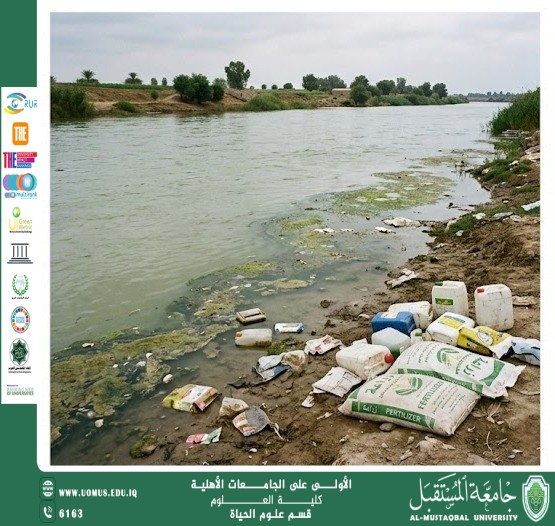
Lead to eutrophication, which causes rapid algae growth, reduces oxygen in the water, and results in the death of fish and aquatic organisms.
Insecticides
Include organic compounds such as DDT and some modern pesticides.
Easily carried by irrigation water or rainfall into water bodies.
Cause fish poisoning and accumulation of toxic substances in the food chain, potentially affecting humans.
Herbicides and Fungicides
Used to control the growth of weeds and fungi.
Can seep into water bodies, disrupting the ecological balance of aquatic organisms.
Ways Chemicals Enter Water
Surface Runoff: Rainwater carries chemicals from the soil into rivers and lakes.
Leaching into Groundwater: Excessive use of fertilizers and pesticides can penetrate the soil and reach groundwater.
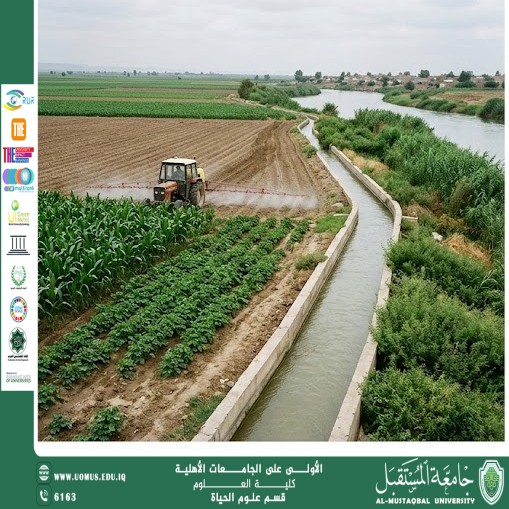
Direct Spraying Near Waterways: Leads to immediate chemical entry into water bodies.
Environmental and Health Effects
On the Environment: Fish deaths, reduced biodiversity, growth of harmful algae, and deterioration of water quality.
On Humans and Animals: Exposure through drinking contaminated water or consuming affected fish, potentially leading to health issues such as cancer and nervous system disorders.
On Agriculture Itself: Continuous pollution can reduce soil fertility and affect long-term agricultural productivity.
Solutions and Techniques to Reduce Pollution
Precision Agriculture: Applying fertilizers and pesticides in appropriate amounts based on actual need.
Organic Fertilizers: Such as compost, to reduce reliance on chemical fertilizers.
Vegetative Barriers or Riparian Buffers: To absorb chemicals before they reach rivers.
Farmer Awareness and Training: Educating farmers about sustainable agricultural practices.
Agricultural chemicals are essential for increasing food production, but they pose a significant threat to rivers and water bodies if not used carefully. Balancing agricultural productivity with the protection of aquatic environments requires implementing sustainable farming practices and adopting modern strategies to reduce pollution.
الهدف 11 – مدن ومجتمعات محلية مستدامة