The Self and the Other in the Texts of Bayat Al-Marai
07/03/2026 Share :
The duality of the self and the other represents one of the significant intellectual and aesthetic themes in contemporary literature, as it reflects the nature of the relationship between the human self and the surrounding world. In the texts of Bayat Al-Marai, this duality emerges as a central element in shaping the literary and intellectual vision of the writer. The self appears as an entity constantly searching for its identity and meaning amid the rapid social and cultural transformations experienced by modern society. The writer portrays the self as a restless and questioning presence, attempting to understand its position in the world and to redefine its relationship with the other.
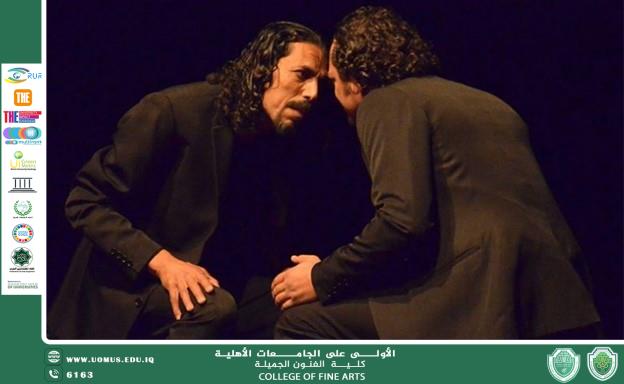
In these texts, the other appears in multiple forms. It may represent an individual, society, or a system of values and ideas that influence the individual. At times, the other is portrayed as a force that pressures the self and attempts to confine it within the norms of the collective. At other times, however, the other functions as a mirror reflecting the truth of the self and encouraging it to reconsider its perspectives and beliefs. Through this dynamic interaction between the self and the other, a dramatic tension emerges that enriches the texts with profound human significance.
Al-Marai’s texts often rely on internal dialogue, poetic language, and symbolic imagery to highlight this existential tension. Characters frequently appear in states of reflection or intellectual confrontation, revealing a conflict between the desire to belong to the collective and the need to preserve personal individuality and independence. The narrative structure and symbolic intertextuality further deepen this dialectic, allowing multiple voices and perspectives to interact within the narrative framework.
In some texts, the other transforms from a source of conflict into a catalyst for change. It becomes a motivating force that pushes the self toward rediscovery and self-awareness. In this sense, the other becomes an integral part of identity formation rather than merely an opposing force. This transformation reflects a humanistic vision that views difference as an opportunity for dialogue and development rather than a permanent source of conflict.
Through this artistic and intellectual approach, the texts of Bayat Al-Marai question contemporary human reality and raise fundamental issues related to identity, belonging, and the meaning of existence. They do not merely present the relationship between the self and the other, but rather reconstruct it within a rich literary space filled with symbols and meanings. Consequently, these texts offer a literary experience that highlights the complexity of the relationship between the individual and society, revealing psychological and philosophical dimensions that make the duality of the self and the other a key theme in understanding the human experience in a constantly changing world.
Almustaqbal University, The First University in Iraq.