Scientific Article by Ms. Tabarak Ahmed Turki Al-Azzawi Fasting in Kidney Patients: Advice and Guidelines
07/03/2026 Share :
Fasting and Kidney Function
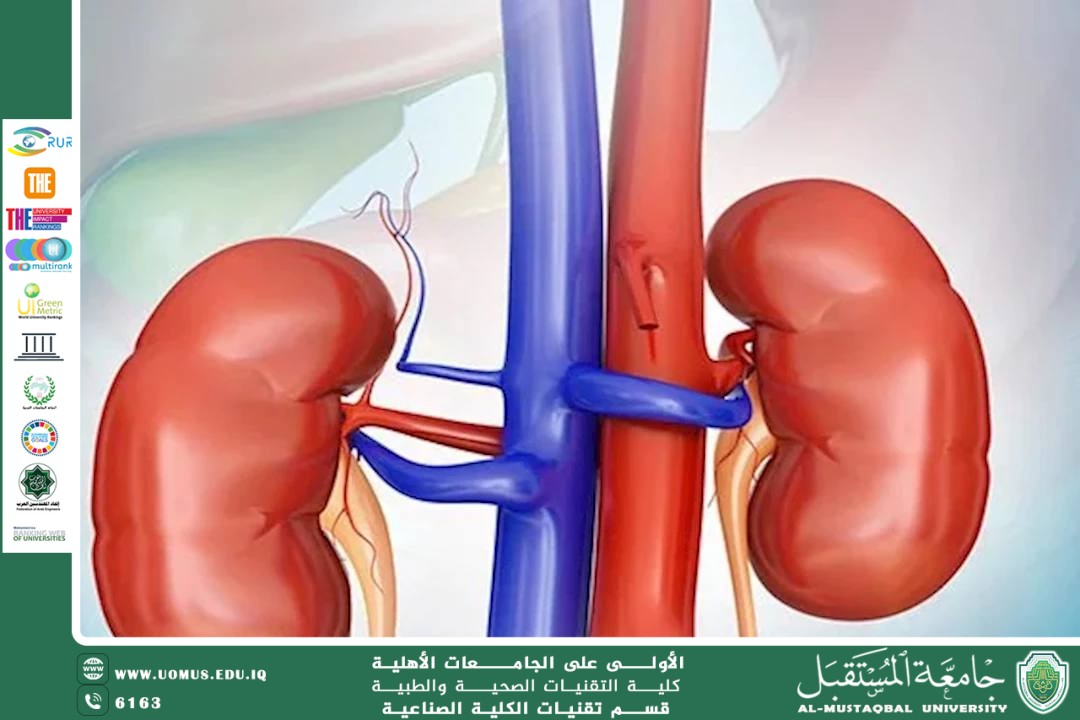
The kidneys play a fundamental role in maintaining the balance of fluids and electrolytes in the body, regulating blood pressure, and eliminating toxins. During fasting, fluid intake may decrease, which can lead to dehydration and an increase in blood electrolyte concentration, consequently putting stress on the kidneys.
Fasting in Kidney Patients: Advice and Guidelines
1. Consult a physician before fasting to evaluate kidney function and determine the feasibility of fasting.
2. Drink sufficient fluids between Iftar and Suhoor to prevent dehydration.
3. Avoid salty and processed foods that increase the kidney’s workload and affect blood pressure.
4. Monitor kidney function through blood tests before and after fasting.
5. Adjust medication schedules with the guidance of a physician to align with fasting hours.
6. Watch for warning signs, such as reduced urine output, swelling of the feet, or severe fatigue, and break the fast immediately if these appear.
Fasting and Kidney Disease Prevention
Fasting may help prevent chronic kidney disease in healthy individuals by:
• Improving blood pressure control.
• Reducing cholesterol and blood lipid levels.
• Enhancing metabolism and regulating blood sugar.
Conclusion
Fasting carries both health and spiritual benefits and can be safe for most individuals, including some kidney patients, if medical guidelines are followed and kidney function is carefully monitored. Focusing on adequate fluid intake, avoiding harmful foods, and maintaining regular medical follow-up ensures a balance between the religious and health benefits of fasting.
Al-Mustaqbal University The First University in Iraq