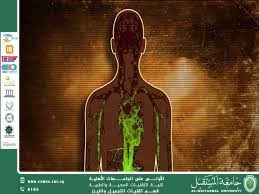

How Toxins Enter the Human Body and Their Effects on Health
08/03/2026 Share :
Introduction
Toxins are harmful substances that can enter the human body through several pathways and negatively affect vital biological functions. These toxins may be natural, such as those produced by certain organisms, or synthetic, such as industrial chemicals and environmental pollutants. Understanding how toxins enter the human body is essential for preventing exposure and reducing potential health risks.
Routes of Toxin Entry into the Human Body
Inhalation
Inhalation is one of the most common ways toxins enter the body. Toxic gases, chemical vapors, and fine particles can enter through the nose or mouth and reach the respiratory system. From the lungs, these toxins may pass into the bloodstream and spread to other organs. Examples include industrial smoke, vehicle exhaust, and chemical pesticides.
Ingestion
Toxins may enter the body through contaminated food or water. Poisoning can also occur when medications are taken incorrectly or when harmful substances are accidentally swallowed. Once ingested, toxins are absorbed through the digestive system and transported through the bloodstream to organs such as the liver and kidneys.
Skin Absorption
Although the skin acts as a protective barrier, some toxic chemicals can penetrate it, especially after prolonged exposure or when the concentration of the substance is high. Examples include certain pesticides, industrial chemicals, and contaminated cosmetic products.
Injection or Wounds
Toxins may also enter the body directly through cuts, wounds, or through bites and stings from venomous animals and insects. In such cases, toxins can quickly reach the bloodstream and cause rapid and sometimes severe health effects.
Effects of Toxins on Human Health
The health effects of toxins vary depending on the type of toxin, the amount of exposure, and the duration of exposure. Some toxins may cause mild symptoms such as headaches, nausea, and dizziness, while others can lead to serious damage to vital organs including the liver, kidneys, and nervous system. In severe cases, acute poisoning may occur and can be life-threatening.
Prevention of Toxic Exposure
The risk of toxin exposure can be reduced by following preventive measures such as avoiding inhalation of harmful chemicals, properly washing food before consumption, using protective equipment when handling chemicals, and taking medications only according to medical instructions.
Conclusion
Understanding the different routes through which toxins enter the human body plays a crucial role in protecting human health. Increasing awareness and following safety measures can significantly reduce the risks associated with toxic exposure.
Al-Mustaqbal University – The First University in Iraq.