Psychological First Aid During Wars
09/03/2026 Share :
Introduction :
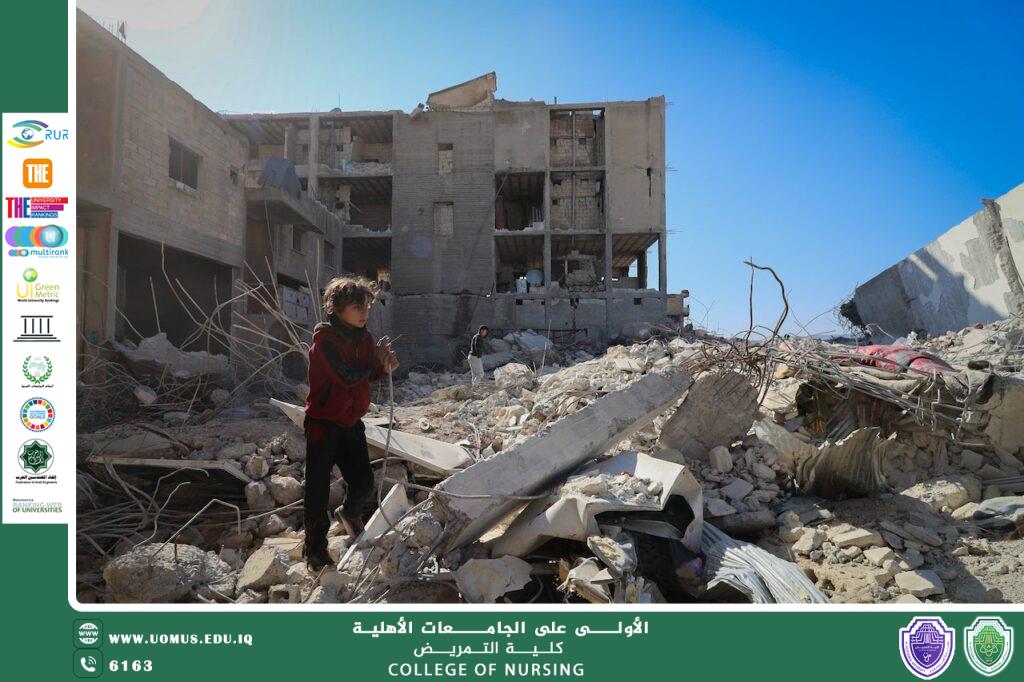
Wars are considered among the most traumatic events affecting the mental health of individuals and communities. Both civilians and military personnel are exposed to high levels of fear, anxiety, and loss of security. These conditions may lead to psychological disorders such as Post-Traumatic Stress Disorder, Acute Stress Disorder, depression, and anxiety.
Therefore, there is a need for rapid and effective interventions to support affected individuals. One of the most important interventions is Psychological First Aid (PFA), which is an immediate humanitarian response aimed at reducing psychological distress and enhancing individuals’ ability to cope with traumatic experiences.
Concept of Psychological First Aid :
Psychological First Aid (PFA) is defined as a set of supportive humanitarian interventions provided to individuals who have experienced traumatic events, aiming to help them feel safe and calm while connecting them with available support resources.
Several international organizations, such as the World Health Organization and the International Federation of Red Cross and Red Crescent Societies, have developed guidelines for implementing these interventions during disasters and armed conflicts.
Importance of Psychological First Aid During Wars
Psychological First Aid becomes particularly important in war environments due to several factors:
The widespread psychological trauma resulting from bombing, displacement, and loss of loved ones.
The collapse or disruption of some healthcare services, making rapid interventions essential.
Preventing the development of long-term psychological disorders.
Enhancing psychological resilience among individuals and communities.
Studies have shown that early intervention can significantly reduce the likelihood of developing post-traumatic stress disorder.
Core Principles of Psychological First Aid
Psychological First Aid is based on three main principles:
1. Look
This involves assessing the general situation and identifying individuals who need psychological support, while observing signs of distress such as:
Intense crying
Confusion
Silence or social withdrawal
Panic attacks
2. Listen
This involves active listening to affected individuals without judgment and giving them the opportunity to express their feelings, which helps reduce psychological tension.
3. Link
This includes connecting affected individuals with available services such as:
Health services
Social support
Humanitarian assistance
The Role of Nurses in Providing Psychological First Aid
Nurses play a vital role in providing psychological support during wars, especially in emergency departments and displacement camps. Their responsibilities include:
Assessing the psychological condition of affected individuals
Providing immediate emotional support
Reassuring patients and their families
Offering clear information about the situation and available services
Referring severe cases to mental health specialists
Due to their medical training and humanitarian role, nurses are among the most capable professionals to implement these interventions during emergencies.
Challenges in Implementing Psychological First Aid
Despite its importance, several challenges hinder the application of Psychological First Aid in war zones, including:
Shortage of trained personnel
Psychological pressure on healthcare providers
Limited healthcare resources
Difficulty accessing some affected areas
Conclusion
Psychological First Aid represents one of the most important humanitarian interventions during wars, as it helps reduce psychological suffering and enhances individuals’ ability to cope with traumatic experiences. Therefore, healthcare workers—especially nurses—should receive proper training in these skills to ensure an effective psychological response during humanitarian crises.