The Role of Information Technology in Developing the Nursing Profession
09/03/2026 Share :
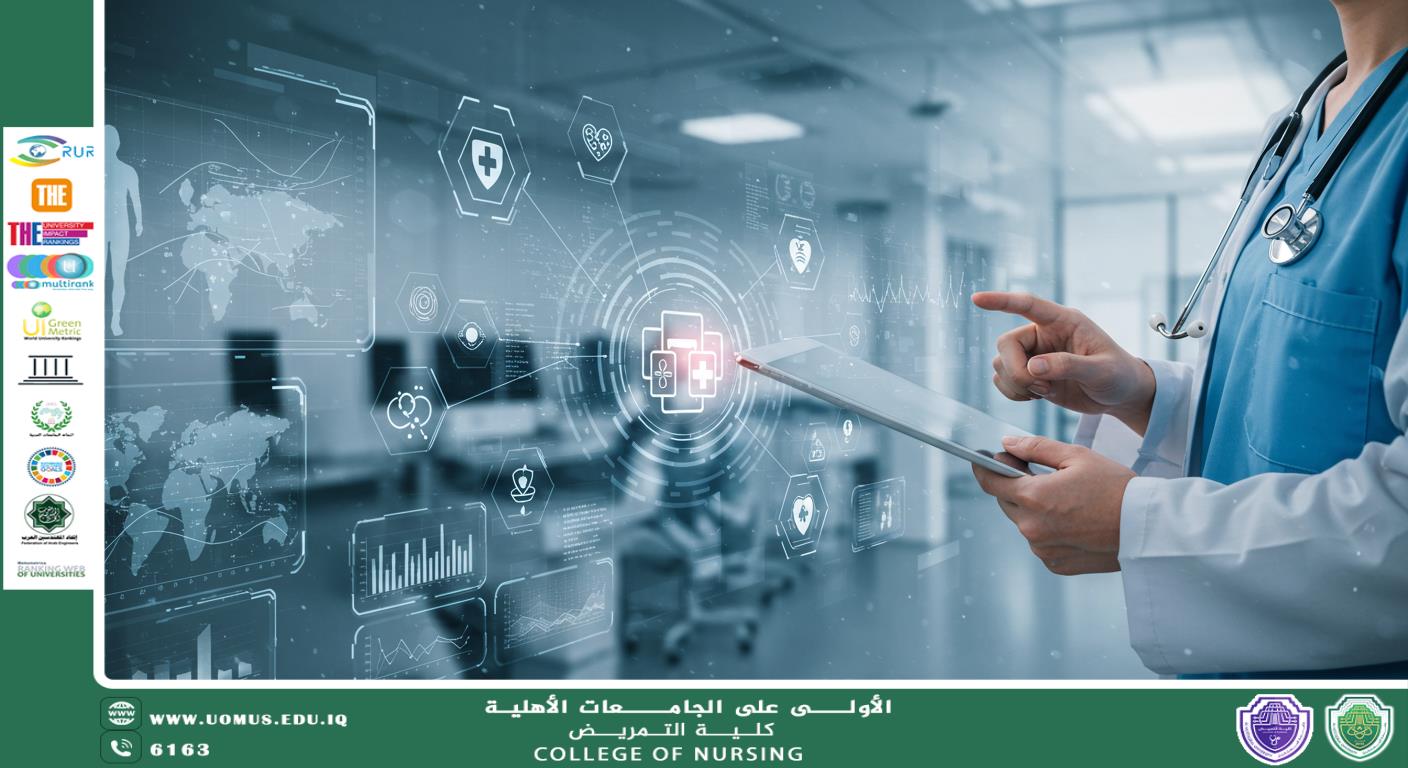
Information technology (IT) has significantly contributed to the evolution of nursing practices through the implementation of Electronic Health Records (EHR). These records enable the accurate and organized documentation of patients' medical information, such as medical history, laboratory results, diagnoses, and treatment plans. This system allows nurses to access medical data quickly, facilitating nursing clinical decision-making and reducing the likelihood of medical errors associated with manual documentation.
Furthermore, the use of Clinical Decision Support Systems (CDSS) assists nursing staff in assessing patient conditions and suggesting appropriate nursing interventions based on available medical data. These systems analyze health information and provide alerts or recommendations that help improve patient safety and the quality of care provided.
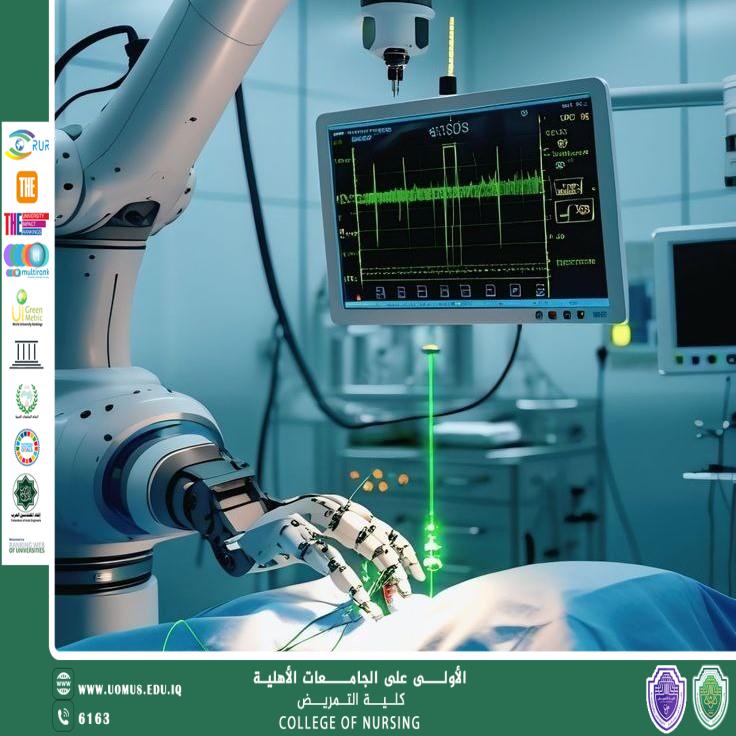
In addition, advanced medical devices connected to digital networks have become a vital part of the nursing work environment. Examples include Electronic Vital Signs Monitoring Systems, which measure critical indicators such as blood pressure, heart rate, oxygen saturation, and body temperature. These systems enable the real-time transmission of data to medical databases or specialized physicians, ensuring a rapid response to any changes in a patient's condition.
Another crucial aspect is the employment of Telemedicine and Telenursing, where nurses can monitor patients and provide health guidance remotely using modern communication technologies. This contributes to expanding the scope of healthcare, particularly in remote areas or those suffering from a shortage of medical personnel.
Information technology also plays a prominent role in continuing nursing education and training through e-learning platforms and digital medical simulations. These tools help nurses develop their professional skills and stay updated on the latest treatment protocols and international healthcare standards.
The integration of the nursing profession with information technology represents a fundamental step toward building a modern health system based on accuracy, efficiency, and the rapid exchange of information. Digital technologies not only enhance the performance of nursing staff but also bolster patient safety and elevate the level of health services provided to the community.