Halitosis: Causes and Management
27/02/2026 Share :
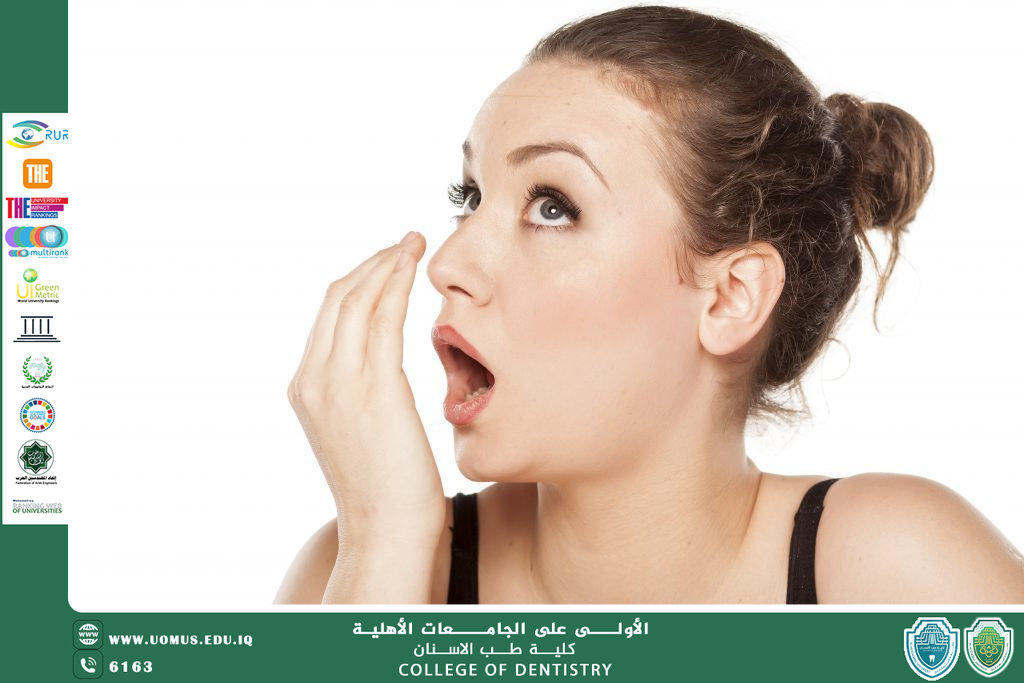
Halitosis, commonly known as bad breath, is a frequent condition that may affect an individual’s self-confidence and social interactions. Although it is often manageable, it can sometimes indicate underlying oral health problems or inadequate hygiene practices.
In most cases, bad breath results from bacterial accumulation in the mouth, particularly on the tongue and between teeth. These bacteria break down food debris and produce sulfur-containing compounds that generate unpleasant odors. Dental caries, periodontal diseases, dry mouth, and poor oral hygiene can all contribute to the development of halitosis.
However, the causes are not always limited to oral factors. Certain lifestyle habits, such as smoking, and systemic conditions may also contribute to persistent bad breath. Additionally, some foods with strong aromas can temporarily influence breath odor. For this reason, proper diagnosis requires a comprehensive evaluation of oral health and daily habits.
Effective management of halitosis focuses on addressing the underlying cause. In many cases, improving daily oral hygiene—such as regular tooth brushing, flossing, and tongue cleaning—can significantly reduce odor. Routine dental examinations are also essential to detect and treat conditions such as cavities or gum disease that may contribute to the problem.
Maintaining adequate hydration, reducing smoking, and following a balanced diet can also help maintain a healthy oral environment and limit odor-producing bacteria.
Ultimately, halitosis should not be considered merely a cosmetic concern. It may serve as a signal that the oral cavity requires better care. With accurate diagnosis and proper management, individuals can restore both oral comfort and confidence in daily interactions.
Al-Mustaqbal University – The Leading University in Iraq