The Importance of Dental Care During Pregnancy
03/03/2026 Share :
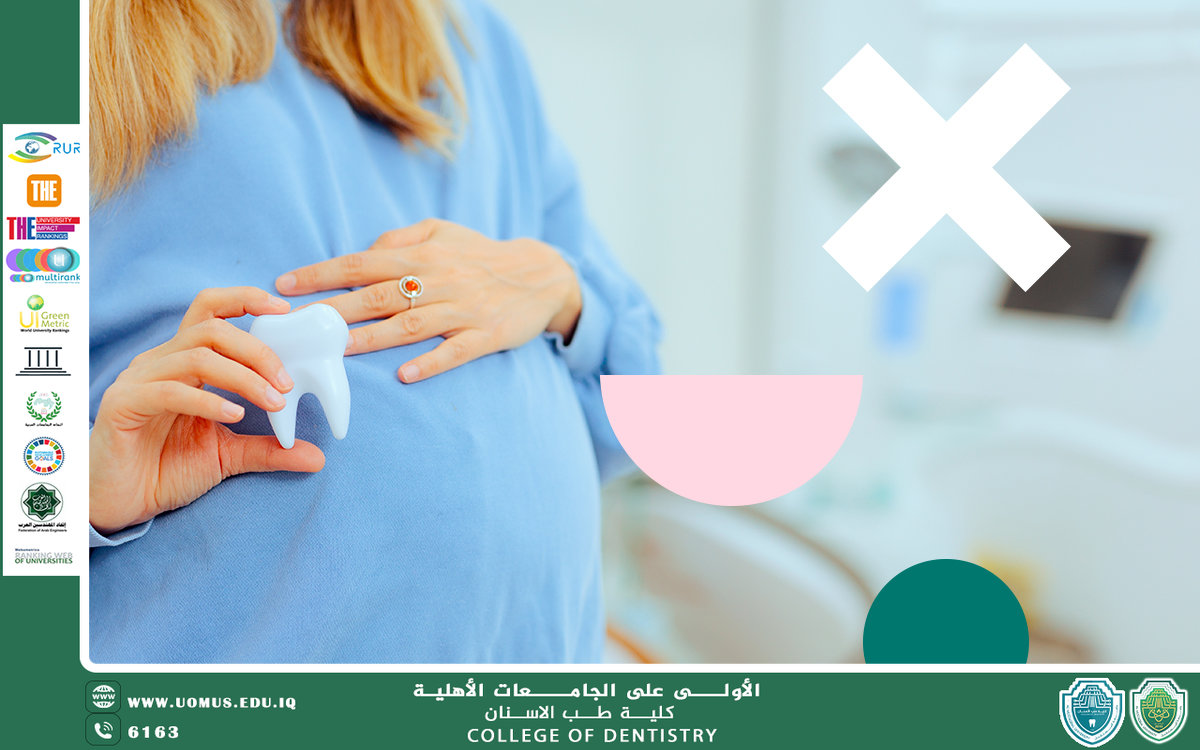
Pregnancy is a unique stage in a woman’s life, accompanied by hormonal and physiological changes that influence many aspects of health, including oral health. For this reason, maintaining proper dental care during pregnancy is not merely a preventive measure but an essential component of protecting the health of both the mother and the developing child.
Hormonal fluctuations during pregnancy can increase the sensitivity of the gums to inflammation, often leading to a condition known as pregnancy gingivitis. Symptoms may include redness, swelling, and bleeding during tooth brushing. Without early management, this condition may progress into more serious periodontal problems that affect overall oral health.
Certain pregnancy-related factors, such as morning sickness and changes in dietary habits, may also increase the risk of dental caries. Frequent exposure to stomach acids or increased consumption of sugary foods can disrupt the balance of the oral environment and encourage the growth of cariogenic bacteria.
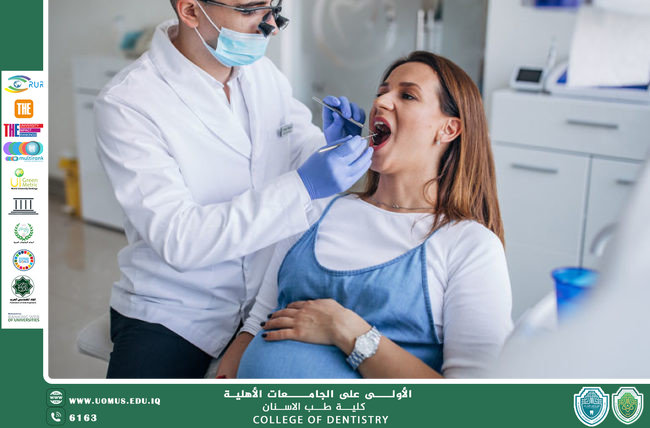
For these reasons, dentists strongly recommend maintaining consistent oral hygiene practices throughout pregnancy. Brushing twice daily with fluoride toothpaste, flossing regularly, and attending routine dental check-ups for examination and professional cleaning are essential preventive steps.
Health education also plays a crucial role during this period. Understanding the connection between oral health and pregnancy outcomes encourages expectant mothers to adopt preventive practices. Maintaining healthy gums and teeth contributes not only to the mother’s comfort but also supports the overall well-being of the developing baby.
Ultimately, dental care during pregnancy is an integral part of comprehensive healthcare, reflecting the importance of prevention in safeguarding the health of both mother and child.
Al-Mustaqbal University – The Leading University in Iraq