
Scientific Article by Lecturer Assistant Doaa Salah Sahib: The Relationship Between Microorganisms and Plant Roots in Soil
21/03/2026 Share :
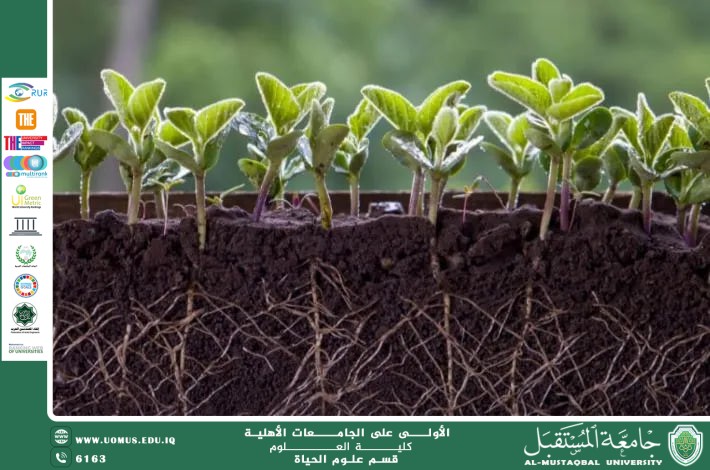
The relationship between microorganisms and plant roots in soil is one of the most important biological interactions affecting plant growth and soil fertility. Soil contains large numbers of microscopic organisms such as bacteria, fungi, and algae, which interact directly with plant roots in a region known as the rhizosphere. This area is characterized by high microbial activity due to the release of organic compounds from plant roots that nourish these microorganisms.
First, plant roots secrete organic substances such as sugars, amino acids, and vitamins, which serve as a food source for microorganisms in the soil. As a result of the availability of these nutrients, large populations of bacteria and fungi accumulate around the roots, forming an active microbial community that influences plant growth.
Second, some microorganisms play an important role in improving plant nutrition. Certain types of bacteria are capable of fixing atmospheric nitrogen and converting it into forms that plants can absorb and utilize. Additionally, some bacteria and fungi help dissolve phosphorus and mineral elements in the soil, making them available for plant uptake.
Third, mycorrhizal fungi are among the most important organisms associated with plant roots, forming a symbiotic relationship with the plant. Their hyphae extend into the soil and help roots absorb greater amounts of water and nutrients, especially phosphorus. In return, the fungi receive organic compounds produced by the plant.
Fourth, some microorganisms can protect plants from diseases. Certain bacteria produce substances that inhibit pathogenic organisms, reducing root infections caused by harmful fungi or bacteria. Thus, these microorganisms contribute to enhancing plant health and increasing resistance to diseases.
However, some harmful microorganisms may also be present, causing plant diseases such as root rot or wilting. Therefore, maintaining a balance between beneficial and harmful microorganisms in the soil is essential for preserving plant health.
In conclusion, the relationship between microorganisms and plant roots plays a crucial role in the soil ecosystem. It contributes to improving soil fertility, enhancing nutrient uptake efficiency, and protecting plants from diseases. Understanding this relationship helps in developing sustainable agricultural practices and improving crop productivity.
Al-Mustaqbal University is the First University in Iraq
الهدف 11 – مدن ومجتمعات محلية مستدامة