The Impact of Rising Temperatures and Water Scarcity on the Spread of Diseases
25/03/2026 Share :
Dr. Ayad Abdelsalam
Introduction
Climate change is one of the most significant global challenges of our time. Rising temperatures and water scarcity have serious health impacts on human populations. This issue is particularly critical in arid and semi-arid regions, where environmental conditions contribute to the spread of diseases.
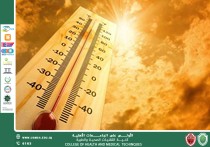
First: Impact of Rising Temperatures on Disease Spread
Higher temperatures contribute to the spread of diseases through several mechanisms:
- Increased growth of pathogens: Bacteria and viruses reproduce more rapidly in warm environments.
- Expansion of vector-borne diseases: Such as malaria and dengue fever, due to increased mosquito populations.
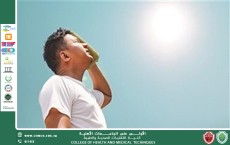
- Heat stress: Weakens the human immune system, making individuals more susceptible to infections.
- Food spoilage: High temperatures accelerate food deterioration, increasing cases of food poisoning.
Second: Impact of Water Scarcity on Disease Spread
Water scarcity leads to multiple health issues, including:
- Personal and public hygiene, facilitating infectious diseases.
- Use of contaminated water: Increases the risk of waterborne diseases such as cholera and diarrhea.
- Inadequate sanitation systems: Promotes the spread of bacteria and parasites.
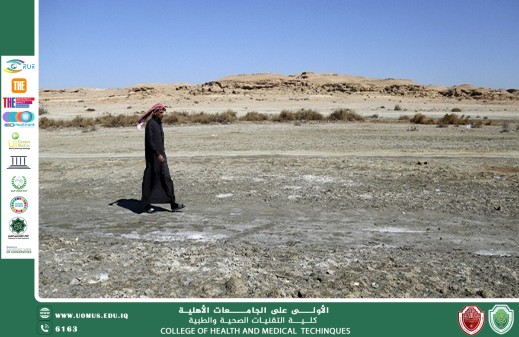
Third: Combined Effects of Heat and Water Scarcity
When rising temperatures coincide with water shortages, health risks intensify:
- Water quality deteriorates more rapidly.
- The likelihood of epidemics increases.
- Higher incidence of skin, gastrointestinal, and respiratory disease