A Scientific Article by Lecturer M.M. Duha Salah Sahib Entitled: Modern Techniques for Studying Microbiology in Aquatic Environments
25/03/2026 Share :
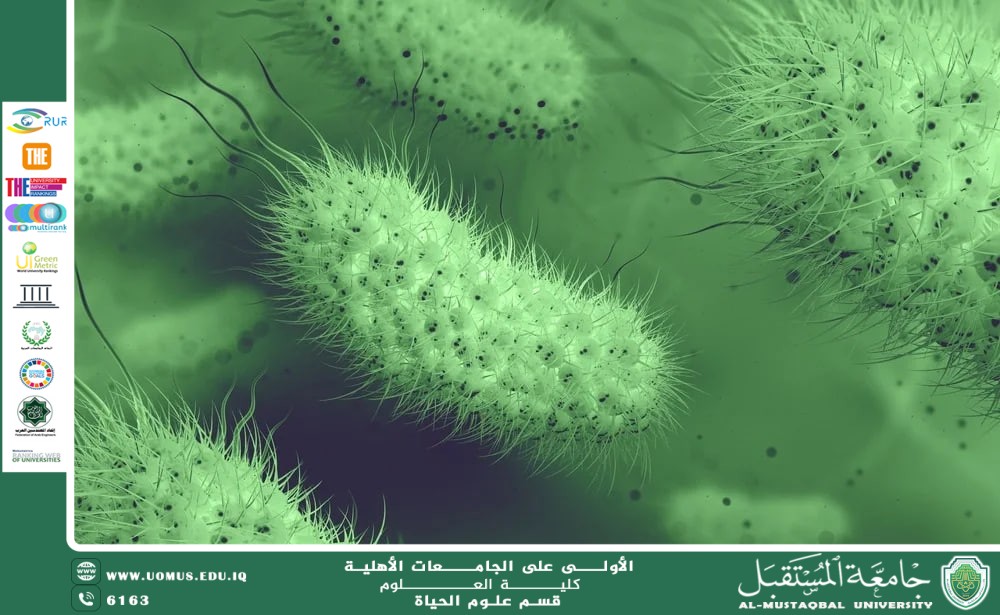
Microorganisms in aquatic environments are among the most important biological components that influence ecosystem balance and water quality. These organisms include bacteria, fungi, algae, and protozoa, all of which play a significant role in nutrient cycling and the decomposition of organic matter. With scientific and technological advancements, many modern techniques have emerged that enable scientists to study these organisms more precisely and better understand their diversity and functions in aquatic environments.
First, one of the most important techniques used is the electron microscope, which allows the observation of microorganisms at extremely high resolution that cannot be achieved with a conventional light microscope. This type of microscope helps in studying the internal and external structures of microbial cells, contributing to the identification of their characteristics and functions.
Second, molecular analysis techniques such as DNA analysis are widely used in studying microorganisms. These techniques enable scientists to identify microbial species present in water, including those that cannot be cultured in laboratories. They also help in studying microbial diversity and understanding the relationships among different microorganisms in aquatic environments.
Third, Polymerase Chain Reaction (PCR) is considered one of the most important modern techniques in microbiology. It allows the amplification of very small amounts of microbial DNA, making detection and study more accurate and efficient. This technique is widely used to detect pathogenic microorganisms in drinking water and other aquatic environments.
Fourth, biosensing technologies are also used, which rely on sensitive devices to detect the presence of microorganisms or their by-products in water. These technologies help in monitoring water quality and in the early detection of microbial contamination.
In addition, modern genetic sequencing technologies contribute to analyzing the genetic material of microorganisms found in water, helping to identify their species and study their ecological roles. These techniques have led to the discovery of many previously unknown microorganisms.
In conclusion, modern technologies have greatly advanced the study of microorganisms in aquatic environments by providing precise and rapid methods for analyzing these organisms and understanding their roles in ecosystems. These studies contribute to improving water resource management, maintaining water quality, and protecting human health and the environment.
Al-Mustaqbal University is the First University in Iraq
الهدف الرابع : التعليم الجيد