The Impact of Maintenance of Air Conditioning and Refrigeration Systems on Reducing Energy Consumption
27/03/2026 Share :
Air conditioning and refrigeration systems are among the highest consumers of electrical energy, especially in hot climates where they operate for long hours to provide a comfortable environment. With the increasing demand for energy and rising costs, it has become essential to adopt effective strategies to reduce consumption. Regular maintenance of these systems is one of the most practical solutions that directly contributes to improving efficiency and lowering energy use.
First: The Importance of Regular Maintenance
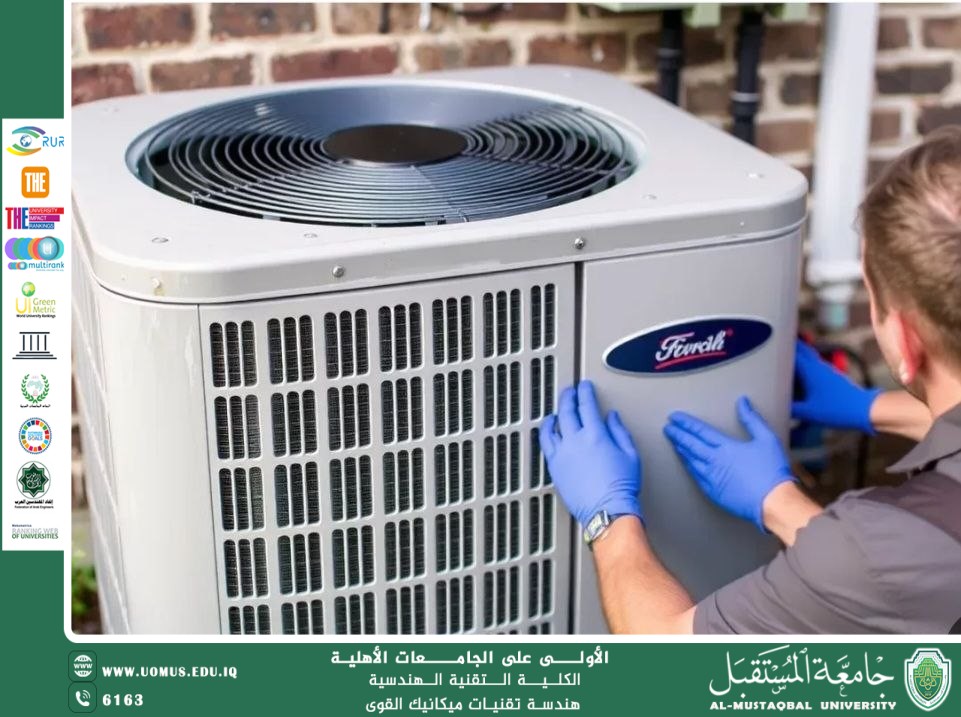
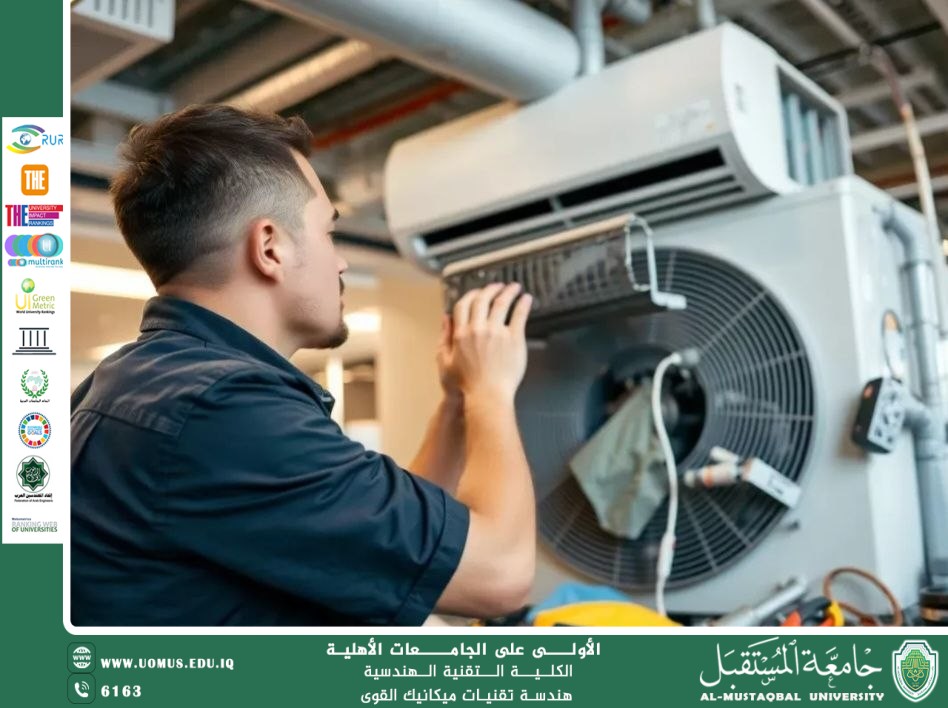
Routine maintenance ensures that air conditioning and refrigeration systems operate at optimal efficiency. The accumulation of dust and dirt on filters and heat exchangers reduces the system’s ability to transfer heat effectively, forcing it to run longer and work harder to achieve the desired cooling level. Therefore, cleaning these components regularly helps reduce the load on the compressor and lowers electricity consumption.
Second: Improving Operational Efficiency
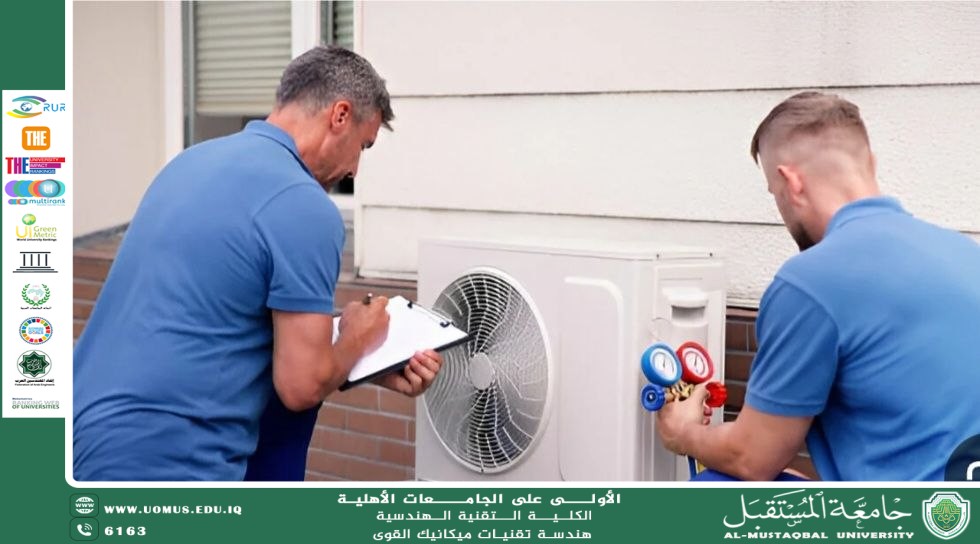
Maintenance procedures include checking refrigerant levels, detecting leaks, and inspecting fans and electrical components. Low refrigerant levels or faults in any component can significantly reduce system efficiency and increase energy consumption. In contrast, well-maintained systems operate under optimal design conditions, which can reduce energy consumption by up to 20–30%.
Third: Extending Equipment Lifespan
Maintenance not only reduces energy consumption but also extends the lifespan of the equipment. Neglect can lead to excessive stress on internal components, particularly the compressor, which is one of the most expensive parts of the system. Efficient operation minimizes wear and tear, reducing the need for costly repairs or replacements.
Fourth: Environmental Impact
Reducing energy consumption leads to lower demand for electricity generation, which often relies on fossil fuels. Consequently, maintaining air conditioning systems contributes indirectly to reducing carbon emissions and protecting the environment. Additionally, preventing refrigerant leaks helps preserve the ozone layer and mitigate global warming.
Fifth: Economic Aspects
From an economic perspective, maintenance is a low-cost investment compared to the savings achieved in electricity bills. Poorly maintained systems consume more energy, leading to higher operating costs over time. Therefore, implementing a regular maintenance schedule results in significant financial savings.
Conclusion
Maintenance of air conditioning and refrigeration systems is not merely a routine procedure but a key factor in enhancing energy efficiency and reducing electricity consumption. Through regular cleaning, component inspection, and early fault detection, better system performance can be achieved while lowering costs and supporting environmental sustainability. Hence, individuals and institutions are strongly encouraged to adopt regular maintenance plans to maximize the benefits of these essential systems.
Assistant Lecturer : Abrar Abdulkareem Saeed