A scientific article by Miss Noor Al-Huda Azmi Hassan titled: "Artificial Intelligence in Water Resource Management."
28/03/2026 Share :
The use of artificial intelligence (AI) in water management is considered one of the most important recent developments in environmental engineering. It helps improve water use efficiency, reduce waste, and predict problems before they occur, especially in light of climate change and increasing water demand.
Artificial intelligence is the ability of computer systems to analyze data and make intelligent decisions without direct human intervention. In the water sector, it is applied through:
Big data analysis
Machine learning
Smart sensors
Importance of Using Artificial Intelligence
Improving water distribution efficiency
Reducing losses and leakages
Predicting droughts and floods
Optimizing the operation of treatment plants
Supporting environmental sustainability
Applications of AI in Water Resource Management
Leak Detection in Networks
AI analyzes pressure and flow data
Detects leaks quickly
Significantly reduces water losses
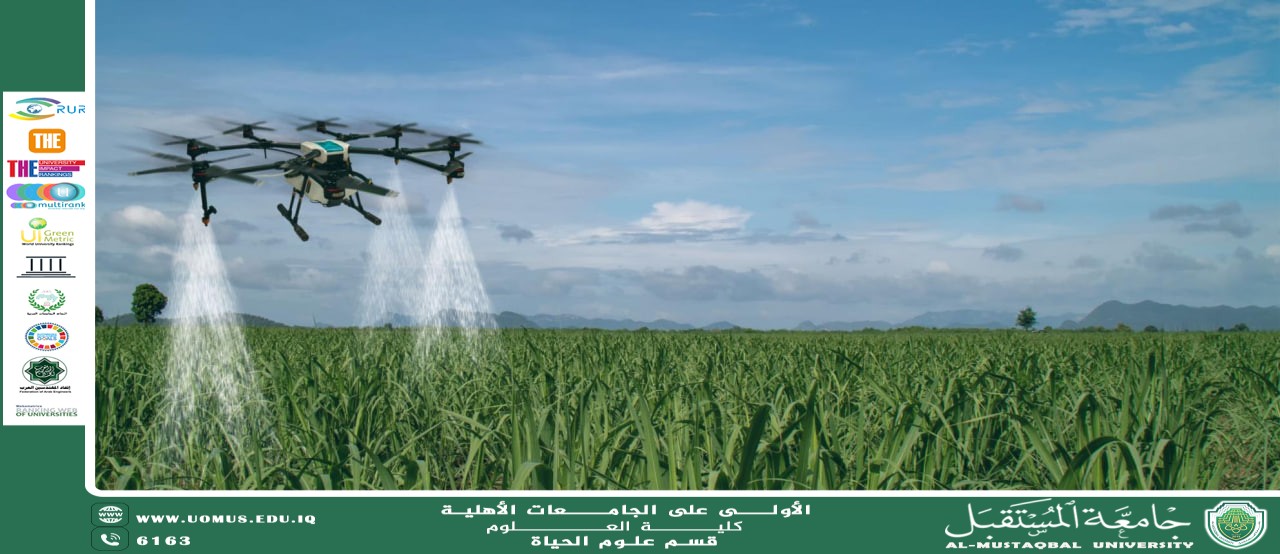
Smart Irrigation Management
Determines the appropriate water quantity for each crop
Uses weather and soil data
Reduces water consumption in agriculture
Flood and Drought Prediction
Analyzes rainfall and river data
Builds accurate predictive models
Supports governmental decision-making
Water Treatment Optimization
Automatic control of treatment processes
Improves water quality
Reduces energy and chemical consumption
Water Quality Monitoring
Measures indicators (pH, turbidity, pollutants)
Sends real-time data to monitoring systems
Detects pollution quickly
Technologies Used
Machine Learning
Internet of Things (IoT)
Remote Sensing
Cloud Computing
Advantages of AI in Water Management
Increases operational efficiency
Reduces long-term costs
Improves prediction accuracy
Supports decision-making
Conserves natural resources
Challenges
High initial costs
Need for advanced infrastructure
Cybersecurity concerns
Lack of specialized personnel
Future of AI in Water Management
The world is moving toward:
Smart cities relying on intelligent water systems
Integrating AI with renewable energy
Developing more accurate predictive systems
Integrated and sustainable water management
Artificial intelligence has become an essential tool in water resource management, contributing to sustainability, reducing waste, and improving water quality. With technological advancements, reliance on AI will increase, making it a cornerstone in addressing the global water crisis.
الهدف الرابع : التعليم الجيد