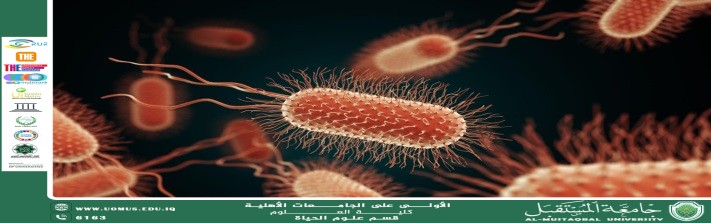

A scientific article by Lecturer (Assist. Prof.) Ali Kamit Hamad titled: The Role of Microorganisms in Human Health and Disease
28/03/2026 Share :
The Role of Microorganisms in Human Health and Disease Introduction Microorganisms play a crucial role in human life. They are microscopic entities that include bacteria, viruses, fungi, and parasites. Although they are often associated with diseases, many of them are essential for maintaining health and physiological balance. In fact, trillions of these organisms live within the human body as part of what is known as the human microbiome, which directly influences various functions such as digestion, immunity, and even mental health. Beneficial Microorganisms Beneficial microorganisms are essential for maintaining human health. Their main functions include:Aiding digestion ,Vitamin production ,Enhancing the immune system and Preventing pathogen growth. Common examples include Lactobacillus and Bifidobacterium. Pathogenic Microorganisms On the other hand, some microorganisms can cause disease when they enter the body or when the immune system is weakened. These include:Pathogenic bacteria,Viruses ,Fungi andParasites. These microorganisms can lead to diseases ranging from mild infections to severe and life-threatening conditions. Microbial Balance (Microbiome Balance) Maintaining health largely depends on the balance between beneficial and harmful microorganisms in the body. When this balance is disrupted—a condition known as dysbiosis—it may result in: Gastrointestinal disorders ,Weakened immune response ,Increased risk of chronic diseases. Common causes of dysbiosis include excessive use of antibiotics, poor diet, and stress. Antibiotics and Modern Challenges Antibiotics are used to treat bacterial infections; however, they may also affect beneficial bacteria, leading to microbial imbalance. One of the most serious modern challenges is: Antibiotic resistance: where bacteria develop the ability to resist drugs, such as Acinetobacter baumannii. Hospital-acquired infections: particularly in clinical settings. Conclusion:Microorganisms play a dual role in human life: they can be beneficial allies that support health or harmful agents that cause disease. Understanding this balance is essential for developing effective prevention and treatment strategies, especially in light of increasing challenges such as antibiotic resistance. Maintaining a healthy lifestyle and using medications responsibly are key factors in preserving this vital balance
الهدف الرابع : التعليم الجيد