Seasonal Allergies: When Spring Becomes a Health Challenge
29/03/2026 Share :
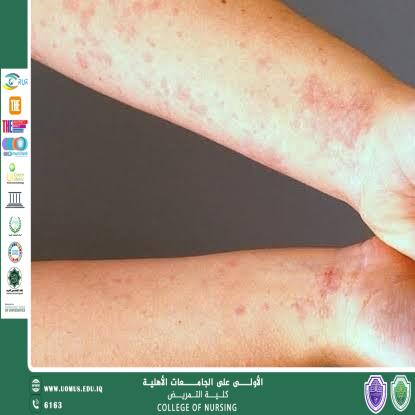
With seasonal changes, particularly during spring and autumn, millions of people worldwide experience uncomfortable symptoms known as seasonal allergies, medically referred to as allergic rhinitis. Although generally not life-threatening, seasonal allergies can significantly affect quality of life and daily productivity.
What Are Seasonal Allergies?
Seasonal allergies occur when the immune system overreacts to normally harmless substances such as pollen, dust, mold spores, or animal dander. Upon exposure, the body releases histamine, a chemical responsible for triggering allergic symptoms.
Common Symptoms
Typical symptoms include:
1. Frequent sneezing
2. Runny or blocked nose
3. Itchy eyes, nose, and throat
4. Watery and red eyes
5. Fatigue and reduced concentration
Unlike common colds, seasonal allergies usually do not involve fever.
Why Do They Occur Seasonally?
Allergy symptoms increase during periods of high pollen production from trees, grasses, and weeds. Climate change and air pollution are also believed to intensify allergic reactions and extend allergy seasons.
Health and Social Impact
Research suggests that seasonal allergies may disrupt sleep patterns, reduce academic and work performance, and worsen asthma symptoms in susceptible individuals.
Prevention and Treatment
Health experts recommend several preventive measures:
1. Limiting outdoor exposure during peak pollen times
2. Keeping windows closed on windy days
3. Washing face and clothes after outdoor activities
4. Using antihistamines or nasal sprays under medical supervision
الهدف الثالث من اهداف التنمية المستدامة -الصحة الجيدة والرفاه