
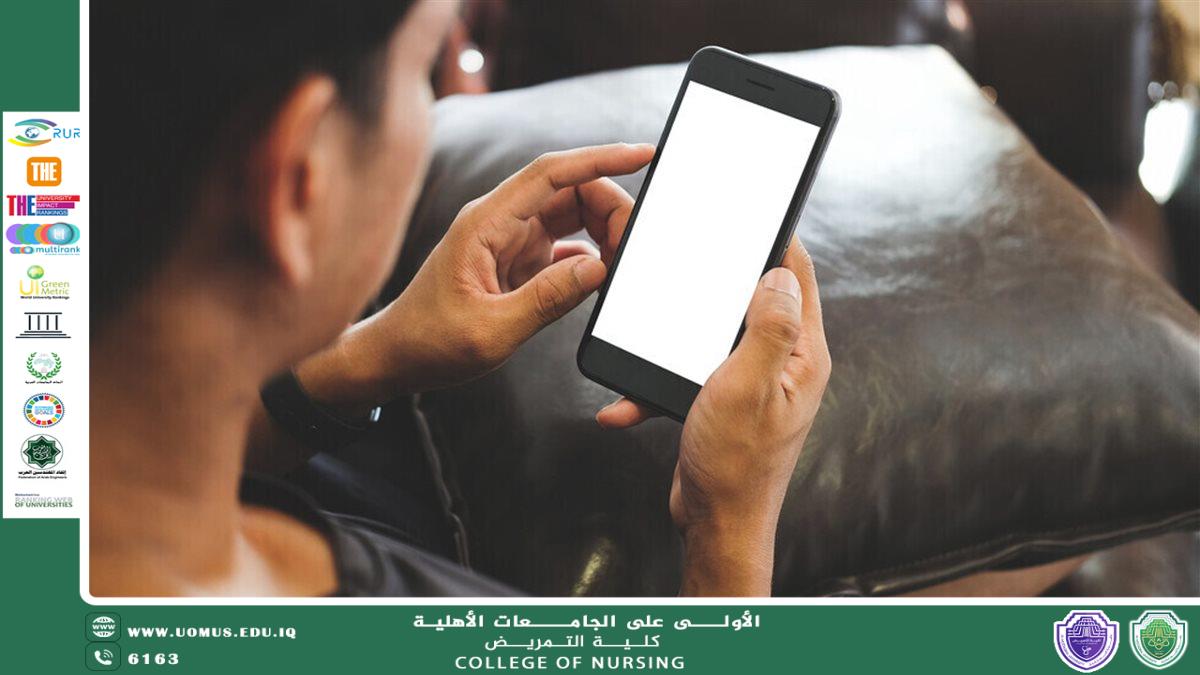
Digital Burnout: How "Constant Notifications" Trigger Chronic Anxiety
29/03/2026 Share :
In the last decade, the mobile phone has transitioned from a mere communication tool into a "prosthetic limb" of the human body. With every ringtone or vibration, the brain responds to an incessant digital summons, creating a modern phenomenon known as "Digital Burnout," which keeps the nervous system in a state of perpetual hyper-arousal.
The Biology of Notification: A Misplaced "Fight or Flight" Response:
When you hear a notification, the brain releases small amounts of cortisol (the stress hormone) and adrenaline. Biologically, these hormones were designed to help humans confront physical threats. However, in the digital age, the recurrence of these alerts dozens of times a day misleads the brain into perceiving a constant state of danger, leading to:
• Increased heart rate.
• Minor muscular tension.
• A state of "Hyper-vigilance" that precludes relaxation.
The Dopamine Trap and Anxious Anticipation:
Notifications are deeply linked to the brain's reward system. We check our phones because we anticipate a "reward" (a like, news update, or social interaction). This anticipation triggers dopamine release; however, when notifications are absent, users may experience "separation anxiety" or "Phantom Vibration Syndrome," where one perceives the phone vibrating even when it is completely still.
Fragmentation of Attention and Impaired Focus:
Continuous interruptions caused by alerts lead to what psychologists call "Switching Cost." The brain requires an average of 23 minutes to return to a state of deep focus after a single interruption. This persistent distraction diminishes efficiency, fostering feelings of inadequacy and failure, which ultimately culminates in "Achievement Anxiety."
Impact on Sleep and Psychological Health:
Late-night notifications do more than just disrupt sleep; they prevent the brain from entering the "Deep Sleep" stages essential for neural restoration. Chronic sleep deprivation associated with digital over-usage serves as a catalyst for depression and Generalised Anxiety Disorder (GAD).
How to Restore Balance: Practical Steps:
To overcome chronic anxiety resulting from digital burnout, experts recommend adopting "Digital Hygiene" strategies:
• Notification Filtering: Disable all non-essential alerts (such as social media notifications) and retain only critical direct communications.
• Implementation of "Tech-Free Zones": Designating specific areas (like the bedroom) and times (like during meals) where phone usage is strictly prohibited.
• Batching Tasks: Allocating specific windows throughout the day to respond to messages and emails rather than responding instantaneously.
• Activating "Focus Mode": Utilizing technical features that block notifications during work or study hours.