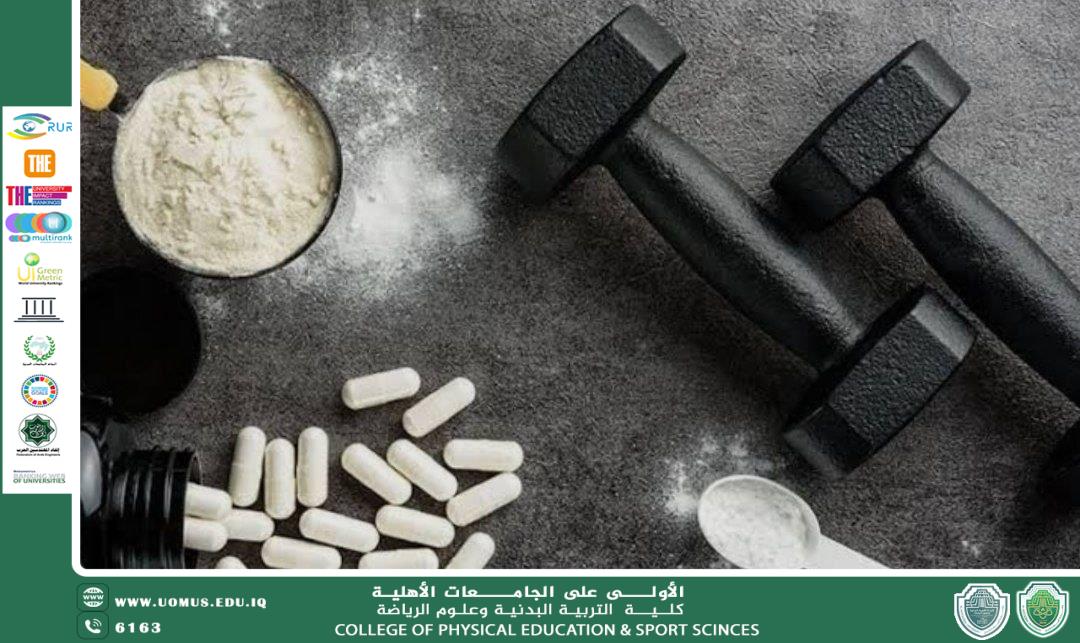

The Role of Dietary Supplements in Enhancing Physiological Function in Athletes
28/03/2026 Share :
Dietary supplements have become increasingly popular among athletes seeking to improve physiological function and overall performance. These supplements—including proteins, micronutrients, creatine, and ergogenic aids—are often used to support energy metabolism, muscle adaptation, endurance, and recovery. While proper nutrition remains the foundation of athletic performance, supplements are frequently incorporated to address specific needs that may not be met through diet alone. However, the effectiveness of these supplements varies by type, athlete condition, and use context, highlighting the need for evidence‑based understanding of their impact on physiological performance in sport.
Explanation of the topic
1. Concept and Use of Dietary Supplements
Dietary supplements refer to products taken orally that contain vitamins, minerals, amino acids, or other nutrients intended to supplement an athlete’s diet. These products are designed to help athletes meet increased demands due to intense training, recovery, and adaptation to physiological stressors. Common supplements include micronutrients (iron, vitamin D, calcium), protein powders, creatine, and ergogenic aids such as beta‑alanine and caffeine. Their use is widespread in both recreational and elite sport communities.
2. Effects on Physiological Function
Research indicates that supplementation can influence various physiological parameters:
Micronutrient Supplementation: Athletes commonly use vitamins and minerals to correct deficiencies and support immune function, recovery, and energy metabolism. However, evidence suggests that supplementation in well‑nourished athletes without deficiencies may not significantly enhance performance and, in some cases, may interfere with normal physiological adaptation to training stress.
Ergogenic Aids: Supplements such as caffeine and beta‑alanine have shown beneficial effects in specific performance outcomes like power output and endurance in multiple studies. A comprehensive review found that different supplements yield sport‑specific benefits depending on dose, timing, and type of exercise.
Functional Supplements and Training Adaptation: Other studies have reported that functional supplements accompanying aerobic or strength training improved components of muscle function and performance measures in athletes, suggesting that tailored supplement use can support physiological adaptations when aligned with training goals.
3. Limitations and Risks
Despite potential benefits, there are limitations and concerns:
Excessive supplementation or use without clear deficiency has little evidence for improved physiological performance and may disrupt body homeostasis.
Reliability and safety of products vary, and some may contain undeclared substances that could affect health or violate anti‑doping regulations in competitive sports. (Related reports emphasize caution, though not from scientific journals).
Optimal benefit typically requires professional guidance to avoid unnecessary or counterproductive intake.
The end
Dietary supplements play a nuanced role in athletes’ physiological function and performance. While certain supplements—such as specific micronutrients and ergogenic aids—can provide measurable enhancements in performance or aid recovery when deficiencies exist or when used appropriately, supplementation should not replace a balanced diet. Evidence suggests that indiscriminate use in well‑nourished athletes yields limited benefits and may even hinder physiological adaptations. Therefore, supplement strategies should be individualized, evidence‑based, and ideally guided by nutrition and medical professionals.