
Innovative Renewable Energy Solutions: A Path Toward Climate Resilience
29/03/2026 Share :
As of 2026, the global shift toward sustainable energy has transitioned from a gradual change to an urgent technological revolution. To combat climate change effectively, innovation is focusing on high efficiency, scalable storage, and carbon-neutral fuels.
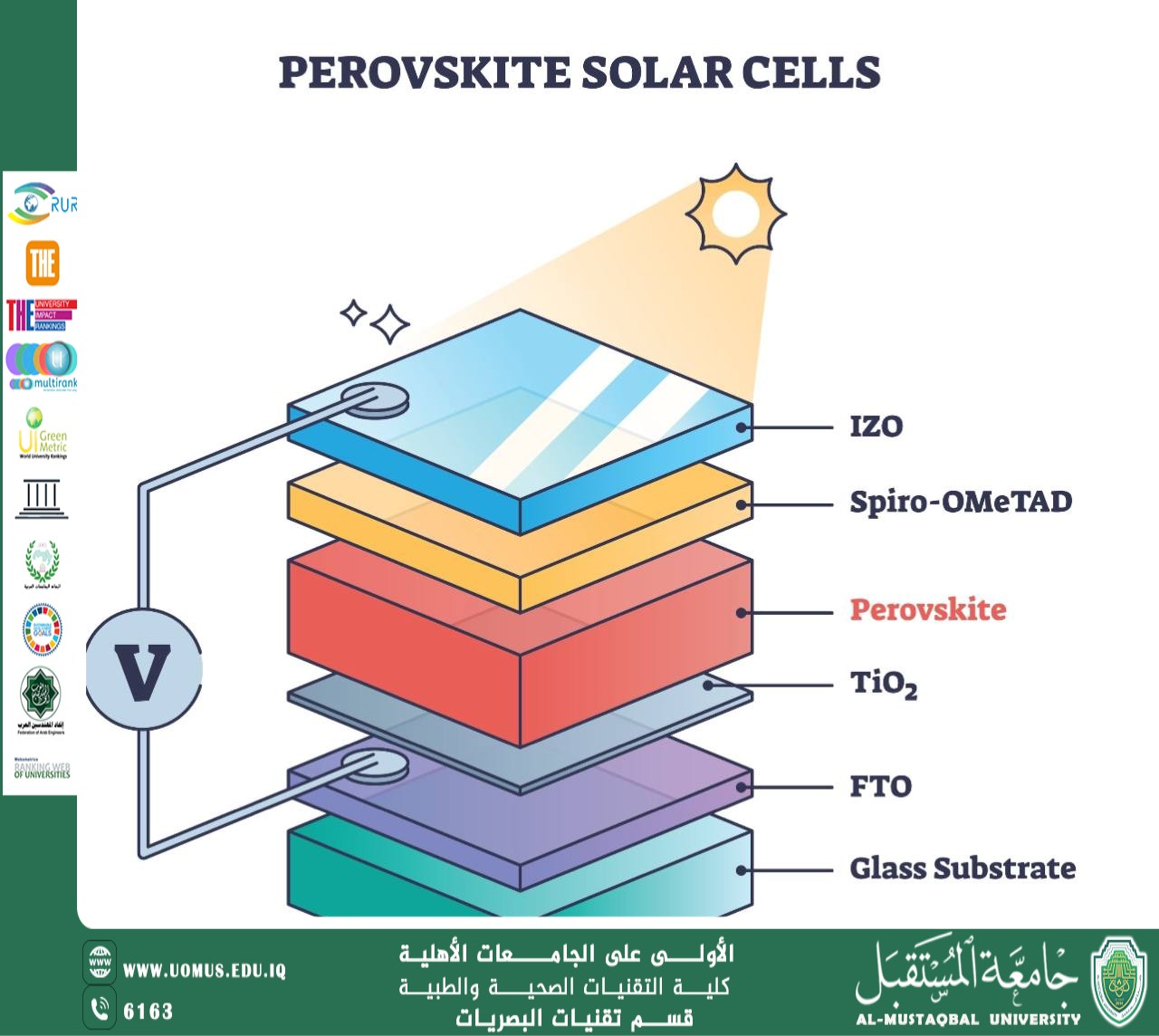
1. Next-Generation Solar: Perovskite Cells
Traditional silicon panels are being challenged by Perovskite Solar Cells (PSCs). These thin-film cells are lighter, more flexible, and can be manufactured at a lower cost.
* The Breakthrough: Their ability to achieve higher efficiency in low-light conditions and their potential to be integrated into windows and curved surfaces (Building-Integrated Photovoltaics).
2. Green Hydrogen: The Clean Molecule
Green hydrogen is produced through electrolysis powered by renewable energy, splitting water into hydrogen and oxygen without any carbon byproduct.
* The Impact: It serves as a vital solution for "hard-to-abate" sectors like heavy shipping, aviation, and steel manufacturing, where electrification via batteries is currently impractical.
3. Floating Offshore Wind (FOW)
Moving beyond the coastline, floating turbines are being deployed in deep oceanic waters where winds are stronger and more consistent.
* The Advantage: These platforms minimize the visual and environmental impact on coastal ecosystems while tapping into vast, untapped energy reservoirs in the open sea.
4. Advanced Energy Storage: Beyond Lithium
Intermittency (the sun not always shining) remains a challenge. New solutions include:
* Sand Batteries: Storing energy as high-temperature heat in insulated sand silos for industrial use or district heating.
* Solid-State Batteries: Offering higher energy density and improved safety compared to traditional lithium-ion batteries, crucial for the next generation of electric transport.
Why Innovation Matters for the Environment
* Decarbonization: Rapidly lowering CO_2 levels to meet the "Net Zero" targets.
* Circular Economy: Using abundant materials (like sand and salt) reduces the environmental footprint of mining rare earth metals.
* Resilience: Creating decentralized energy grids that can withstand extreme weather events.
Would you like me to expand on one of these technologies for a research paper,
Tamara nuhad abass
University of Al-Mustaqbal – The First and Leading Private University