Article Title: Art as a Universal Language for Intercultural Communication By: Lecturer Ms. Suhaila Kazim Jassim
29/03/2026 Share :
Art is considered one of the oldest means of expression used by humans to communicate with others. Since ancient times, people have expressed their thoughts and feelings through drawings, engravings, music, and various artistic works. Therefore, it is said that art is a universal language understood by all people, regardless of their different languages and cultures.
Art contributes to building bridges of communication between nations, as it reflects a society's culture, history, and values. When an individual views an artwork from another culture, they gain insight into that society's customs, traditions, and way of thinking. In this way, art becomes a medium for acquaintance and understanding between diverse cultures.
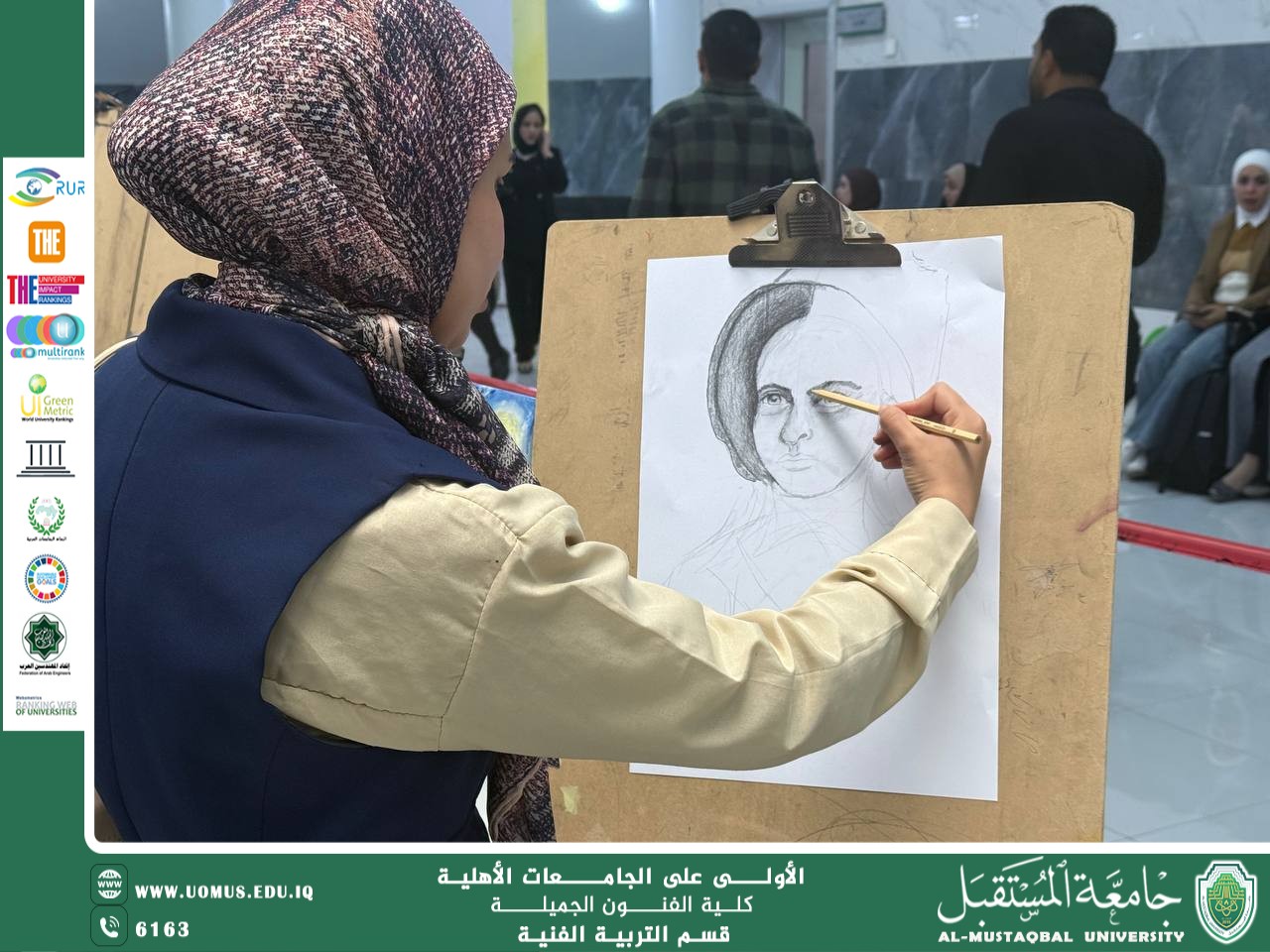
Furthermore, art helps spread the values of tolerance and mutual respect among peoples. It brings people together around beauty and creativity, leading them to appreciate the world's cultural diversity. Through art exhibitions, festivals, and cultural activities, artists are able to showcase their work and connect with fellow artists and audiences from different countries and backgrounds.
In addition, art provides individuals with the opportunity to express their feelings and ideas in a creative manner that transcends linguistic boundaries. A single image, painting, or musical piece can convey a message or an emotion understood by people across the globe without the need for words.
In conclusion, it can be said that art represents an effective tool for intercultural communication; it fosters understanding between nations and contributes to spreading beauty and creativity worldwide. Therefore, it is essential to prioritize and encourage the arts, given their significant role in strengthening human relations and building a global community based on respect and cooperation...Almustaqbal University, The First University in Iraq.