The Biomedical Engineering Department completes an educational model to simulate the human circulatory system
29/03/2026 Share :
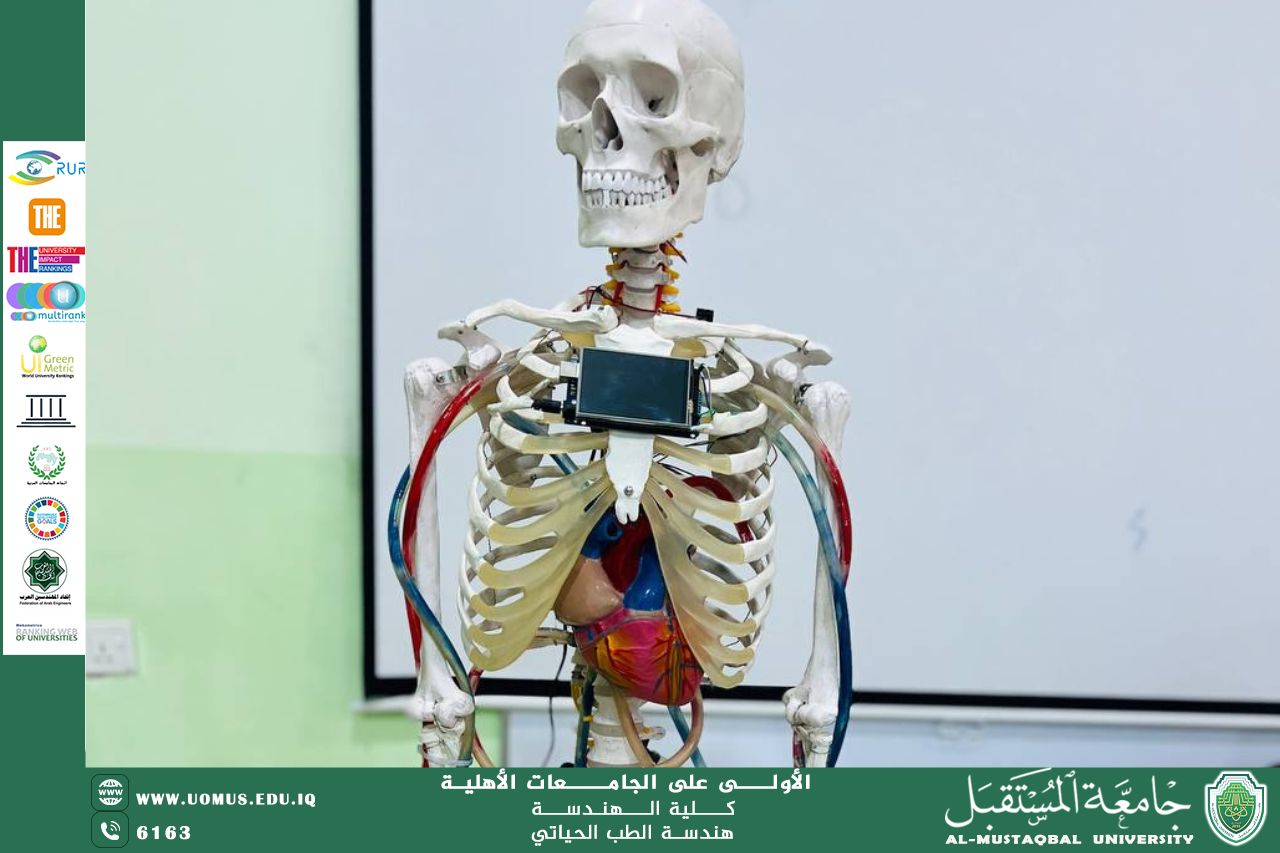
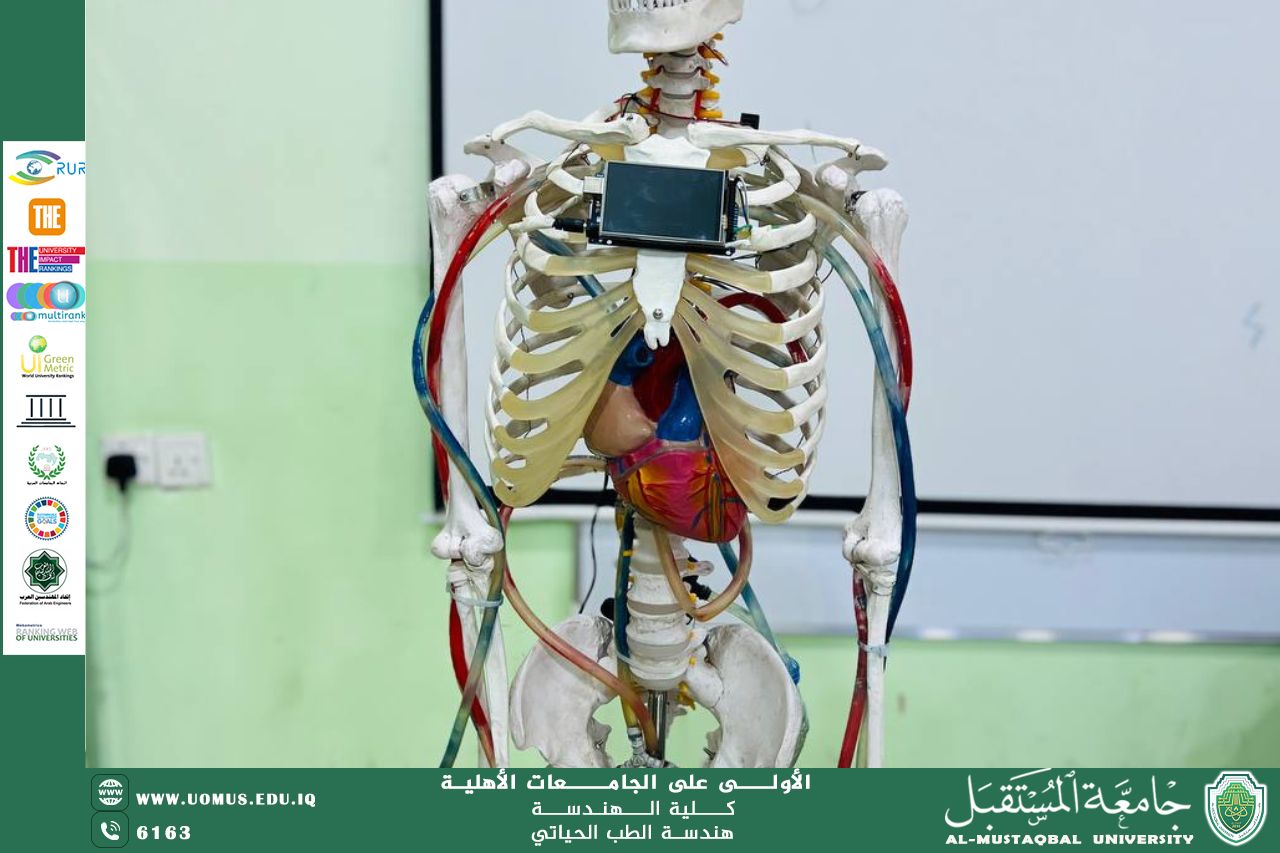
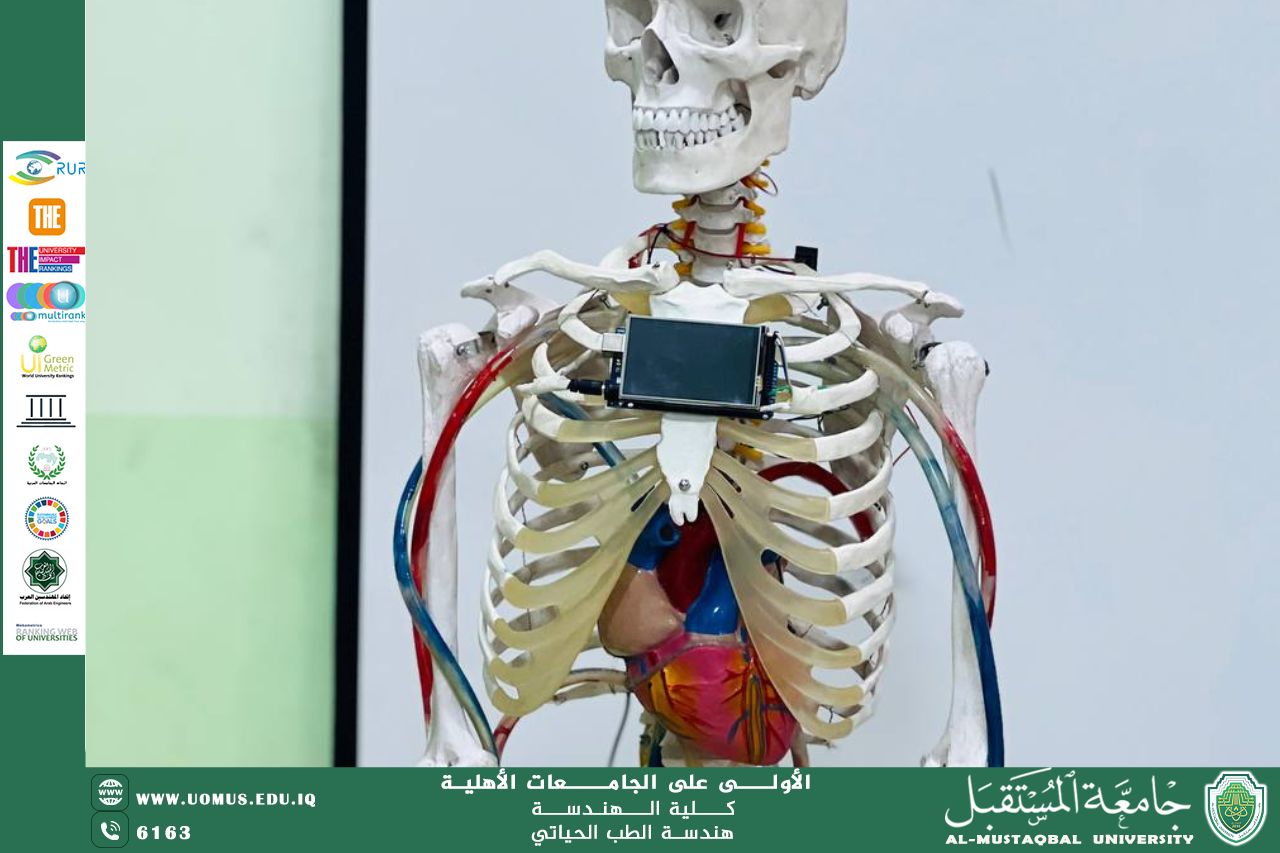
Under the supervision of engineering staff, the Biomedical Engineering Department completes an educational model simulating the human circulatory system.
As part of the Biomedical Engineering Department at Future University's efforts to develop educational tools and bridge the gap between theory and practice, a student team, under the direct supervision of Dr. Amir Najah Saud and Engineer Muhammad Abdul Karim, completed an advanced educational engineering project aimed at simulating the circulatory system in the human body.
About the project:
The project aims to design a comprehensive educational model that facilitates students' and researchers' understanding of the complex mechanisms of the heart and blood vessels. The model's design is based on a skeleton as the basic framework, with a network of microscopic tubes representing arteries and veins.
Methodology:
The methodology is based on integrating engineering and medical principles, including:
• Using pumps that mimic the heartbeat to ensure fluid flow.
• Using colored fluids to distinguish blood pathways and illustrate how blood circulates within the body.
• Accurately distributing the tubes to reflect the true anatomical distribution of blood vessels. The results demonstrated the model's success in clearly illustrating the smooth flow of "virtual blood," making it an effective teaching tool for simplifying physiological and engineering concepts related to the circulatory system. This achievement enhances the quality of the department's educational outcomes and provides an interactive teaching aid for students at various levels.
Al-Mustaqbal University is ranked first among private universities in Iraq.