Using Arduino technology, biomedical engineering students create an educational system to simulate X-ray imaging
29/03/2026 Share :
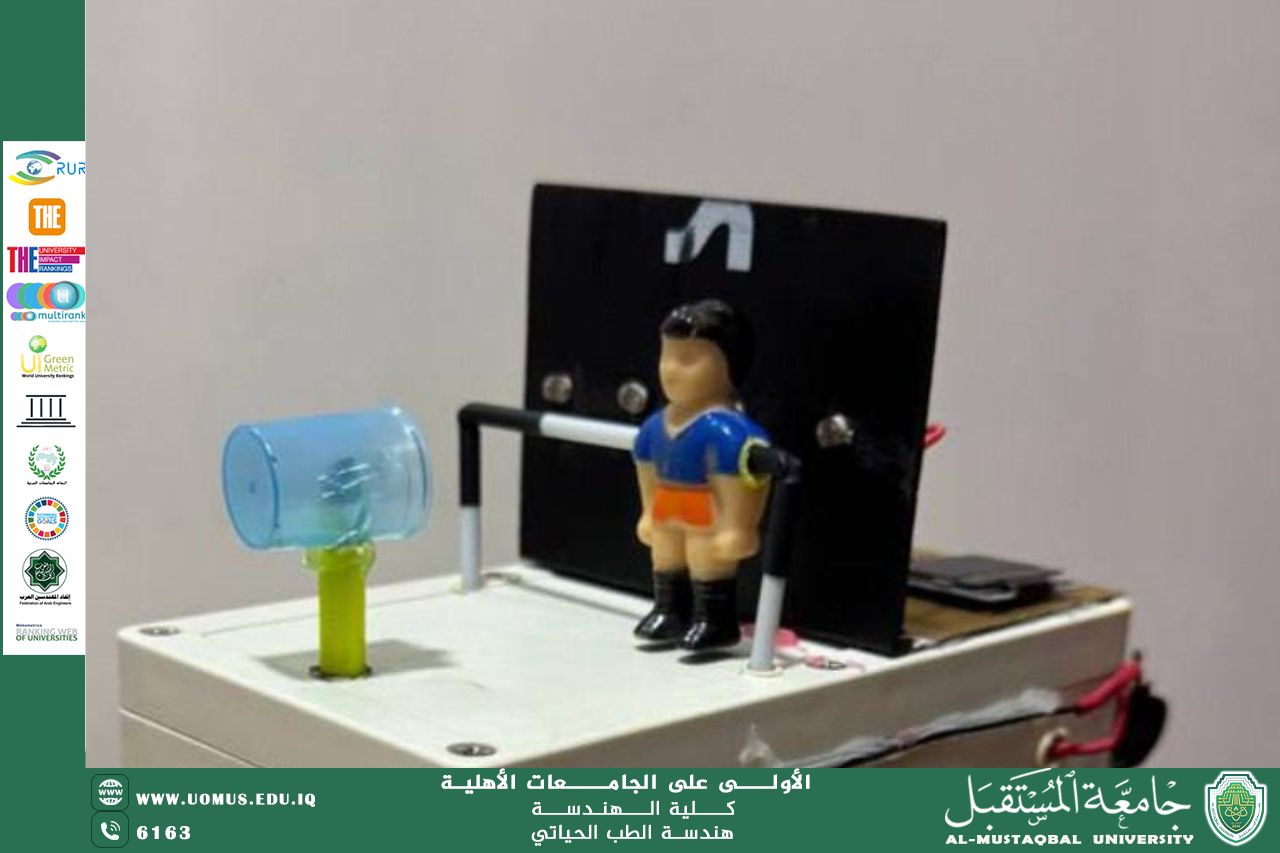
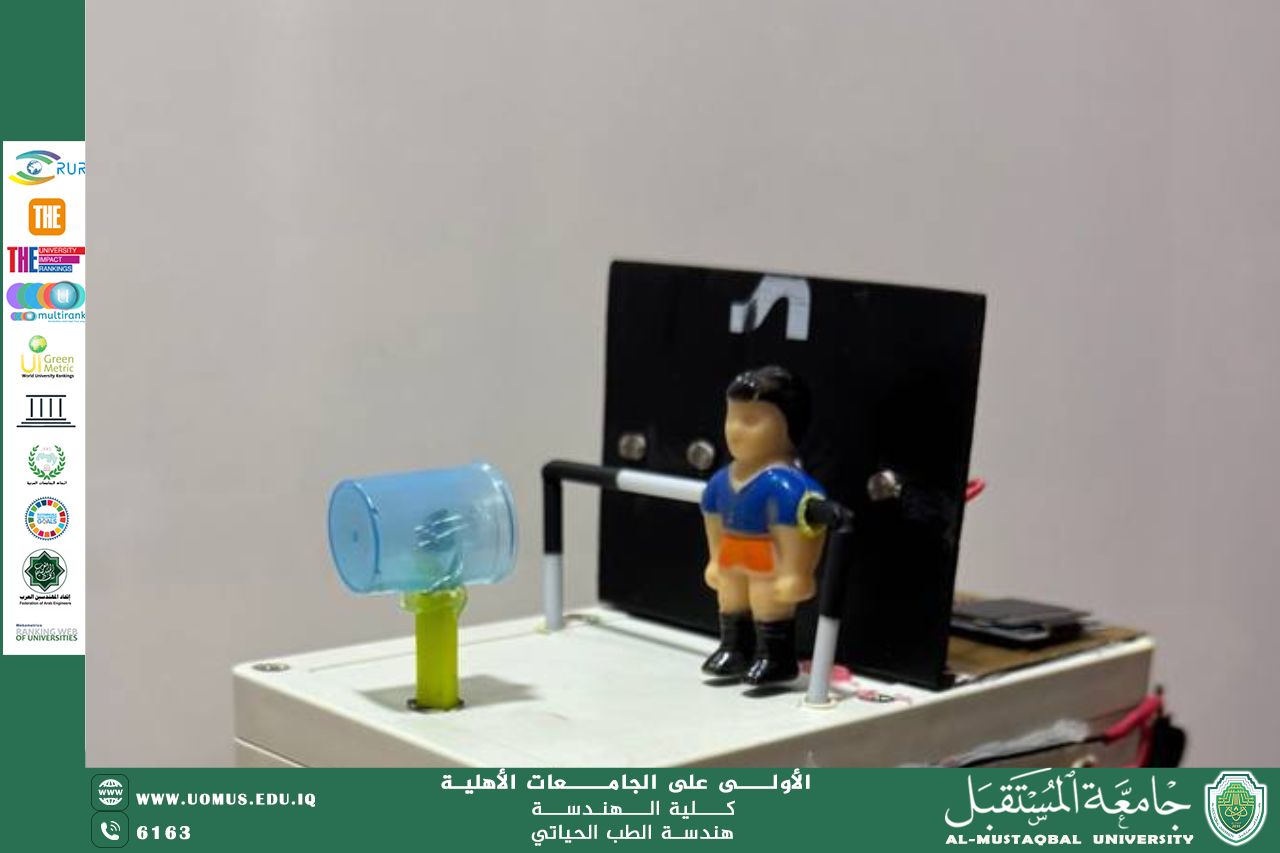
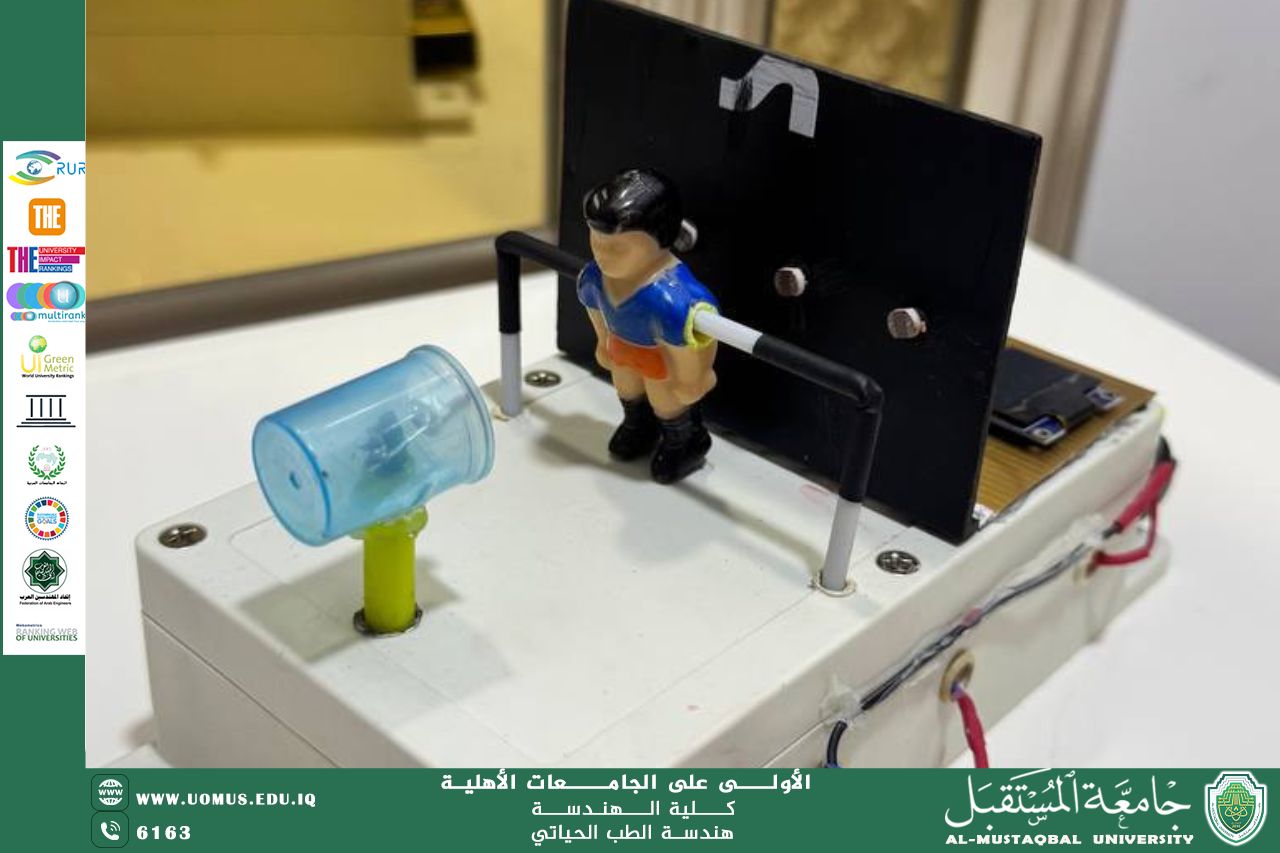
Embodying the motto "Education for Sustainable Development," a research team of students from the Biomedical Engineering Department at Al-Mustaqbal University successfully designed and implemented an innovative model that simulates the operating principles of an X-ray imaging system.
The project was supervised by Assistant Lecturer Hiba Dhiaa Abdul-Amir.
The project, completed by students Ali Wissam Saeed, Karrar Haider Mahmoud, Zaid Ali Hamza, Sajjad, and Ibrahim, aims to build a safe and low-cost educational simulation system. The model simplifies the principles of X-ray image formation for students without requiring exposure to actual radiation, making it an ideal educational tool for academic laboratories.
Implementation and Technical Methodology:
The project relied on integrating electronic systems with software through:
• Using the Arduino platform as the system's control center.
• Employing light sensors and light sources to simulate the penetration of radiation into objects.
• Processing data and converting variations in light intensity passing through different materials into virtual images that simulate X-ray images, based on the density of the material being viewed. Results and Relationship to Sustainable Development:
The model demonstrated high efficiency in clearly displaying contrast between different objects, confirming its success as a safe educational model. This project aligns with the Sustainable Development Goals (SDGs), specifically:
• Goal 3 (Good Health and Well-being): through a deeper understanding of diagnostic technologies.
• Goal 4 (Quality Education): by providing innovative and practical educational tools.
• Goal 9 (Industry, Innovation, and Infrastructure): by using available software and engineering technologies to create educational solutions.
Al-Mustaqbal University is ranked first among private universities in Iraq.