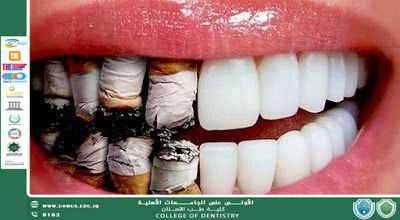

The Impact of Smoking on Oral Health
30/03/2026 Share :
Smoking should not be viewed solely as a habit affecting the respiratory system; it is a multifaceted risk factor that significantly impacts oral health. The oral cavity serves as the primary entry point for tobacco substances, exposing oral tissues continuously to harmful chemicals that alter both structure and function.
The effects of smoking often begin with seemingly minor changes, such as tooth discoloration and persistent bad breath. However, these signs reflect deeper alterations in the oral environment. Tobacco compounds disrupt the natural balance of oral microbiota, promoting the growth of pathogenic bacteria associated with periodontal disease.
One of the most significant clinical effects of smoking is the reduction of blood flow to the gingival tissues due to vasoconstriction. This diminished circulation weakens the immune response and compromises the tissue’s ability to heal. Interestingly, it may also mask common signs of inflammation, such as bleeding, creating a misleading impression of oral health while disease progression continues unnoticed.
Smoking is strongly associated with increased severity and progression of periodontal disease. It contributes to the destruction of supporting structures, including the alveolar bone, significantly increasing the risk of tooth loss over time. Furthermore, smoking negatively affects the outcomes of dental treatments, particularly surgical procedures and dental implants, by impairing healing and reducing success rates.
Beyond these effects, smoking is a major risk factor for oral cancer, a serious condition that may go undetected without regular screening. It also diminishes taste perception, reducing the ability to fully experience flavors and impacting overall quality of life.
Ultimately, quitting smoking is not only a decision to improve general health but a critical step in restoring oral balance, enhancing tissue healing, and improving treatment outcomes. The earlier this decision is made, the greater the potential for prevention and long-term oral health stability.