Electronic Microchip Implantation: Scientific Prospects and Advanced Medical Applications
30/03/2026 Share :
Introduction
In recent decades, the world has witnessed tremendous advances in biotechnology, leading to innovative technologies that blend humans and machines. One of the most prominent of these technologies is the implantation of electronic microchips inside the human body. This represents a significant step toward enhancing health, functional abilities, and even sensory capabilities.
Concept of the Implanted Electronic Microchip
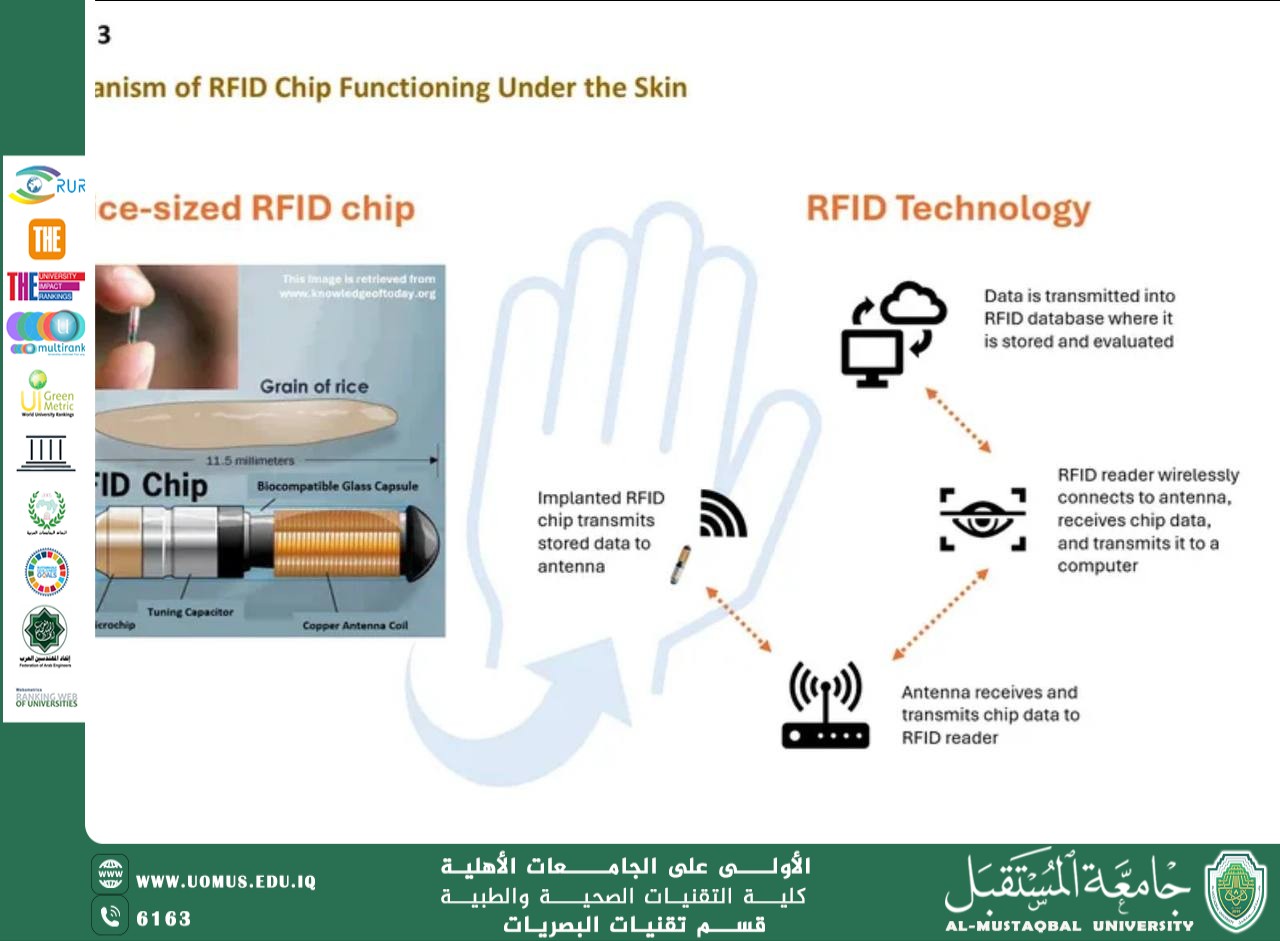
An electronic microchip is a very small device (often the size of a grain of rice) implanted inside the human body. It contains tiny electronic circuits capable of storing data or sending and receiving signals. These chips are usually implanted under the skin or in specific areas of the body depending on the medical or technical purpose.
Mechanism of Operation
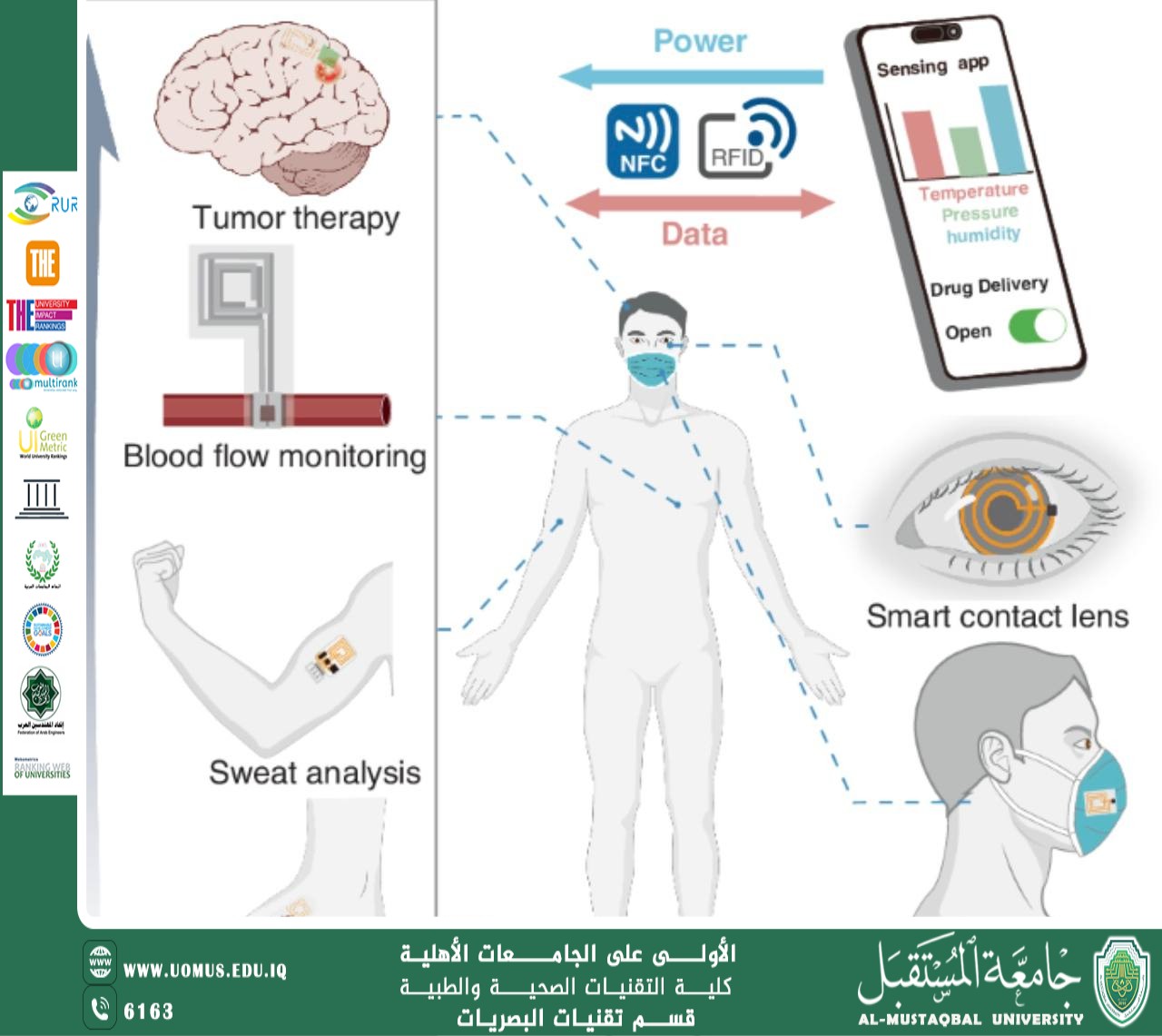
Electronic microchips rely on technologies such as:
Near Field Communication (NFC): for wireless data transfer when close to a reader device.
Radio Frequency Identification (RFID): for identification or information tracking.
Neural Stimulation: in medical applications, where electrical signals are sent to stimulate nerves or muscles.
The chip functions by receiving commands or transmitting data to external devices such as smartphones or computers.
Types of Implanted Electronic Microchips
Therapeutic Medical Chips
Used to treat conditions such as:
Movement disorders (e.g., Parkinson’s disease)
Hearing loss (cochlear implants)
Heart rhythm disorders (pacemakers)
Identification and Security Chips
Used to store personal information, unlock doors, or record attendance.
Human Enhancement Chips
Still under research, aiming to improve memory, cognition, or direct interaction with devices.
Medical Applications
Deep brain stimulation for neurological disorders.
Monitoring vital indicators such as blood glucose or blood pressure.
Restoring senses such as hearing and vision through advanced electronic devices.
Advantages
Improving patients’ quality of life.
Reducing the need for external devices.
High accuracy in monitoring and diagnosis.
Potential integration with artificial intelligence technologies.
Challenges and Risks
Privacy and security concerns, including potential data breaches.
Medical risks such as infections or body rejection of the chip.
Ethical issues related to human freedom and limits of technology use.
High cost of some advanced applications.
Future Prospects
Researchers are moving toward developing smaller and smarter chips capable of interacting more precisely with the nervous system. There is also ongoing work to integrate these chips with artificial intelligence to analyze health data in real time, potentially revolutionizing personalized medicine.
Prepared by: Haneen Haider Hussein
University of Al-Mustaqbal – The First and Leading Private University