Rainwater Harvesting as a Solution to Water Scarcity in Summer Artical by Dr. Anees Ali
29/03/2026 Share :
Introduction
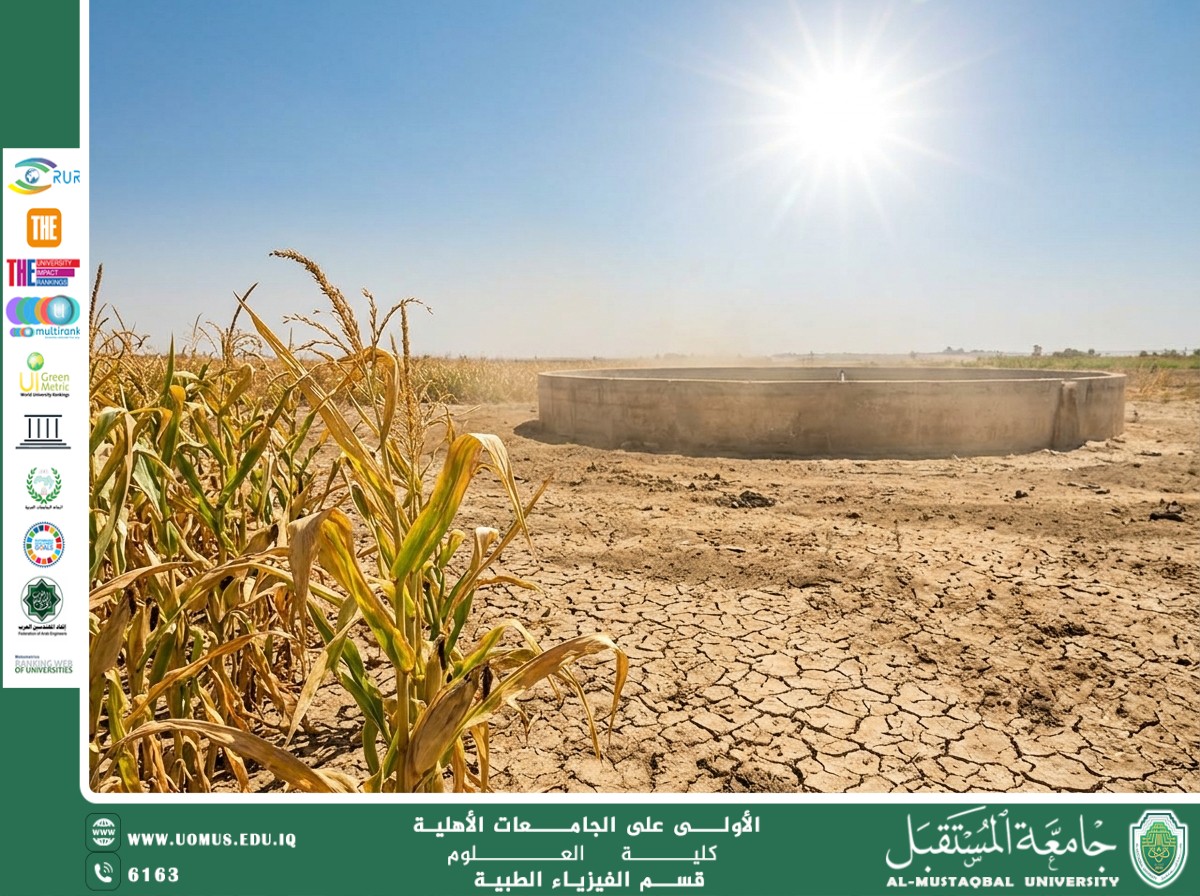
Many regions around the world, especially arid and semi-arid areas, suffer from water shortages during summer due to high temperatures and increased demand. Rainwater harvesting (RWH) has emerged as a sustainable and efficient solution to address this issue.
Agriculture alone consumes up to 60–90% of global water resources, highlighting the urgency of alternative water sources .
Rainwater Harvesting
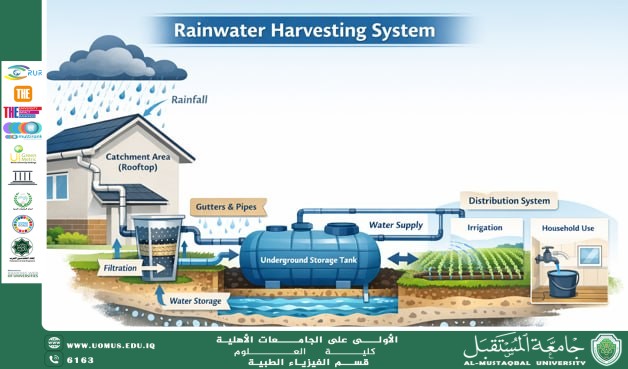
Rainwater harvesting refers to the collection and storage of rainwater for later use in agriculture, domestic, or industrial applications.
Types of Rainwater Harvesting Systems
Common systems include:
Rooftop collection systems
Storage tanks (underground or elevated)
Small dams and ponds
Groundwater recharge systems
Importance in Summer Water Management
Reducing water scarcity
Stored rainwater provides a reliable supply during dry seasons.
Supporting agriculture
Supplemental irrigation improves crop yields and resilience .
Groundwater recharge
Enhances aquifer sustainability.
Reducing pressure on conventional sources
Helps conserve rivers and groundwater reserves.
Role in Sustainable Development
Rainwater harvesting contributes to several Sustainable Development Goals (SDGs), including:
Clean Water and Sanitation
Zero Hunger
Climate Action
It enhances both water security and food security, particularly in water-scarce regions .
Challenges
Initial infrastructure cost
Water contamination risks
Lack of awareness
AL_mustaqbal University is the first university in Iraq.