Criminal Protection of the Environment Artical By Msc. Sukaena Taleeb
28/03/2026 Share :
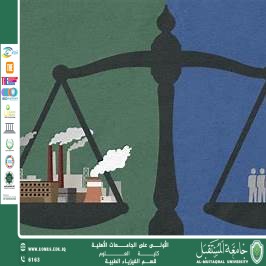
Criminal protection of the environment is one of the most important legal tools for safeguarding natural resources and protecting people from pollution and environmental destruction. It means that criminal law steps in to prohibit acts that harm air, water, soil, wildlife, and ecosystems, and to impose penalties such as fines, imprisonment, or confiscation depending on the seriousness of the offense. International bodies such as the United Nations Office on Drugs and Crime describe crimes affecting the environment as serious offenses that can also be linked to organized criminal activity because of their broad impact on health, economies, and security.
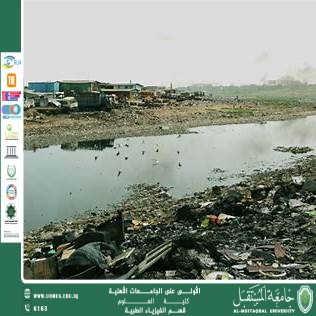
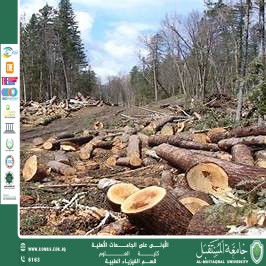
The importance of this protection lies in the fact that the environment is not merely a natural backdrop for human life; it is a basic condition for survival, health, and development. When rivers are polluted, hazardous waste is dumped, forests are illegally cut down, or protected species are trafficked, the damage goes far beyond nature itself. It reaches society through disease, biodiversity loss, food insecurity, and obstacles to sustainable development. UN sources also note that these crimes contribute directly to the triple planetary crisis of pollution, biodiversity loss, and climate change.
Common forms of environmental crime include unlawful pollution or degradation of natural resources, illegal movement or dumping of waste, trafficking in protected wildlife and plants, and illegal exploitation of natural resources such as logging, fishing, and mining without lawful authorization. These crimes are especially dangerous because they can generate large profits while remaining relatively low-risk where laws are weak or enforcement is limited, which is why strong criminal legislation and enforcement are essential.
For that reason, criminal protection of the environment is not limited to legal texts alone. It requires an integrated system that includes monitoring, specialized investigation, scientific expertise, prosecution, and effective judicial action. It also depends on public awareness, since reporting environmental violations and respecting environmental rules help prevent harm before it becomes a crime. International cooperation is equally important because many environmental crimes cross borders, including waste trafficking, wildlife trafficking, and illegal exploitation of natural resources.
In conclusion, criminal protection of the environment is a legal shield for both the present and the future. The clearer the laws, the more proportionate the penalties, and the stronger the enforcement, the better society can protect its natural wealth and the right of individuals to live in a safe and healthy environment. Environmental protection is therefore not a secondary issue, but a legal, ethical, and civilizational responsibility shared by the state and society alike.
AL_mustaqbal University is the first university in Iraq.