
A scientific article titled "Dialysis Machines: Technology and Types" prepared by Dr. Taqa Hazem Abdullah
31/03/2026 Share :
Dialysis machines serve as a "life support" system for individuals with end-stage renal disease (ESRD). They act as an artificial kidney, filtering waste products and excess fluids from the blood when the natural kidneys can no longer perform these vital functions.
Primary Types of Dialysis:
Hemodialysis (HD) Machines:
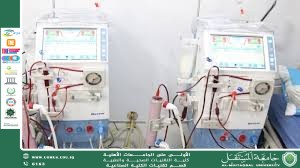
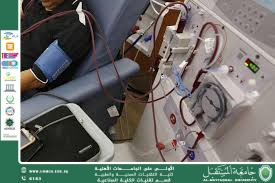
This is the most common form. The machine pumps the patient's blood through an external filter called a dialyzer. Inside the dialyzer, a solution known as dialysate removes toxins and balances electrolytes before the clean blood is returned to the body. This process is typically performed in a clinic three times a week.
Peritoneal Dialysis (PD):
Unlike HD, this method uses the lining of the patient's abdomen (the peritoneum) as a natural filter. A cleansing fluid is introduced into the abdominal cavity via a catheter. After a few hours, the fluid, now containing waste, is drained. This can be done manually or via an Automated Cycler while the patient sleeps.
Continuous Renal Replacement Therapy (CRRT):
Reserved for critically ill patients in ICU settings, these machines operate 24/7. They provide a slower, gentler filtration process for patients whose blood pressure is too unstable for standard hemodialysis
Al-Mustaqbal University the first in Iraq