The Impact of Wars and Conflicts on Modern Literature
31/03/2026 Share :
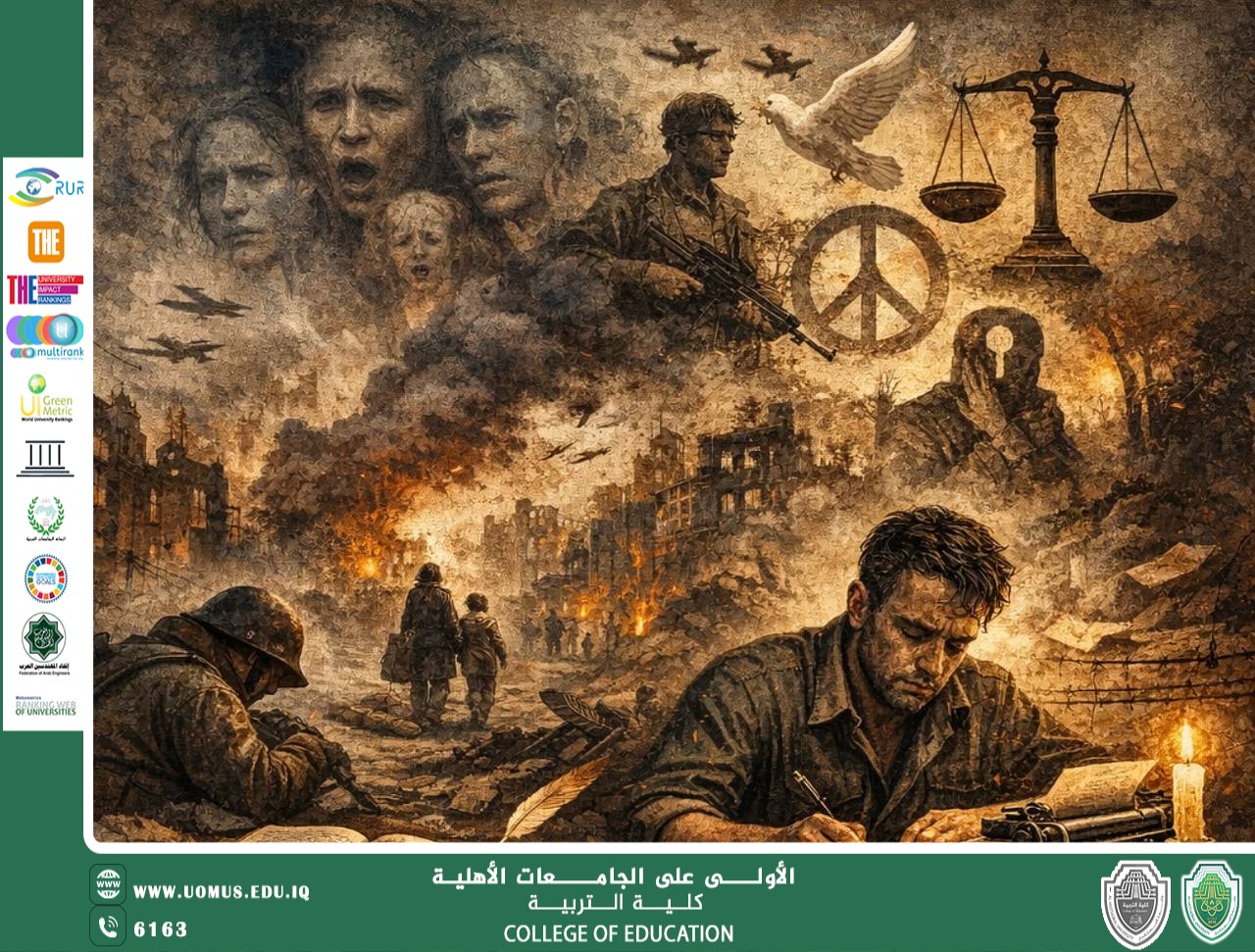
Modern literature is a true reflection of the major transformations the world has experienced. Wars and conflicts—particularly World War I and World War II—have been among the most significant factors that reshaped human consciousness and deeply influenced literary production in both form and content.
The Shift in the Human Perception of War
In modern literature, war is no longer portrayed as a symbol of heroism or glory as it was in earlier times. Instead, it represents the absurdity and cruelty of human existence. Writers have exposed the false narratives used to justify wars and depicted human beings as their primary victims, living in fear, loss, and a sense of meaninglessness.
Exposing the Harsh Human Reality
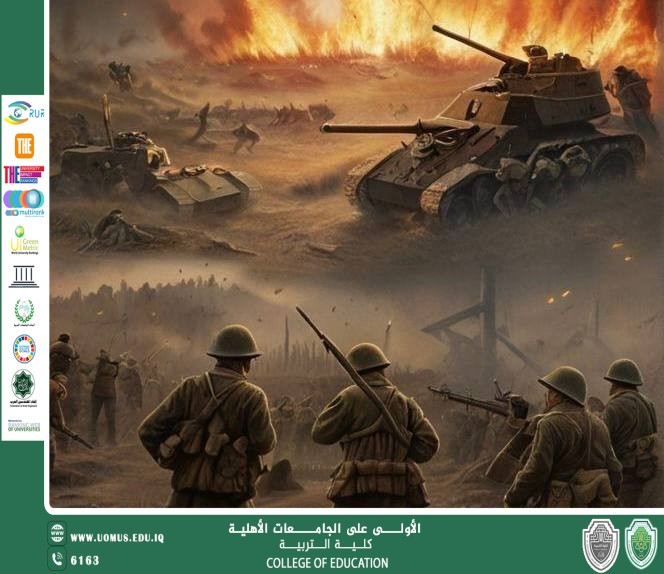
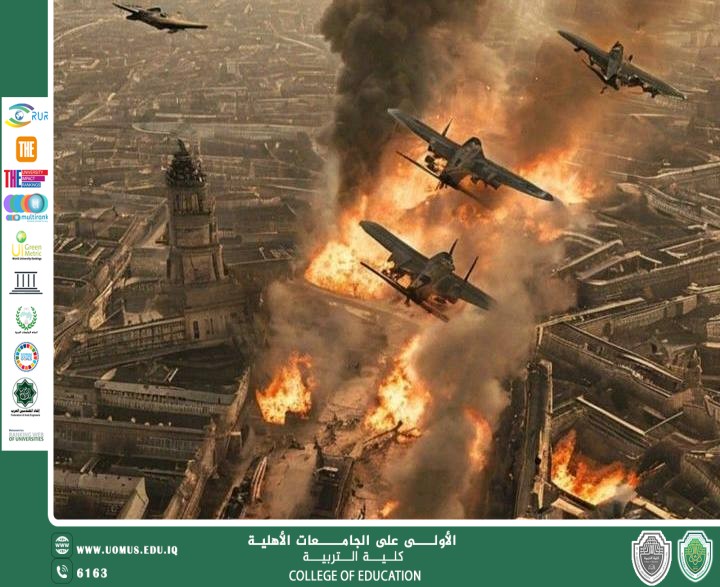
Writers turned to what is known as “harsh realism,” portraying scenes of destruction, hunger, displacement, and the loss of loved ones without embellishment. Literature is no longer intended solely for entertainment, but rather to shock and awaken the human conscience.
The Emergence of Alienation and Existential Anxiety
Wars created a deeply fragmented individual, lacking psychological and social stability. As a result, themes of alienation, anxiety, and the search for identity became prominent in modern literature, where individuals feel like strangers even within their own homeland or themselves.
The Development of Literary Techniques and Styles
The chaos caused by wars led to the breakdown of traditional literary forms. New techniques such as stream of consciousness, fragmented narrative, and symbolism emerged. These methods were not random but reflected a genuine attempt to convey the disturbed human psyche during times of war.
The Rise of Committed Literature
Literature became a means of expressing clear ethical positions. Writers committed themselves to human causes, exposed injustice and oppression, and called for freedom and peace. The writer was no longer neutral but became a witness and a bearer of truth.
The Impact of Wars on Language and Imagery
The language of modern literature became powerful, concise, and symbolic, moving away from ornamental expression to reflect the harshness of reality. Literary imagery also became darker, expressing the psychological and physical devastation caused by wars.
The Emergence of Testimonial and Experiential Literature
Many writers documented their personal experiences in wars, giving rise to what is known as testimonial literature. This form conveys reality from within suffering rather than from an external perspective, giving texts authenticity and deep emotional impact.
Conclusion
Wars have not only left their marks on the earth but have also carved deep wounds into modern literature. They transformed it from a form of entertainment into a powerful tool of human awareness. Thus, literature has become the voice of the voiceless, a witness to human suffering, and a continuous pursuit of a more just and peaceful world.
Asst. Lecturer Shadan Salah Shabr
#College_of_Education #Al_Mustaqbal_University