

: The Role of Nanomaterials in Treating Water Contamination by Heavy Metals
01/04/2026 Share :
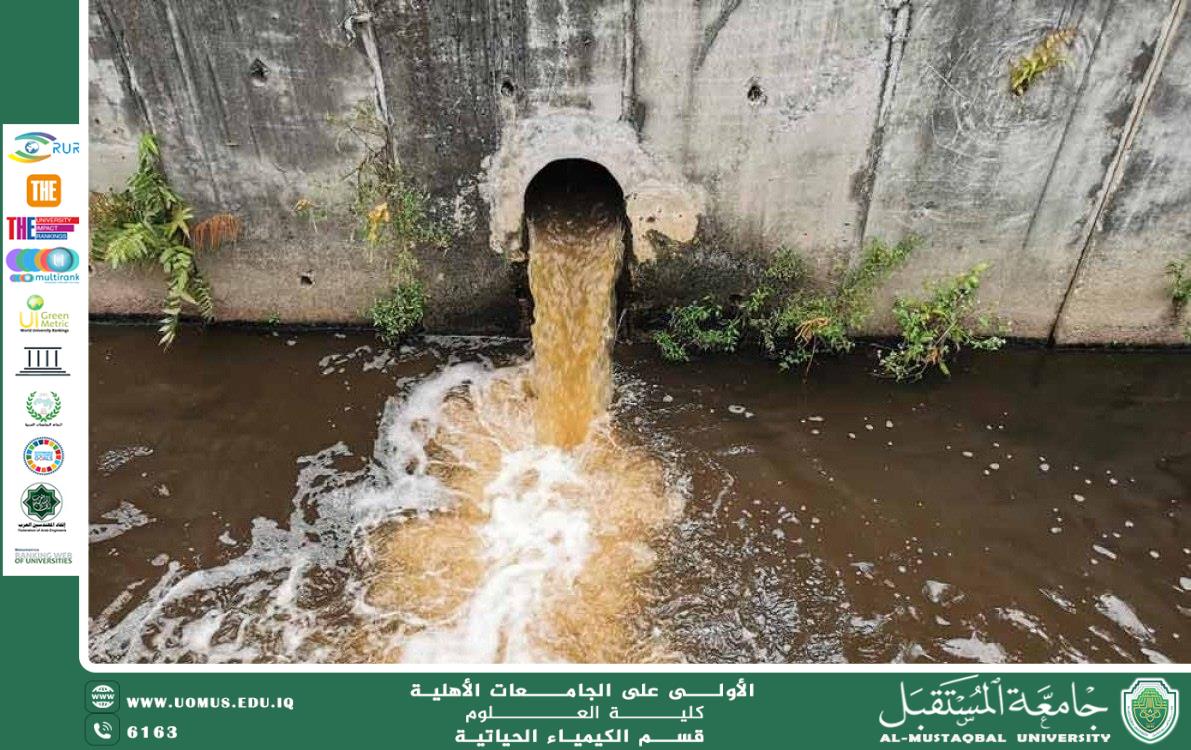
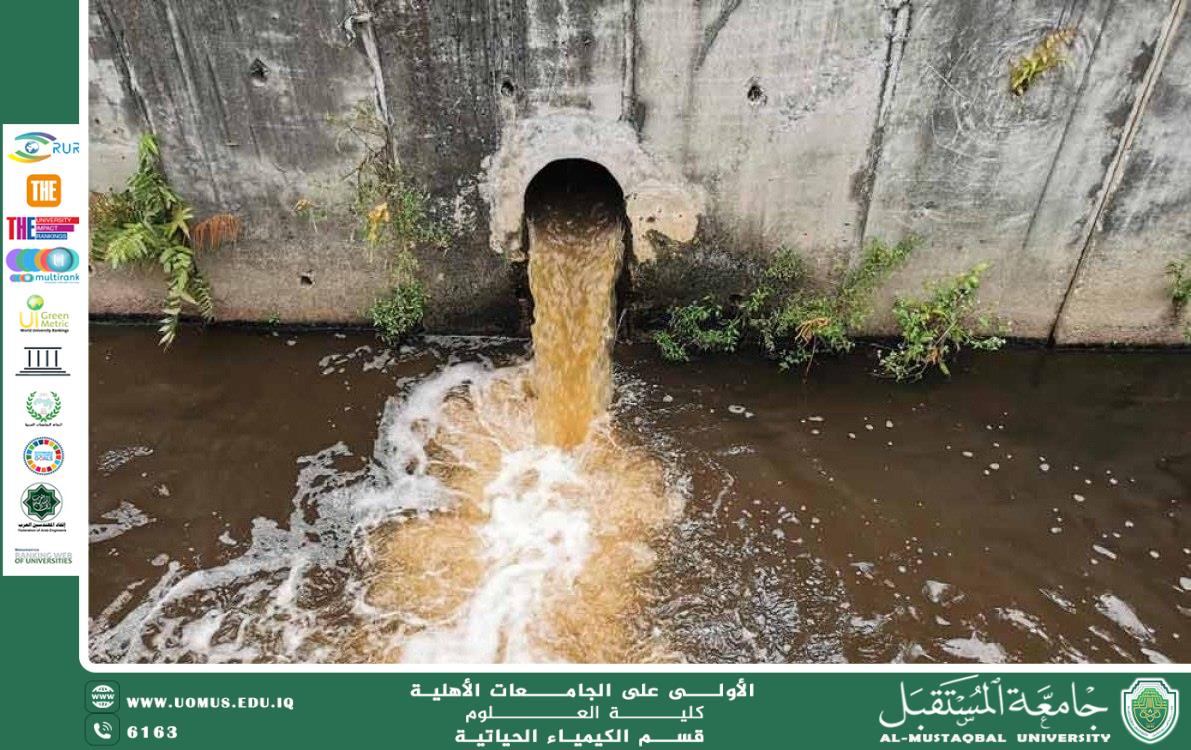
Water contamination by heavy metals represents an increasing environmental and public health challenge due to industrial activities and urban expansion. Owing to the persistence and non-biodegradable nature of these elements, the development of effective removal technologies has become an urgent necessity. Nanomaterials are among the most promising materials in this field due to their high surface area and tunable surface properties, which enhance their ability to bind metal ions. This article highlights the importance of nanomaterials in water treatment, the possible removal mechanisms, and the major challenges associated with their practical application.
Introduction
Heavy metals such as lead, cadmium, mercury, and chromium are produced from various industrial activities. They are highly toxic and capable of bioaccumulation in food chains. Chronic exposure to these elements can lead to serious health disorders, including damage to the nervous system, kidneys, and liver.
Various techniques are used to treat water contaminated with heavy metals, such as chemical precipitation, ion exchange, and reverse osmosis. However, many of these methods suffer from high operational costs or limited efficiency at low concentrations. Therefore, adsorption using nanomaterials has emerged as an effective and relatively economical alternative.
Properties and Importance of Nanomaterials
Nanomaterials possess several characteristics that make them suitable for pollutant removal applications, including:
High specific surface area
Abundance of active sites
إمكانية تعديل السطح كيميائياً → Ability to chemically modify the surface
Rapid reaction rates due to small particle size
These properties enhance the interaction between the material surface and metal ions, increasing removal efficiency compared to conventional materials.
Mechanisms of Heavy Metal Removal
The removal process depends on several possible mechanisms, including:
Physical adsorption
Chemical adsorption
Ion exchange
Surface complexation
Electrostatic attraction
Often, more than one mechanism is involved simultaneously, depending on the nature of the nanomaterial, the type of metal ion, and the environmental conditions.
Challenges and Future Perspectives
Despite promising results, several challenges remain, including material reusability, stability, and the potential release of nanoparticles into the environment. Therefore, current research focuses on developing safer and more sustainable materials, as well as evaluating their economic feasibility on a large scale.
Al-Mustaqbal University ranks first among private universities in Iraq.