
Clean Energy Enhancing Efficiency and Rationalizing Consumption in Academic Environments
02/04/2026 Share :
Prepared by Dr. Haider Ali Al-Dulaimi, College of Administrative Sciences
Amid the increasing environmental and economic challenges facing the world, the need to adopt sustainable development models that balance growth requirements with the preservation of natural resources has become evident. Academic institutions are among the most capable entities to lead this transformation, given their pivotal role in knowledge production and shaping societal awareness. In this context, the importance of utilizing clean energy as a fundamental approach to achieving production efficiency and rationalizing consumption within university environments stands out, in alignment with Sustainable Development Goal 7 and Goal 12.
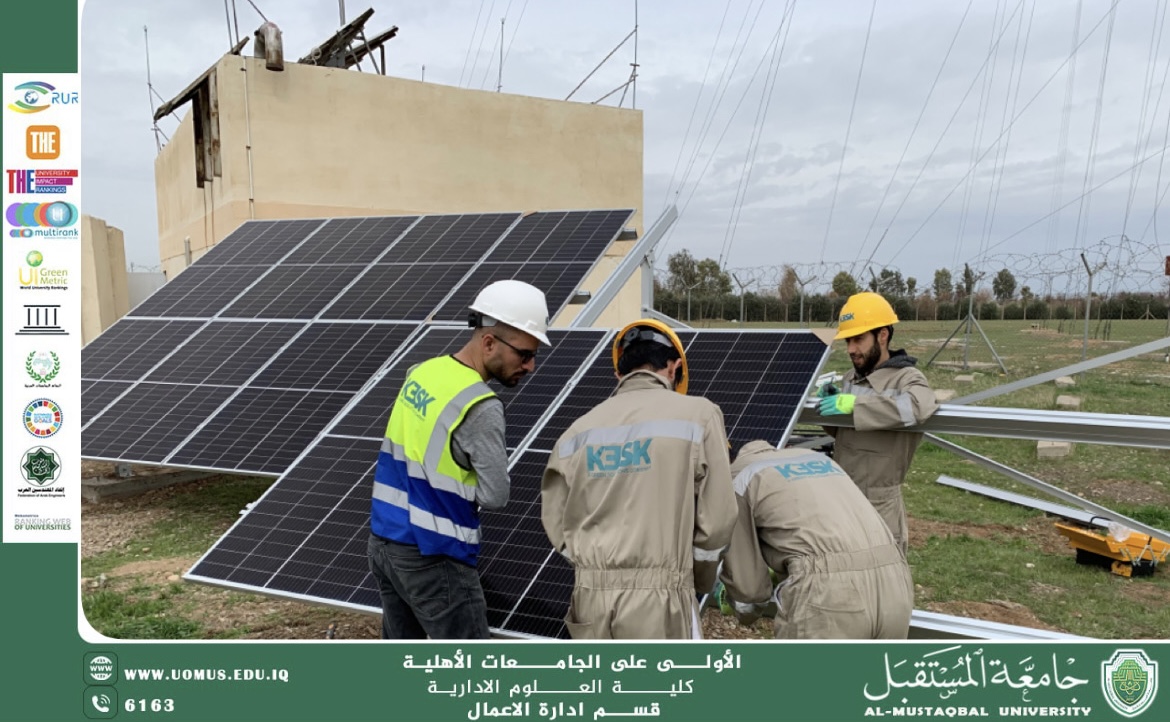
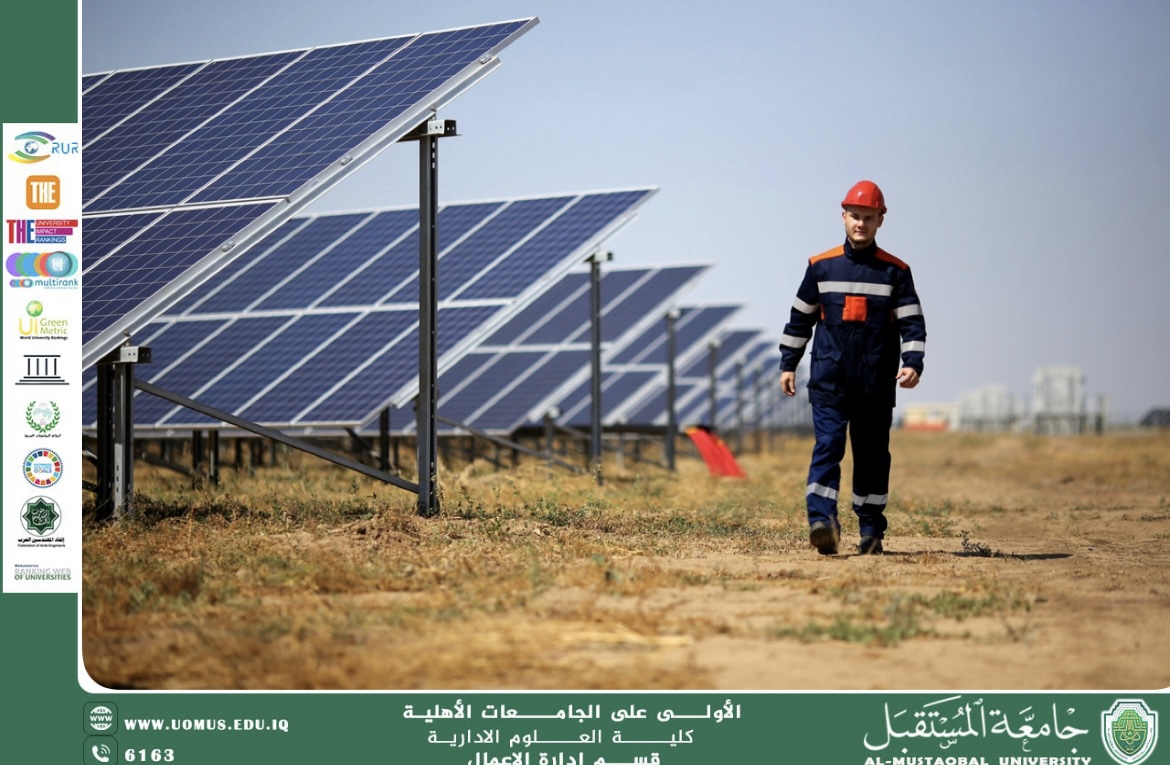
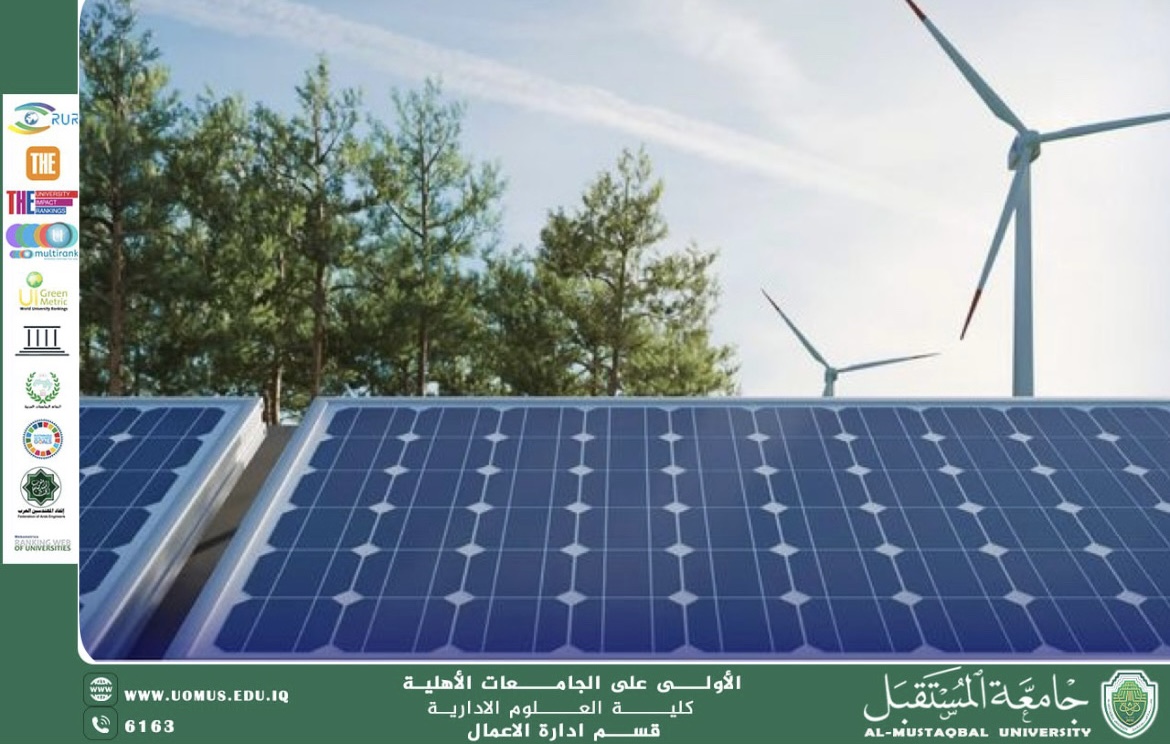
Clean energy sources, such as solar and wind power, help reduce reliance on traditional polluting sources, positively impacting the reduction of carbon emissions and improving resource use efficiency. In academic settings, these sources can be used to operate university buildings and laboratories, enhancing operational efficiency and reducing long-term operational costs. This approach also serves as a practical model for students, fostering a culture of sustainability among them.
Moreover, the use of clean energy is closely linked to promoting responsible patterns of consumption and production, contributing to resource waste reduction and enhanced efficiency. Educational institutions can implement multiple strategies in this regard, such as upgrading infrastructure for more efficient energy use, employing smart technologies for resource management, and raising awareness among students and faculty about the importance of rational consumption.
The role of universities extends beyond practical application to scientific research that contributes to developing innovative solutions in sustainable energy. Supporting research projects related to clean energy and production efficiency can help generate locally applicable solutions, enhancing the role of academic institutions in serving society and achieving sustainable development.
In conclusion, adopting clean energy in academic environments is not merely a technical choice but a strategic direction aligned with the social responsibility of educational institutions. By integrating concepts of production efficiency and consumption rationalization into university policies, a sustainable learning environment can be achieved, preparing an aware generation capable of facing future challenges and actively contributing to comprehensive development.