Article by Nour Azmi: Sustainable management of biological resources in fragile environments
03/04/2026 Share :
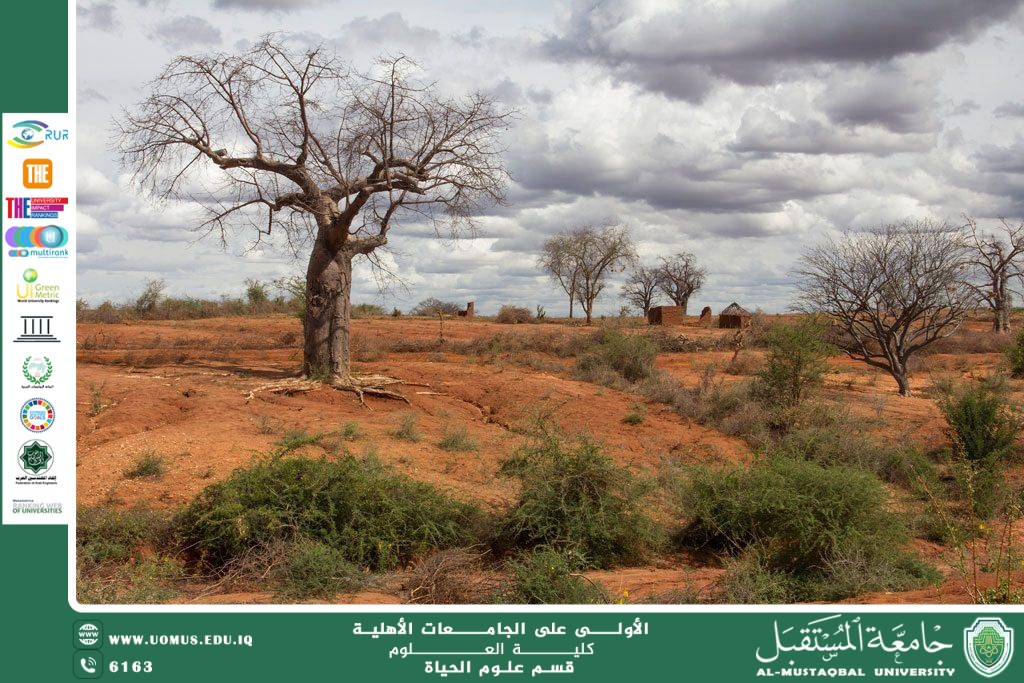
Fragile environments are ecosystems that are highly sensitive to natural and human-induced changes, such as deserts, wetlands, mountains, coastal areas, and arid regions. These environments are characterized by limited natural resources, low productivity, and high vulnerability to environmental degradation. Sustainable management of vital resources in these areas is essential to maintain ecological balance, ensure the survival of local communities, and prevent irreversible damage to the environment.
The concept of sustainable resource management involves using natural resources in a way that meets present needs without compromising the ability of future generations to meet their own needs. In fragile environments, this approach is particularly important because the delicate ecological balance can be easily disrupted. Overexploitation of water, soil, vegetation, or wildlife can lead to erosion, desertification, loss of biodiversity, and the collapse of ecosystems.
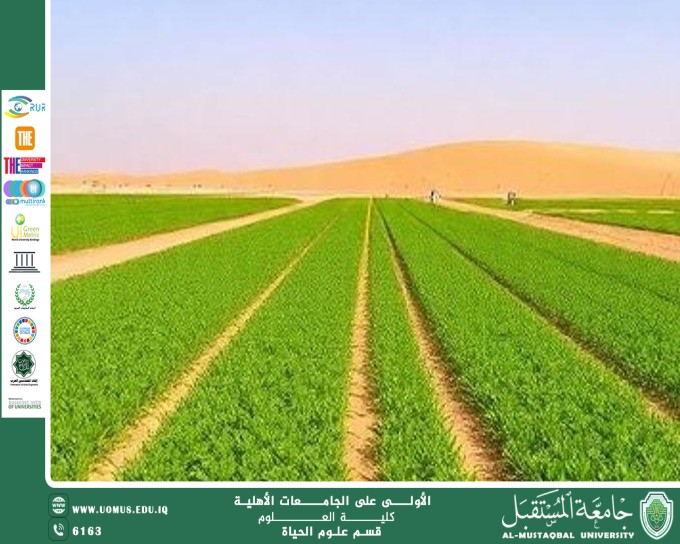
Water management is a central aspect of sustainability in fragile areas. Water scarcity is common in arid and semi-arid regions, making efficient use and conservation crucial. Techniques such as rainwater harvesting, drip irrigation, and wastewater recycling can reduce pressure on natural water sources. Protecting watersheds and wetlands also ensures the availability of clean water for both humans and wildlife.
Soil conservation is equally important, as fragile soils are prone to erosion, salinization, and nutrient depletion. Sustainable farming practices, including crop rotation, reduced tillage, and organic fertilization, help maintain soil fertility. In addition, planting vegetation barriers and reforestation programs can stabilize soil and prevent desertification.
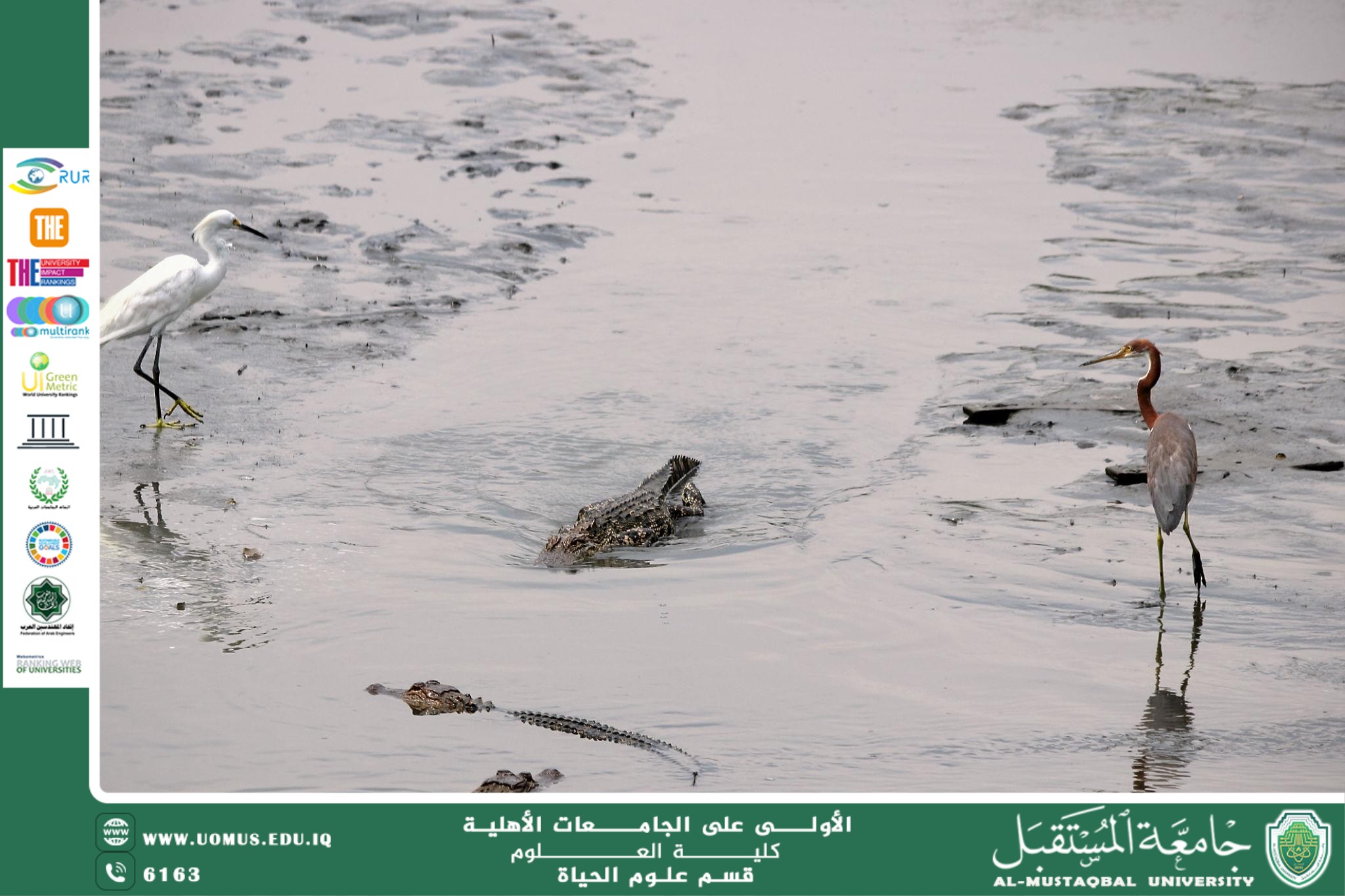
Biodiversity conservation is a critical component of resource management. Fragile environments often host unique species adapted to extreme conditions. Protecting these species and their habitats ensures ecosystem stability, supports food security, and preserves genetic resources for future agricultural and medicinal use. Establishing protected areas and regulating hunting, fishing, and harvesting of wild plants are essential measures.
Local communities play a key role in sustainable management. Empowering communities through education, participatory planning, and access to resources ensures that management strategies are culturally appropriate and practically effective. Traditional knowledge about water use, land cultivation, and wildlife can complement modern scientific techniques for sustainability.
Climate change poses additional challenges to fragile environments, amplifying risks such as droughts, floods, and rising temperatures. Sustainable management strategies must include adaptation measures, such as drought-resistant crops, climate-resilient infrastructure, and early warning systems for natural disasters.
Economic and policy frameworks are also necessary for sustainability. Governments and organizations can provide incentives for conservation, regulate resource exploitation, and fund research and development in sustainable technologies. International cooperation can further support fragile regions by sharing knowledge, technical expertise, and financial resources.
Technological innovations contribute significantly to sustainability. Remote sensing, GIS mapping, and environmental monitoring help identify areas at risk, track changes in ecosystems, and guide decision-making. Renewable energy sources, such as solar and wind power, reduce dependency on fragile natural resources and mitigate environmental pressures.
Monitoring and evaluation are essential components of sustainable resource management. Regular assessments of resource availability, ecosystem health, and community needs ensure that strategies remain effective and adaptable to changing conditions. Adaptive management allows for quick responses to unforeseen environmental challenges.
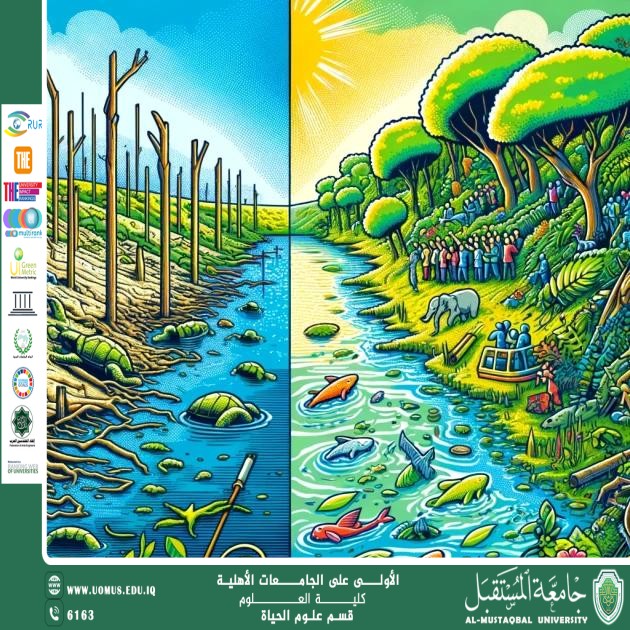
In conclusion, the sustainable management of vital resources in fragile environments is a complex but essential task. It requires a holistic approach that combines ecological conservation, economic planning, technological innovation, and community participation. By protecting water, soil, biodiversity, and other natural resources, fragile ecosystems can continue to support human life, maintain ecological balance, and contribute to sustainable development on a global scale.
Al-Mustaqbal University is the First University in Iraq.
الهدف 11 – مدن ومجتمعات محلية مستدامة