Biochemical Interactions of Emulsified Drug Formulations in Biological Systems
05/04/2026 Share :
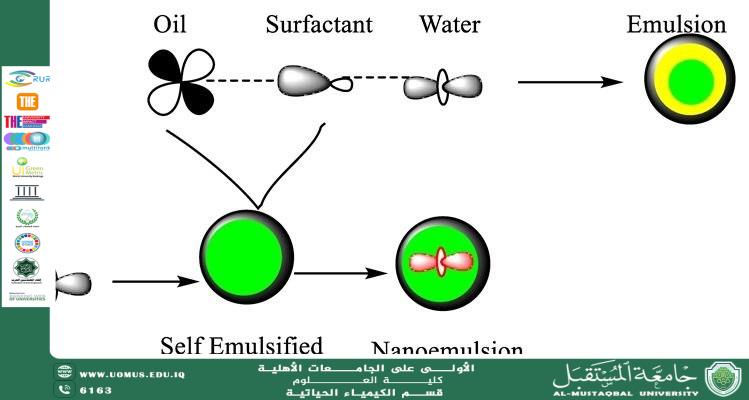
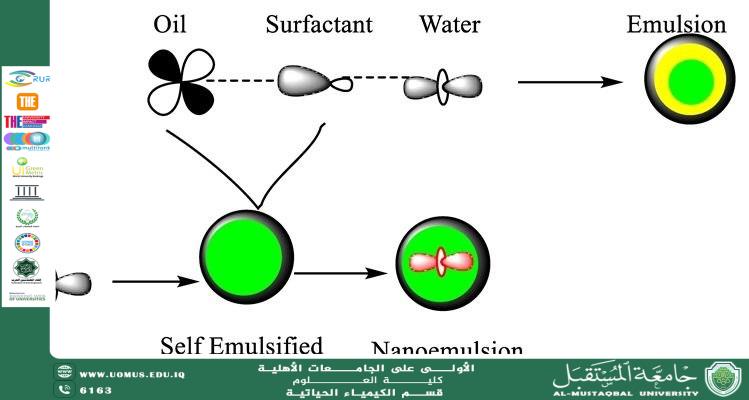
Emulsions are widely used pharmaceutical systems that play an important role in improving drug solubility and therapeutic performance. An emulsion is a biphasic system composed of two immiscible liquids, typically oil and water, stabilized by emulsifying agents that reduce interfacial tension between the phases. In modern therapeutics, emulsified drug formulations have gained significant attention due to their ability to enhance the delivery of poorly water-soluble drugs.
From a biochemical perspective, emulsified drug systems influence several biological processes once administered into the body. These systems can significantly affect pharmacokinetic processes such as drug absorption, distribution, metabolism, and excretion. By dispersing lipophilic drug molecules into fine droplets, emulsions increase the surface area available for interaction with biological membranes, which are mainly composed of phospholipids and membrane proteins.
Emulsifying agents themselves may also interact with biological molecules. Certain surfactants can modify membrane permeability or influence enzyme activity associated with drug metabolism. Since cellular membranes consist of phospholipid bilayers, lipophilic components of emulsified formulations can facilitate the transport of drugs across these membranes through diffusion or other transport mechanisms.
Furthermore, plasma proteins play a crucial role in the biochemical interaction of emulsified drugs. Drug molecules present in the lipid phase may bind to plasma proteins such as albumin, affecting their distribution and circulation time in the bloodstream. These interactions influence the pharmacological effectiveness of the drug and its therapeutic duration.
Recent advancements in pharmaceutical technology have led to the development of nanoemulsions and microemulsions, which offer improved physicochemical stability and extremely small droplet sizes. These characteristics enhance drug absorption and bioavailability and enable targeted drug delivery to specific tissues or cells.
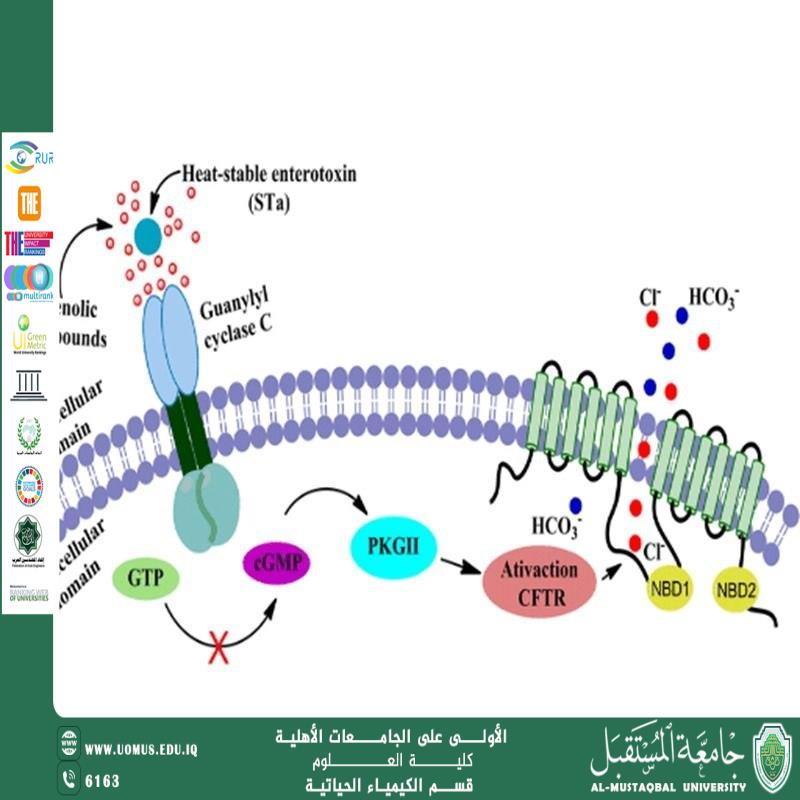
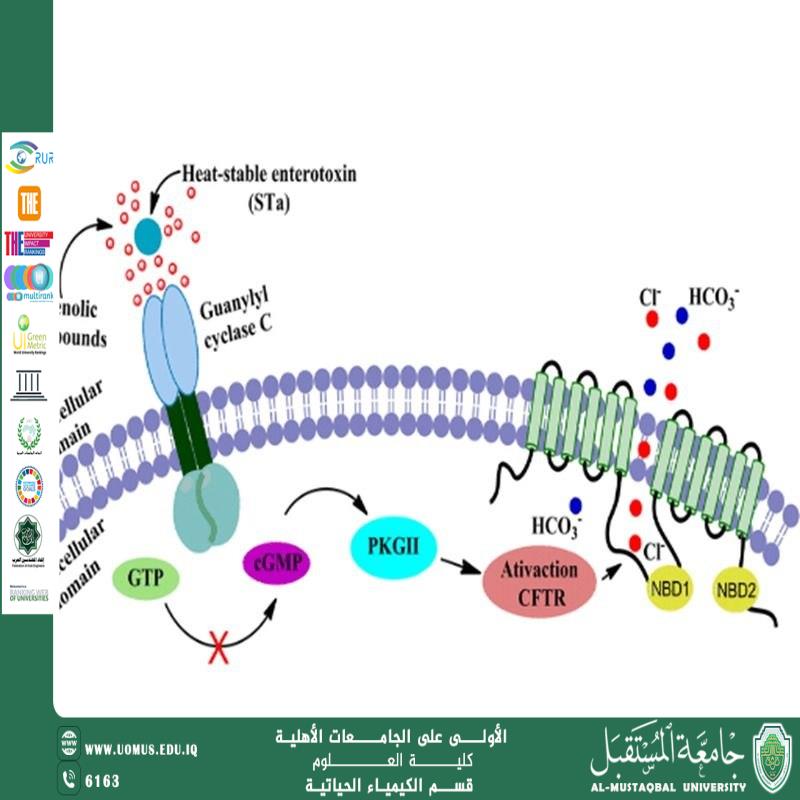
Emerging studies also suggest that emulsified drug systems can influence intracellular biochemical pathways, including signaling pathways involved in inflammation, oxidative stress, and cell growth. Understanding these biochemical interactions is essential for designing more efficient and safer drug delivery systems.
In conclusion, emulsified drug formulations represent an important platform for improving drug delivery and therapeutic outcomes. A deeper understanding of the biochemical interactions between emulsified systems and biological environments can facilitate the development of innovative pharmaceutical strategies aimed at enhancing treatment efficacy while minimizing adverse effects.
Al-Mustaqbal University Ranked First Among Iraqi Private Universities