Therapeutic Applications of Emulsions in Modern Medicine
05/04/2026 Share :
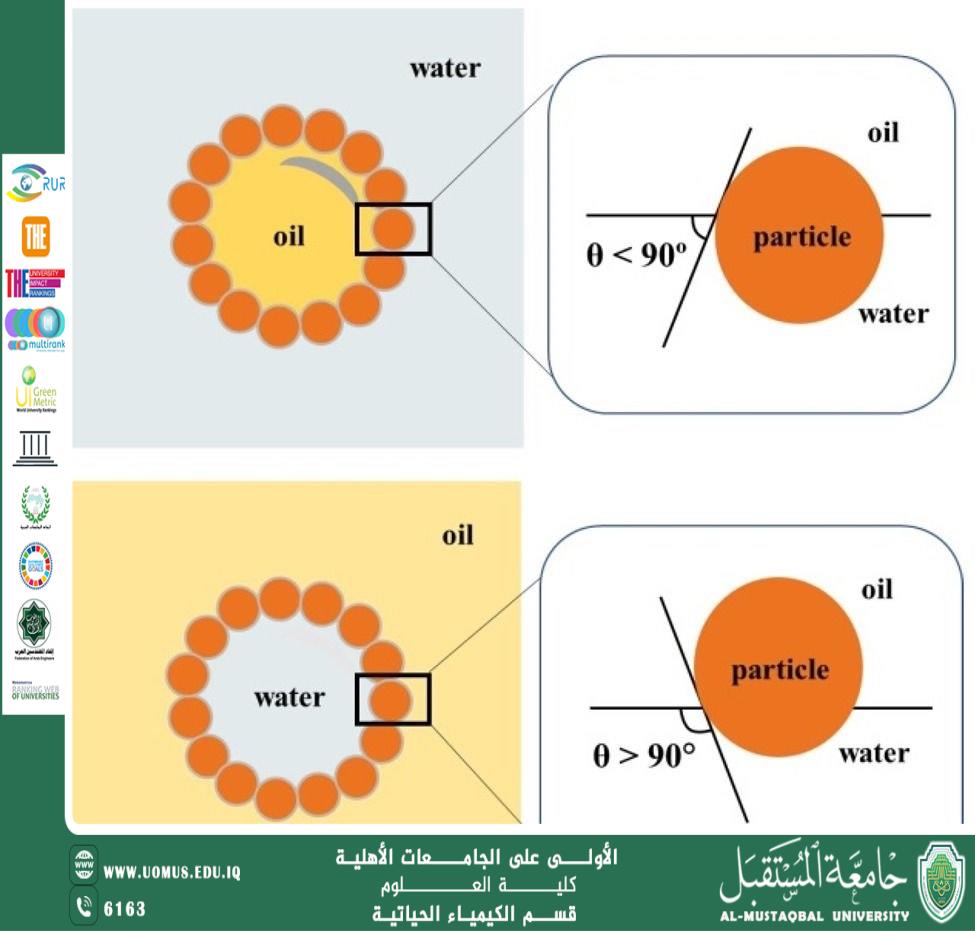
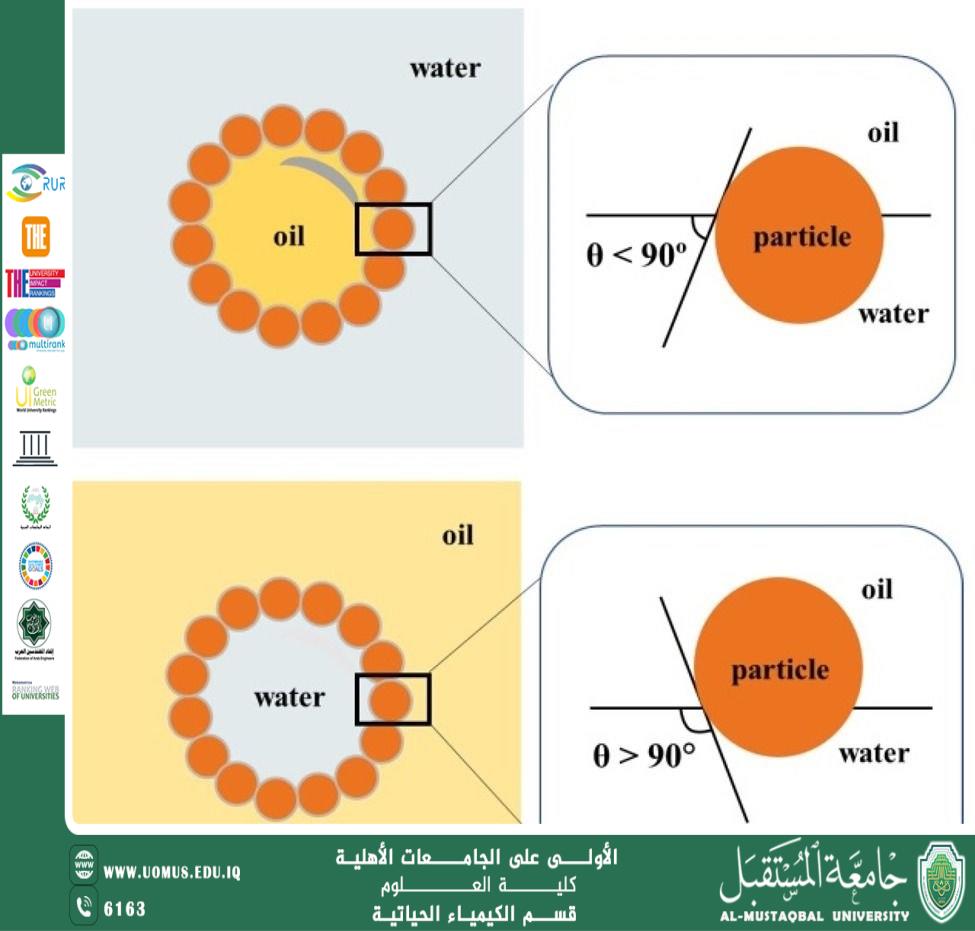
Emulsions represent one of the most important pharmaceutical dosage forms widely used in modern medicine due to their ability to enhance drug delivery and therapeutic efficiency. An emulsion is a biphasic system consisting of two immiscible liquids, usually oil and water, stabilized by emulsifying agents that reduce interfacial tension between the two phases. Advances in pharmaceutical technology have significantly expanded the therapeutic applications of emulsions in various medical fields.
One of the most important applications of emulsions is in the delivery of poorly water-soluble drugs. Many modern therapeutic compounds exhibit low aqueous solubility, which limits their bioavailability when administered in conventional dosage forms. Emulsion-based formulations improve the solubility and dispersion of lipophilic drugs by distributing them in fine oil droplets, thereby enhancing drug absorption and therapeutic effectiveness.
Emulsions are also widely used in intravenous formulations, particularly in lipid emulsions used for total parenteral nutrition (TPN). These formulations provide essential fatty acids and serve as an important energy source for patients who cannot obtain adequate nutrition orally. In addition, lipid emulsions can function as carriers for lipophilic drugs administered through intravenous routes.
In the field of anesthesia and clinical medicine, certain anesthetic agents are formulated as lipid emulsions to improve their stability and facilitate intravenous administration. This formulation approach allows rapid onset of action and better control of drug delivery while minimizing adverse effects.
Emulsions also play a critical role in topical and dermatological therapies. Many creams, lotions, and ointments are formulated as emulsions to enhance the penetration of active pharmaceutical ingredients through the skin. These formulations also provide moisturizing properties and create protective barriers that support therapeutic effectiveness.
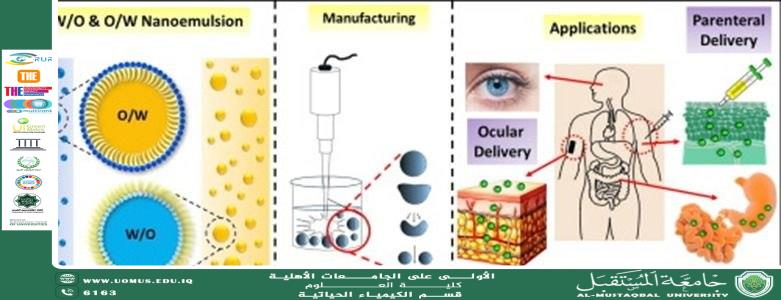
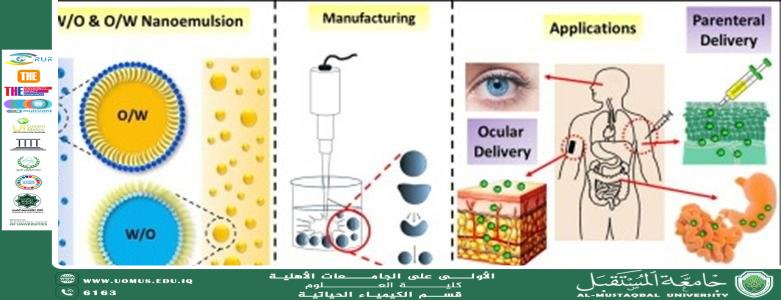
Recent technological developments have led to the emergence of microemulsions and nanoemulsions, which exhibit extremely small droplet sizes and high thermodynamic stability. These advanced systems improve drug absorption and bioavailability and allow more efficient delivery of therapeutic agents such as anticancer drugs, antibiotics, and anti-inflammatory compounds.
Furthermore, emulsions are increasingly utilized in targeted drug delivery systems, where formulation strategies are designed to direct drugs toward specific tissues or cells in the body. This targeted approach can reduce the required drug dosage and minimize systemic side effects.
In recent years, emulsions have attracted considerable attention in biomedical research and pharmaceutical nanotechnology, particularly when combined with nanomaterials and biodegradable polymers to develop advanced therapeutic systems. These systems hold great promise for improving the treatment of diseases such as cancer, inflammatory disorders, and infectious diseases.
In conclusion, emulsions are a versatile and valuable pharmaceutical platform in modern medicine. Their ability to enhance drug solubility, stability, and delivery makes them essential in the development of innovative therapeutic strategies aimed at improving patient outcomes and advancing pharmaceutical science.