Teaching Science at University Level: Enhancing Scientific Thinking and Innovation
09/04/2026 Share :
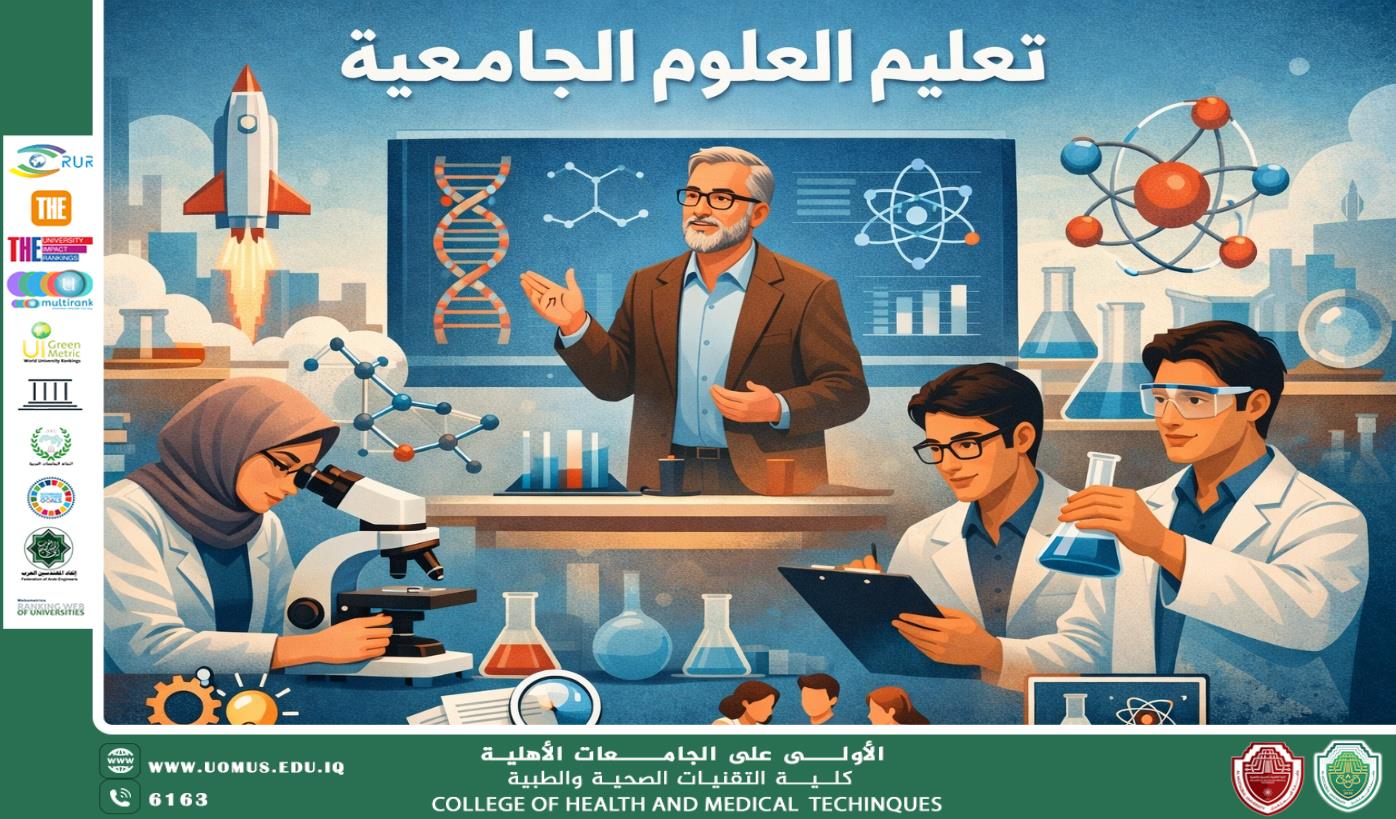
University-level science education is a cornerstone in building modern knowledge-based and innovation-driven societies. Its role is not limited to transferring scientific facts, but extends to developing critical and analytical thinking skills, enhancing problem-solving abilities, and preparing a generation capable of engaging with rapid scientific and technological challenges. Therefore, improving science teaching methods in universities is of strategic importance for ensuring educational quality and achieving sustainable development.
First: The Nature of University Science Education
Science education at the university level is characterized by greater depth and specialization compared to earlier educational stages, where students transition from passive recipients to active researchers and analysts. This type of education is based on:
Deep conceptual understanding rather than memorization
Linking theory with practical application
Employing scientific research as a learning tool
It also requires a dynamic learning environment that enables students to test hypotheses, analyze data, and draw scientific conclusions accurately.
Second: Challenges Facing University Science Education
Despite its importance, science education faces several challenges, including:
Overreliance on traditional lecture-based teaching methods
Weak laboratory infrastructure in some institutions
A gap between theoretical knowledge and practical application
Limited use of modern educational technologies
These challenges may reduce students’ motivation and weaken their comprehensive understanding of scientific concepts.
Third: Modern Strategies in Science Education
To address these challenges, several modern approaches have emerged, including:
Inquiry-Based Learning: Encourages questioning, exploration, and critical thinking.
Problem-Based Learning: Presents real-life problems that require scientific solutions.
Collaborative Learning: Enhances communication and conceptual understanding through teamwork.
Educational Technology Integration: Uses virtual labs, simulations, and e-learning platforms to create interactive learning environments.
Fourth: The Role of the Academic Instructor
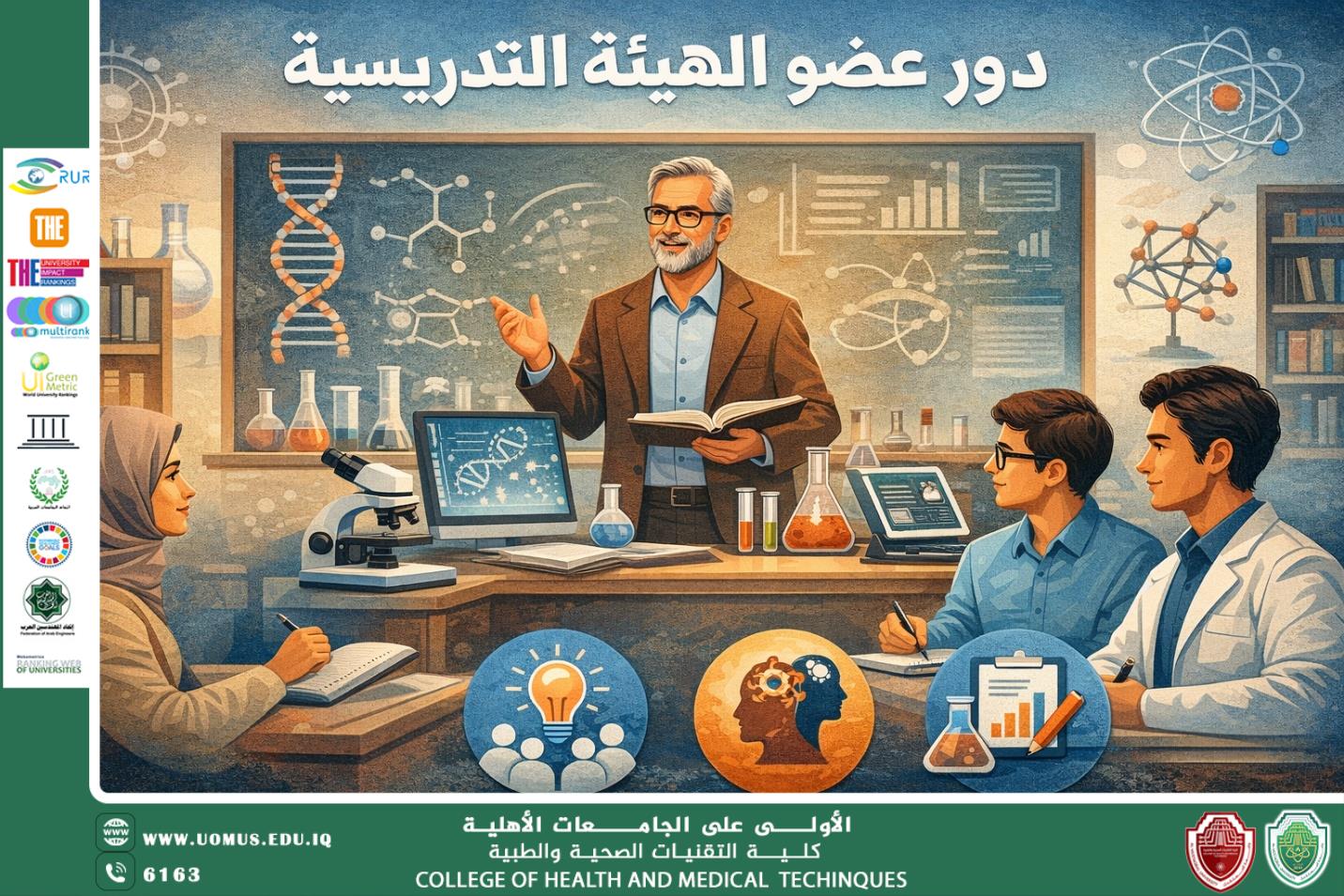
The university instructor is central to the educational process, shifting from a knowledge transmitter to a learning facilitator. This role includes:
Designing interactive learning activities
Guiding students toward critical thinking
Encouraging research and independent learning
Using diverse assessment methods that reflect true understanding
Continuous professional development is also essential to keep pace with scientific and pedagogical advancements.
Fifth: The Impact of Science Education on Societal Development
University science education contributes to:
Preparing specialized scientific workforce for the labor market
Promoting innovation and scientific research
Addressing health, environmental, and technological challenges
Supporting a knowledge-based economy
Thus, it becomes an effective tool for achieving sustainable development and societal progress.
Conclusion
Developing university science education is an urgent necessity in light of rapid global transformations. This requires adopting modern teaching strategies, providing a stimulating learning environment, and continuously training academic staff. Through these efforts, high-quality science education can be achieved, contributing to the development of a creative and critical-thinking generation capable of advancing society.
AL-Mustaqbal University – The First University in Iraq