The Status of the Arabic Language in the Digital Age
12/04/2026 Share :
Prepared by Instructor
M.M. LiKaa Abbas Dhahir
Introduction:
The world is currently witnessing a rapid digital revolution that has reshaped communication and knowledge patterns, directly impacting the presence and use of languages. In this context, Arabic stands out as an ancient language striving to assert its presence in the digital environment while preserving its authentic identity. Therefore, studying the position of Arabic in the digital age is of particular importance, revealing its capacity to adapt to modern transformations.
First: The Presence of the Arabic Language in the Digital Environment
The Arabic language has become an active part of the digital world, spreading through social media, educational platforms, and websites. This widespread use has contributed to expanding its reach; however, this presence still requires development in terms of content quality and accuracy, reflecting the richness and cultural depth of the language.
Second: Contemporary Challenges Facing the Arabic Language
The Arabic language faces several challenges in the digital age, most notably the dominance of foreign languages in the fields of technology and science, in addition to the prevalence of writing in Latin script, which may affect the integrity and identity of the language. It is also noticeable that the use of Modern Standard Arabic is declining in the digital space in favor of colloquial dialects, which weakens its unity and dissemination.
Third: Prospects for Developing the Arabic Language Digitally
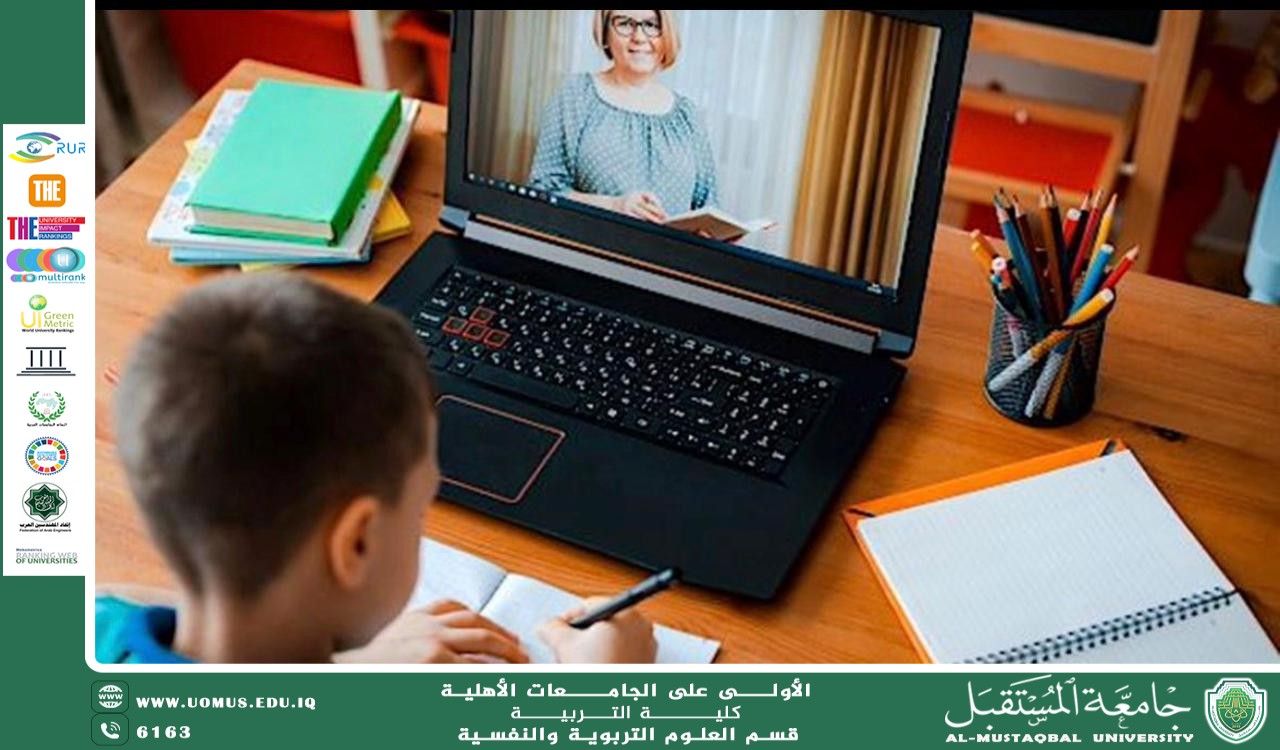
Despite these challenges, digital transformations offer promising opportunities for advancing the Arabic language through the development of smart applications, the enhancement of Arabic digital content, and the utilization of artificial intelligence technologies to serve the language. Digital platforms can also be employed in teaching Arabic in interactive ways that attract learners and meet their aspirations.
Fourth: The Role of Educational and Cultural Institutions
Educational and cultural institutions play a pivotal role in supporting the Arabic language by modernizing its teaching methods, linking it to modern technologies, and encouraging its use in scientific and media fields. Furthermore, supporting initiatives that enhance Arabic content contributes to consolidating the language's position in the digital age.
Conclusion:
The Arabic language possesses the inherent qualities that enable it to continue and develop amidst digital transformations, provided it is properly invested in and supported. It is not merely a means of communication, but a cultural vessel that reflects the identity and culture of the nation. Therefore, maintaining its digital presence is a shared responsibility that requires awareness and continuous effort.
Al-Mustaqbal University (the leading university in Iraq)