The Green Revolution: How Sustainable Concrete is Reshaping Future Cities
15/04/2026 Share :
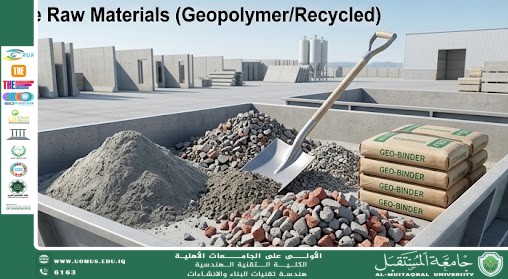
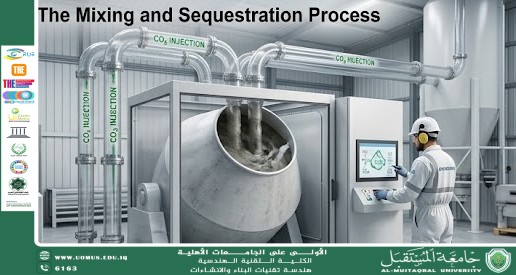
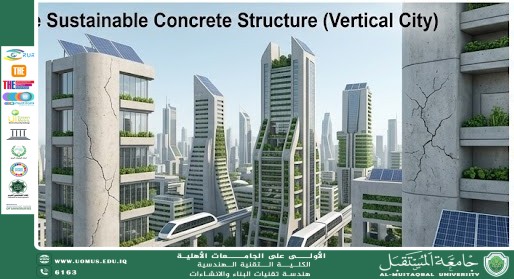
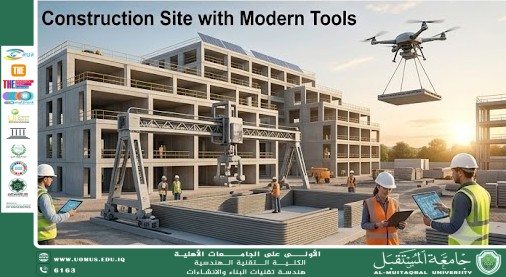
Concrete is the most consumed man-made material on Earth after water; it is the backbone of modern civilization. However, this reliance comes at a steep environmental price, as cement production alone accounts for approximately 8% of global $CO_2$ emissions. As urbanization accelerates, a "Green Revolution" has emerged in the construction industry, introducing Sustainable Concrete as a radical solution to reshape our cities into eco-friendly hubs.1. What is Sustainable Concrete?Sustainable concrete is more than just a building material; it is an engineering approach aimed at reducing the environmental footprint of structures throughout their lifecycle. This is achieved through:Clinker Substitution: Using alternative materials such as fly ash, ground granulated blast-furnace slag (GGBS), or volcanic ash.Recycling: Utilizing recycled aggregates from demolished buildings instead of depleting natural resources.Carbon Sequestration: Developing innovative concrete types that act as "carbon sinks," capturing $CO_2$ from the atmosphere and storing it within their structure.2. Pioneering Technologies in Modern CitiesFuture cities rely on innovations that transform buildings from environmental liabilities into assets:A. Geopolymer ConcreteThis technology relies on chemically activating industrial waste to act as a binding agent instead of traditional Portland cement, reducing carbon emissions by up to 80%.B. Carbon-Sequestering ConcreteGlobal companies have developed techniques where $CO_2$ is injected during the mixing process. The gas chemically reacts to form a solid mineral (calcium carbonate) within the concrete, enhancing its strength while permanently locking away the carbon.C. Self-Healing ConcreteBy adding capsules containing specific bacteria, concrete can "heal" its own cracks when exposed to water. This extends the lifespan of structures and reduces the need for carbon-intensive maintenance and demolition.3. Economic and Environmental Impact on CitiesShifting toward green concrete does more than protect the planet; it provides tangible benefits for urban development:Lowering Carbon Footprint: Contributing to "Net Zero" goals pursued by nations worldwide.Energy Efficiency: Sustainable concrete often possesses better thermal properties, reducing the need for artificial cooling and heating.Circular Economy: Converting demolition debris and industrial waste into valuable resources, solving the solid waste crisis in mega-cities.4. Challenges and the Path ForwardDespite the benefits, sustainable concrete faces challenges regarding higher initial costs and the need to update engineering codes and regulations. However, the global shift toward "Green Finance" and smart buildings makes the adoption of these materials a necessity rather than an option.Suggested References:International Energy Agency (IEA): "Technology Roadmap: Low-Carbon Transition in the Cement Industry."Construction and Building Materials Journal: Research on the performance of geopolymer concrete and recycled aggregates.American Society of Civil Engineers (ASCE): Articles on "Sustainable Engineering and Green Concrete Applications in Infrastructure."Global Cement and Concrete Association (GCCA): 2050 Roadmap to Net Zero Concrete.Nature Communications: A study on "Carbon sequestration potential in cement-based construction materials."