

A scientific article by Professor A.L Muhaimin Samir Aref entitled (Vernal Catarrh)
19/08/2022 Share :
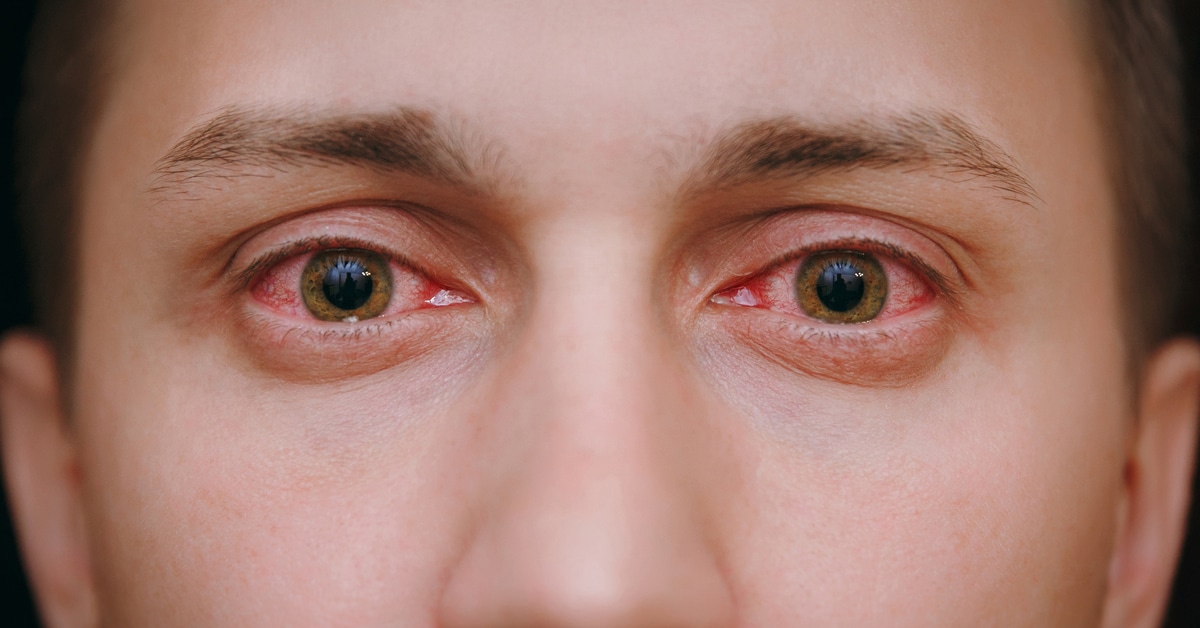
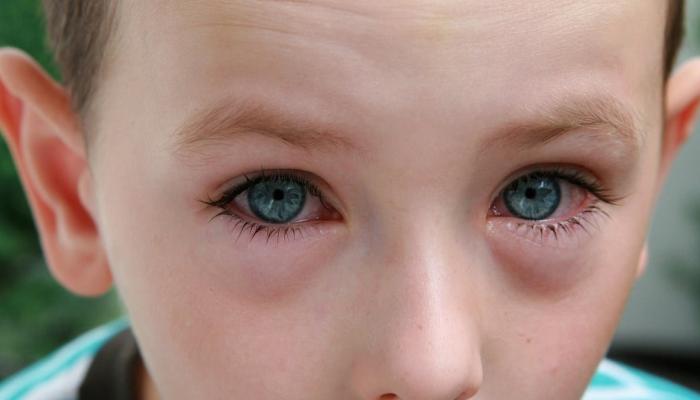
Vernal Catarrh:<br />It is an infection that causes discomfort, redness and irritation in the tissues of the eye, and it occurs as a result of an allergic reaction to flower pollen and tree dust that is widely spread in the air, especially during the spring and summer months.<br />What is vernal conjunctivitis?<br />Spring conjunctivitis, or what is known as (vernal conjunctivitis), is one of the types of allergic disease that affects the conjunctiva of the eye due to various types of viruses or bacteria, which leads to swelling and redness of the eye, and causes pain with severe and harmful itching.<br />Spring conjunctivitis<br />The most important environmental factors that cause seasonal allergies are:<br />Pollen or pollen, which abound in the spring.<br />Exposure to chlorine in swimming pools.<br />cigarette smoke.<br />Some components of cosmetics.<br />Symptoms of spring conjunctivitis are<br />If any of the symptoms below appear, you definitely have vernal conjunctivitis:<br />redness of the eyelid;<br />Burning sensation and swelling in the eyes.<br />Intense itching in the affected eye.<br />Inability to see clearly.<br />A sense of the presence of foreign bodies and roughness of the surface of the eye.<br />Inability to tolerate light.<br />Diagnosis of spring conjunctivitis<br />There are no medical tests to diagnose vernal conjunctivitis, and your doctor will usually examine your eyes and ask about your medical history.<br />Spring conjunctivitis treatment<br />The treatment of this disease requires the following:<br /><br />Spring conjunctivitis home treatment<br />Some cases can be treated at home by following these steps:<br />Avoid rubbing the eyes as this causes further irritation.<br />Not to be in areas full of spring flowers and trees that are saturated with flower dust.<br />Putting cold compresses on the eyes when exposed to flower dust, which is the first treatment method that must be followed to reduce the aggravation of the problem.<br />Use over-the-counter antihistamine eye drops.<br />2. Treatment of spring conjunctivitis medically<br />If symptoms last more than a few days, a doctor can prescribe anti-inflammatory eye drops for the affected individual.<br /><br />Possible complications of spring conjunctivitis<br />Which relates to all of the following:<br />Allergy symptoms increase in colder weather, which in turn leads to more tears.<br />Vision is affected or may cause corneal scarring.<br />If symptoms do not improve with home care, it is important to make an appointment to see an ophthalmologist or an allergist for appropriate treatment.