A scientific article by the department rapporteur, A.L Dhay Ali Saber, entitled (Biopolymers)
22/08/2022 Share :
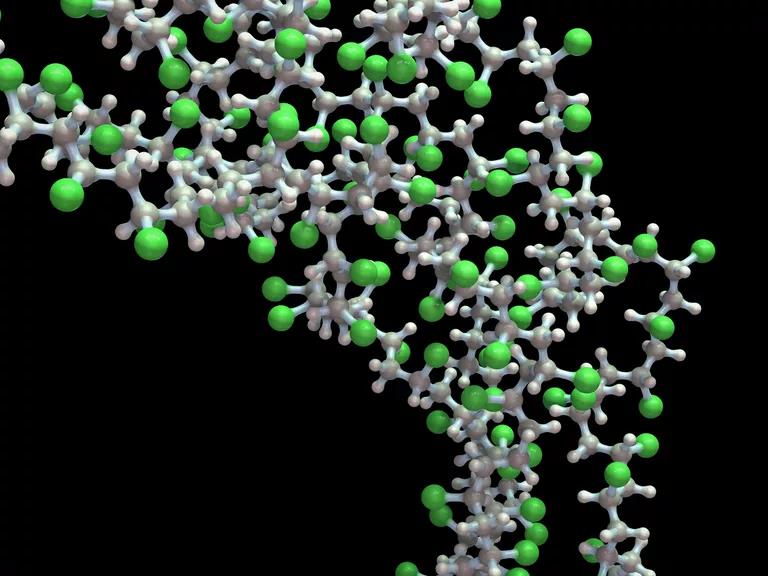
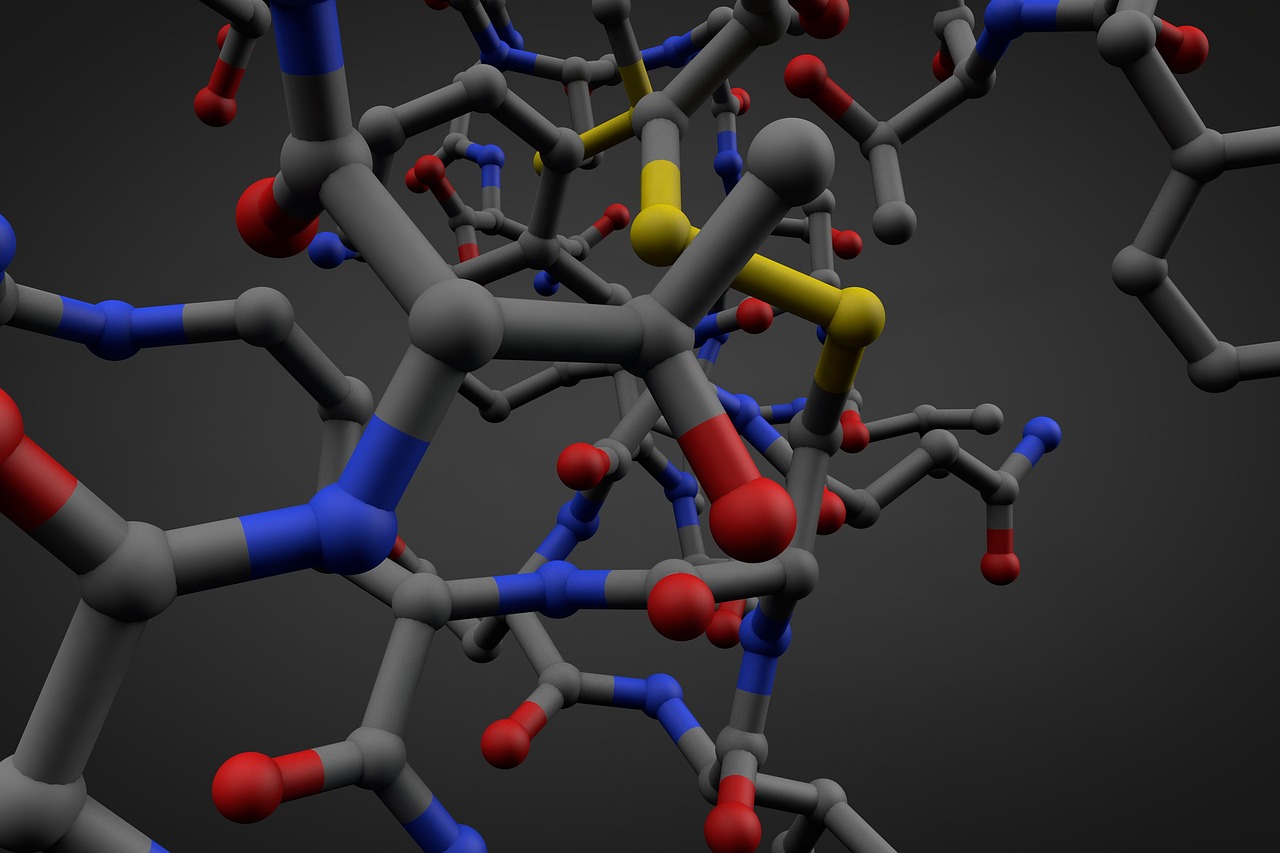
Biopolymers are polymers produced naturally from living organisms, especially plants. Also called renewable polymers, there are different types of them in nature in all groups of living organisms, that is, they are of renewable origin and are biodegradable in nature. And the expansion of its use will reduce the negative impacts on the environment compared to other manufactured materials. A polymer consists of long chains of molecules linked together by covalent chemical bonds. This term is applied to plastics or plastics; But it also includes a group of natural or synthetic compounds with multiple and disparate properties, which have a major role in everyday life. Natural polymers such as shellac, amber and natural rubber have been used for centuries, as well as other basic polymers in living organisms such as cellulose, the building block of plants, and products such as wood, paper and natural textiles.<br />Classification of biopolymers<br /> Biopolymers are classified according to their sources into four different categories:<br />1- Products from vegetable sources: they include polysaccharides (starch, cellulose, lignin, pectin...), proteins and lipids.<br />2- Products of animal sources: including gelatin and collagen.<br />3- Aquatic products: including chitin, which can be converted into chitosan.<br />4 Products of microorganisms (microbial sources) including Polyhydroxyalkanoates (PHA) and Polylactic Acid (PLA), which can be prepared by selected microorganisms and propagated by fermentation techniques.<br />The importance of biopolymers:<br />Biodegradable (biodegradable) biopolymers have received a lot of attention in recent years; The decline in oil reserves and the high price of oil and its products, in addition to the increasing environmental concern and concerns about global warming in the last decade, have led to its emergence as an alternative to traditional plastic materials, whose increased production led to an increase in environmental risks because they are not biodegradable. Which leads to its accumulation in nature. On the other hand, biopolymers (especially of plant origin) are considered renewable materials by microorganisms, as they can be reproduced again year after year through non-food crops such as cotton and woody trees, or lignocellulosic residues of major crops such as bagasse, cotton stalks, corn, and others. Biopolymers can also contribute to reducing the emission of carbon dioxide in the environment and reducing the amounts of carbon dioxide gas in the atmosphere, as the amount of this gas emitted from the decomposition of these materials will be consumed by plants that are grown to produce them again.<br />The fields of use of biopolymers varied from food packaging materials, chemical and agricultural industries to medical fields, bearing in mind that the wide production of these renewable polymers and their intensive use are essential to establish them as an alternative source for industrial plastics and a renewable material in the environment as well.