
Definition of Diabetes Mellitus م.م مريم احمد
07/09/2019 Share :
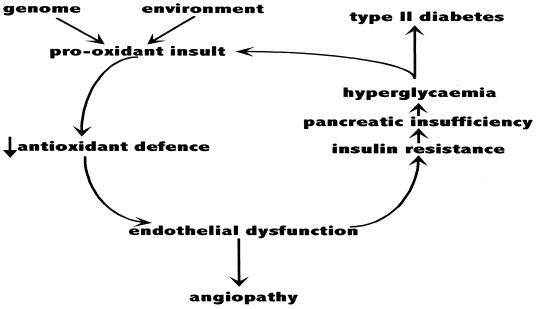
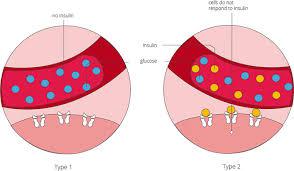
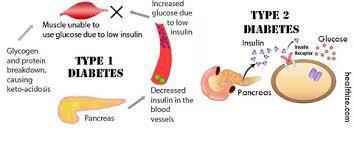
Diabetes mellitus (DM) is a heterogeneous syndrome of chronic disorder characterized by under representation of glucose and lipids resulting by a cluster of abnormal metabolic mechanisms in insulin secretion, insulin action or both which represent independent risk factors for the development of diabetes mellitus type-2 as shown Fig 2.1(Laight et al., 2000), while ADA defined diabetes is a complex, chronic illness requiring continuous medical care with multifactorial risk-reduction strategies beyond glycemic control. Ongoing patient self-management education and support are critical to preventing acute complications and reducing the risk of long-term complications (ADA, 2016).<br /><br />Normal glucose homeostasis results from a balance between insulin secretion and action that’s it any dysregulation in this balance responsible for the initiation of type 1 diabetes and insulin resistance the character of type 2 diabetes, which represents the main types of diabetes (Gauthier and Wollheim, 2006; ADA, 2015).<br />The chronic hyperglycemia of diabetes is associated with long-term damage, dysfunction, and failure of various organs, especially the eyes, kidney, nerves, heart, and blood vessels (Osullivan and Mahan, 2009).<br />The hyperglycemia produces the classical symptoms, including polyuria (frequent urination), polydipsia (increased thirst), polyphagia (increased hunger), loss of weight, fatigue and vision disrupt (WHO, 2013; American Diabetes Association, 2016). It has been proposed that all these abnormality are resulting by an activation of superoxide anion with generation many of reactive oxygen species (ROS), reactive nitrogen species (RNS), with height levels of oxidative stress (Singh et al., 2009; Bansal and Bilaspuri, 2011).<br />Oxidative stress is defined as unbalance between the production of exceeds reactive oxygen species (ROS) or free radicals against antioxidant production capacity, and it determined by measurement of oxidative damage, like lipid peroxidation, DNA oxidation, and protein oxidation which all together considered as a reaction products (Bansal and Bilaspuri, 2011).<br />Hyperglycemia produces oxidative stress through multiple routes: a-stimulated polyol pathway where in ≤ 30% glucose can be diverted to sorbitol and fructose, b-increased transcription of genes for proinflammatory cytokines and plasminogen activator inhibitor-1 (PAI-1) c- activation of protein kinase-C (PKC) leading to several molecular changes d-increased synthesis of Advanced Glycation End Products (AGEs) e-changes in a receptor far AGEs and f- autooxidation of glucose with formation of ketoimines and AGEs(Singh et al.,2009).<br />