"The Performance of Modified Asphalt Mixture by Rubber Fibers"
08/09/2019 Share :
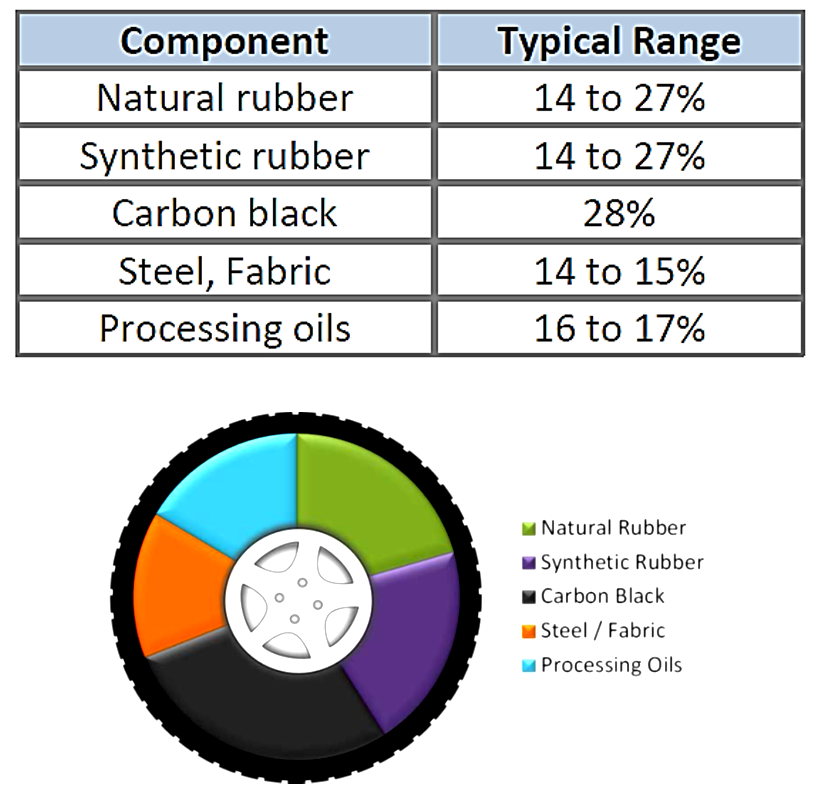
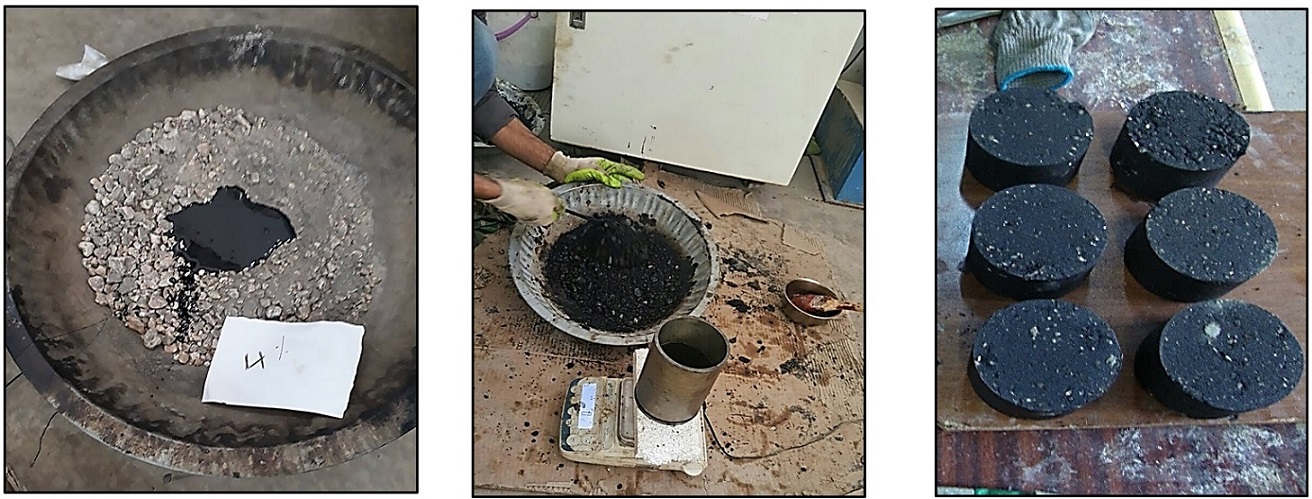
"The Performance of Modified Asphalt Mixture by Rubber Fibers"<br />As the rapidly growing number of vehicles in Iraq, the waste tire rubber becomes a major concern. The use of crumb rubber, which is the recycled tire rubber, as an additive in hot mix asphalt mixture is considered as a sustainable construction method.<br />The use of industrial additives in bitumen mixes will increase the construction cost. However, the use of alternative materials, such as waste tires crumb rubber is less costly and eco-friendly, and is expected to enhance the bitumen properties. This enhancement appeared in increasing asphalt resistance to pavement distress such as rutting, fatigue cracking, and low-temperature cracking. Recycling and reuse can offer engineering, economic and environmental benefits.<br />The make-up of tires varies depending on the type, truck or passenger, and manufacture. However, the basic components are about the same and are provided in the Table below:<br />Processing the tires using cryogenic fracturing involves cutting up the larger tire pieces into smaller, typically 50 mm particles, using sharp steel cutters. These smaller pieces are then frozen and fractured. The fracturing process produces a large variety of sizes from very small, passing the 75 μm sieve, to larger 4 or 5 mm size particles. The rubber particles produced by cryogenic fracturing have a tendency to be cubical with a smooth surface.<br />The ambient grinding process starts the same way as the cryogenic process; the tires are cut into smaller pieces with sharp cutting blades. The smaller pieces are then passed through shredders that grind and tear the rubber into smaller particles. Similar to cryogenic fracturing, the ambient grinding produces sizes ranging from small, passing the 75 μm sieve, to larger 4 to 5 mm size particles. The main difference between the two processes is the surface texture of the rubber particles. Ambient grinding produces a rough texture with increased surface area due to the tearing process. <br />The Benefits of Using Rubber Asphalt:<br />Adding rubber to asphalt has similar benefits to adding additives to concrete. The additives materials helped the engineers to improve the asphalt for some special required specifications. Rubber asphalt is produced either by wet process: rubber is melted in the liquid asphalt binder before mixing, or by dry process: rubber replaced by a portion of fine aggregate during mixing. Rubber pavement association found that using tire rubber in open-graded mixture binder could decrease tire noise by approximately 50%. Crumb rubber is used to minimize the damage of pavement such as resistance to rutting and fatigue cracking.<br />Written By Tameem Mohammed Hashim<br />Al-Mustaqbal University College<br />Building & Construction Engineering Technology<br /><br />