
Green Concrete: Concrete making with environmentally friendly materials
10/09/2019 Share :
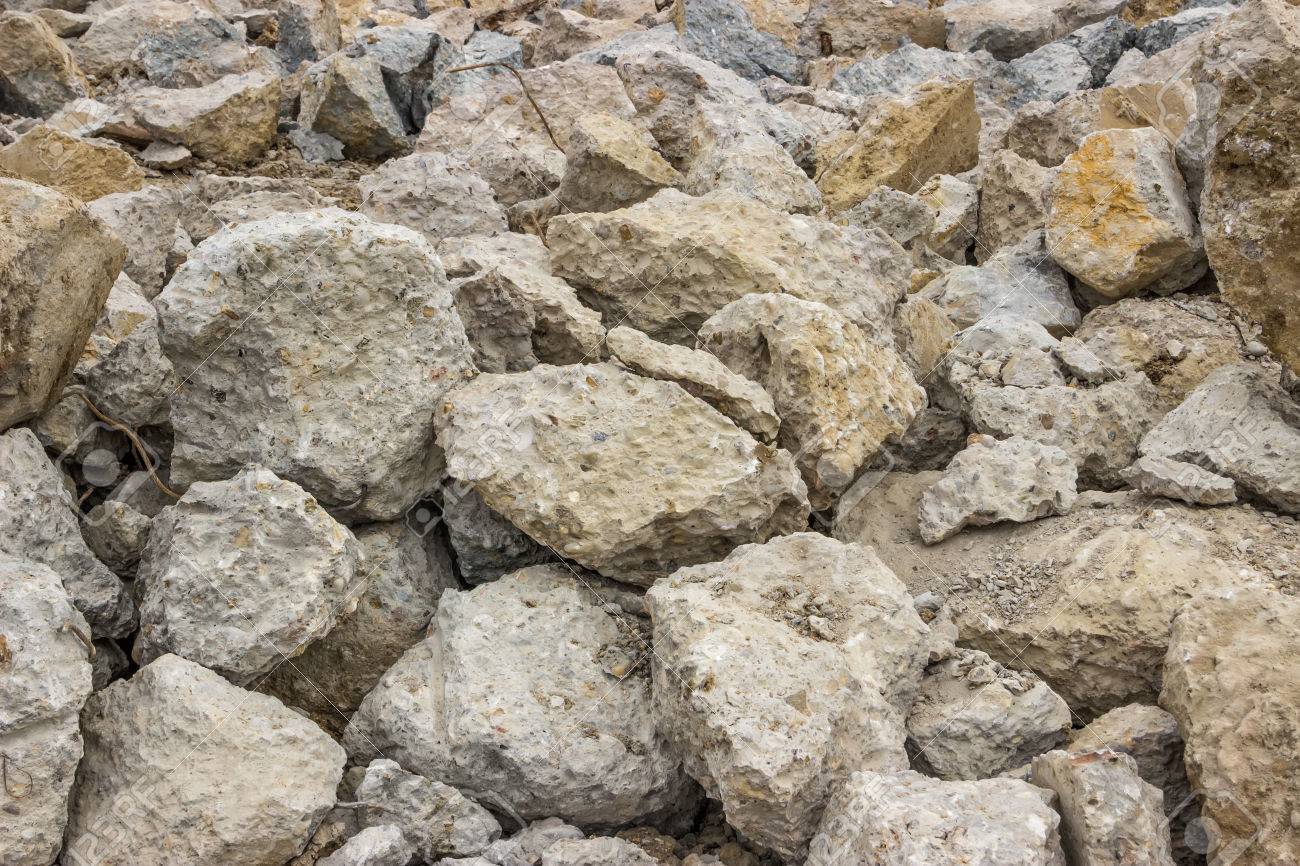
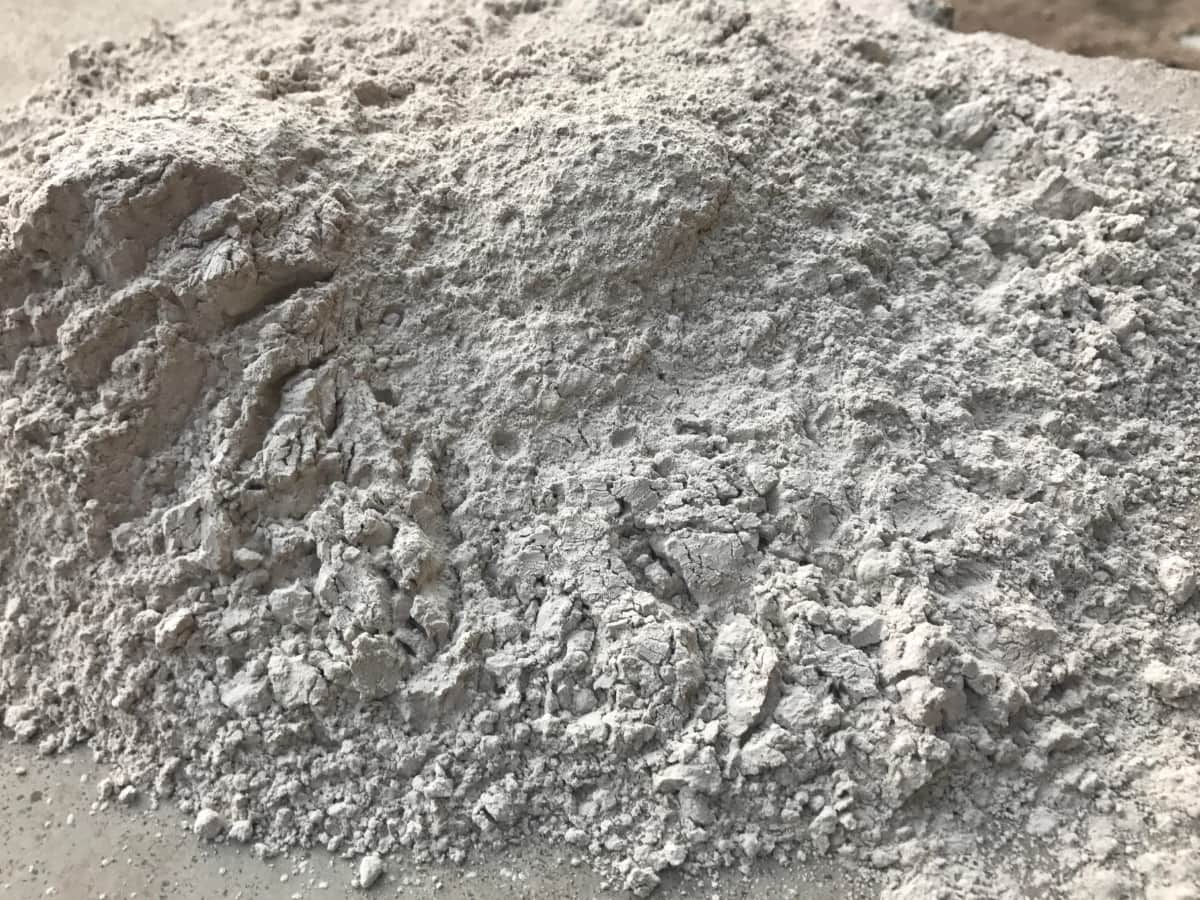
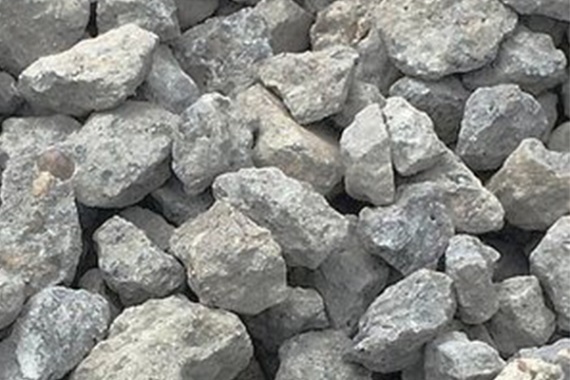
Green concrete is the use of environmentally friendly materials in the manufacture of concrete, to make it durable longer. Green concrete is very common and also cheap in production, because for example waste products are used as a partial substitute for cement to avoid the burden of waste disposal, and to reduce energy consumption during the production process, it is also more durable. This concrete should not be tied to its color.<br />Waste can be used to produce new products or can be used as additives by limiting the use of natural resources and making them more exploitable, Thus, the environment is protected from damage resulting from the disposal of waste. Residual inorganic materials such as stone dust, crushed concrete and marble waste can be used as green aggregates in the concrete industry. In addition, replacing cement with large volumes of fly ash and silica dust to develop new green cement and cohesive materials Increases the use of alternative raw materials and alternative fuels by developing or improving cement with less energy consumption during manufacturing.<br />Considerable research has been done on the various industrial uses of products and small fillers in concrete. Cost was not only the main concern of the use of pozzolanic waste, but also the improvement of concrete properties, especially durability. First of all, the most successful in this regard is the use of suitable alternatives to Portland cement, especially these are produced from industrial processes such as fly ash, iron slag, and silica dust. Efforts are also important to use suitable recycled materials as an alternative to aggregates, such as recycled aggregates.<br /> Criteria for selection of alternative materials / products:<br />• Resource Efficiency: In fact, resource efficiency includes features such as recycled content, natural or renewable resources<br />• Indoor air quality: Indoor air quality is enhanced by the use of materials that meet these characteristics: low-toxic or non-toxic substances, chemical emissions of few substances, moisture-proof materials, health-preserving materials.<br />• Energy Efficiency: It refers primarily to the energy used in concrete manufacturing, preferably requiring minimum energy during the concrete manufacturing period.<br />• Water Conservation: Preferred materials for use are materials that help us conserve water in natural areas as water conservation materials during the manufacturing period or even as an aid to reduce water consumption in building materials.<br />• Affordability: Affordability can be taken into account when we want to compare the costs of the resulting construction life cycle with that of conventional materials, within a proportion of the overall budget of the project.<br /> Alternative materials used in green concrete:<br />• Fly ash:<br />• Fly ash aggregates:<br />• Smashed stones as fine aggregates<br />• Aggregates made from recycled concrete or stones<br />• Marble waste as a filler<br />• Plastic waste as a component of concrete<br />ِAssist Lecturer Yessar Ameer Ali<br />