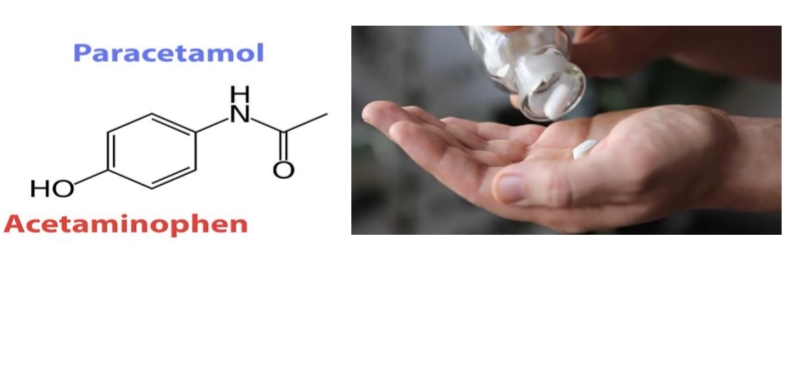
A scientific article by Dr. Hanadi Hadi entitled PARACETAMOL POISONING
18/01/2023 Share :
<br />Paracetamol Poisoning<br />An important reason why paracetamol (acetaminophen) is widely used to reduce<br />pain and fever is that it does not cause the gastrointestinal toxicity of the nonsteroidal<br />anti-inflammatory drugs. However, acetaminophen can cause liver toxicity including<br />serious liver failure, when the patient exceeds the total recommended dosage of less<br />than 4 g/day.<br />The mechanism of this toxicity is well known and results from the depletion of<br />endogenous glutathione and subsequent shunting of paracetamol metabolism from<br />benign to toxic pathways . The risk is greater when the liver is compromised by<br />disease or excessive alcohol use.<br />Cases of paracetamol liver toxicity can be classified as intentional and unintentional.<br />Intentional paracetamol overdosing involving single ingestion is a common form of<br />suicide attempt due to its low cost and accessibility. Unintentional overdoses, which<br />are common in adults and children, account for more than 50% of all cases and is<br />primarily due to therapeutic misuse and excessive dosing over a period of time;<br />usually more than 3 days. Moreover, these “therapeutic misadventures” are also<br />attributed to the use of multiple non-prescription combined formulations containing<br />paracetamol.<br />The problem with these over-the-counter products is that most consumers are not<br />knowledgeable or do not bother to read which of these formulations contain<br />paracetamol. Others patient may not be informed or do not understand the concept of<br />maximum recommended daily dose, or are not aware of the potential for<br />hepatotoxicity with excessive dosing, despite the strong warnings and dosing<br />recommendations in the label or package inserts.<br />Treatment may include activated charcoal if the person seeks medical help soon after<br />the overdose. Attempting to force the person to vomit is not recommended. If there is<br />a potential for toxicity, the antidote acetylcysteine is recommended.