Article named (Talent Identification Around The World ) prepared by Asst.L. Mohammed Maath Arif
16/09/2019 Share :
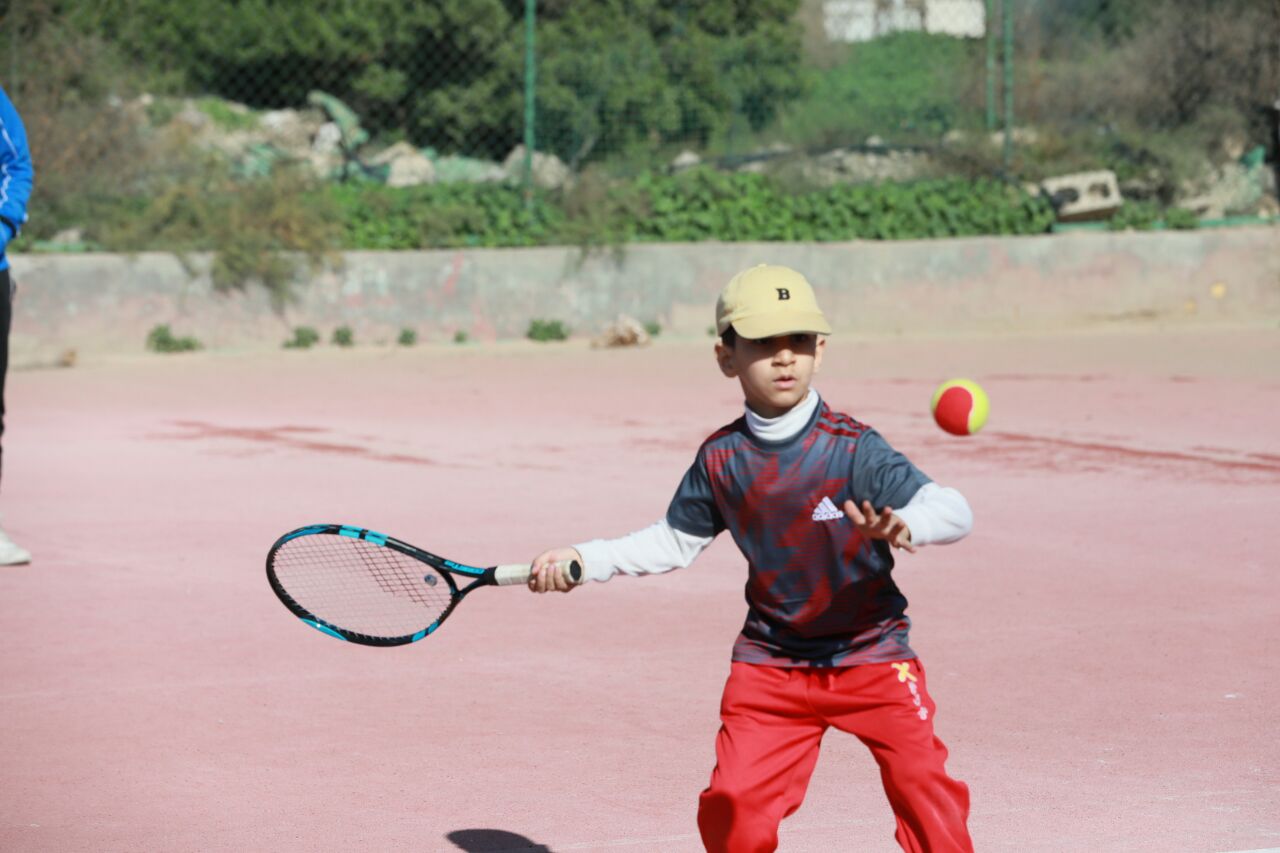
Talent is the adequate aptitude or ability in one direction, above the normal average. <br />Talent selection is short term, such as picking a team that will compete in a tournament next month.<br />Talent detection can be defined as the prediction of future performance of youngsters or the<br />identification of young players that will achieve success at national or international levels. This paper<br />deals with talent detection, which I will refer to as Talent ID.<br />Within the concept of Talent ID there are two basic categories:<br />• Identifying talent in children that are not currently playing tennis and attracting them to the<br />game.<br />• Identifying talent among children that already play tennis and investing more time, attention<br />and money in their development.<br />We are concerned with Talent ID among children that already play tennis.<br />Talent ID in tennis is extremely difficult in tennis. It must be progressive and systematic. To ensure<br />that the Talent ID program is meaningful, it must be done over a long period of time. It must take into<br />account the most important and indispensable parameters for success in tennis.<br />“Closed Loop” sports which are repetitive in nature such as rowing, canoeing, cycling, weightlifting or<br />swimming use tests that are primarily physical and can be meaningful at relatively young ages.<br />Tennis in a high skill “Open Loop” sport which requires constant decision-making, response<br />organization, spatial awareness, as well as a wide range of psychological, physical and technical<br />abilities. Any Talent ID scheme in tennis is less likely to have the same accuracy or success rate as<br />those used in “Closed Loop” sports.<br />There are three basic types of talent:<br />• General motor talent<br />• Sports talent<br />• Sports specific talent<br />All of these types of talent play in role in the complete development of a tennis player.<br />The main components of Talent ID can be divided into the following categories:<br />• Physiological<br />• Physical<br />• Psychological<br />• Technical/Tactical<br />• Results<br />• Intangibles