

A scientific article by the programmer, Mustafa Mortada Khalaf, entitled (Image Processing in Ophthalmology: Developments and Applications)
01/08/2023 Share :
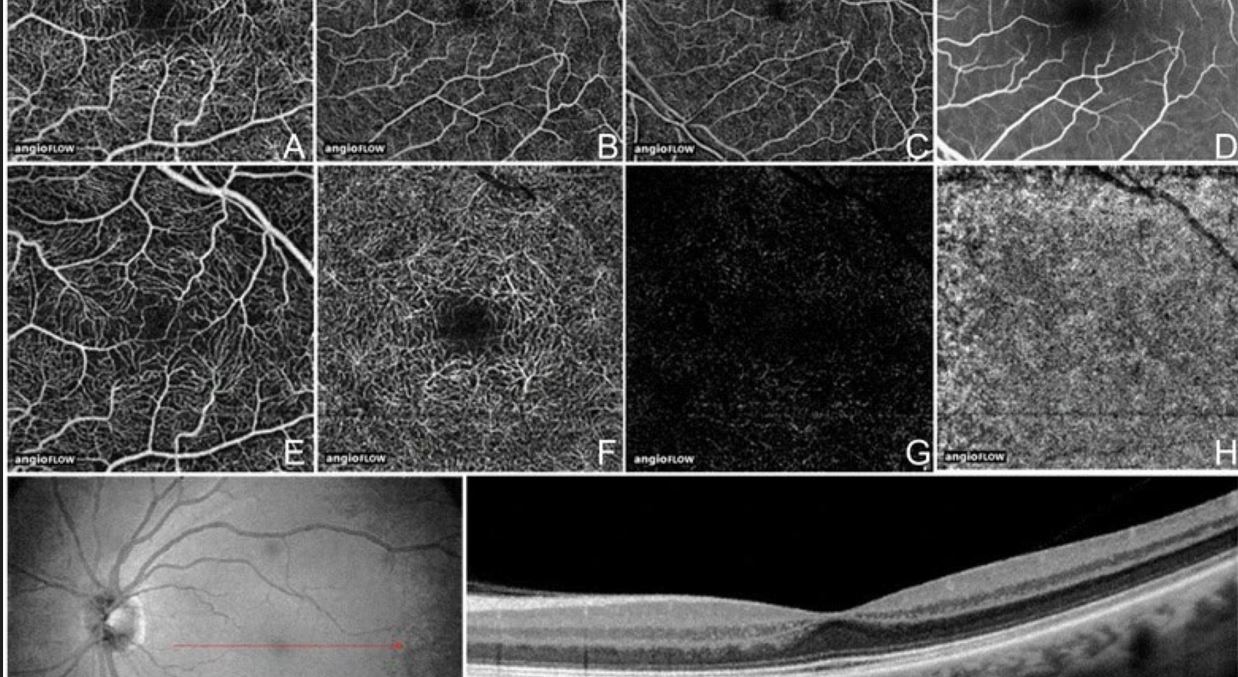
introduction:<br />Image processing is an important modern technology in ophthalmology. This technology has proven its ability to improve diagnosis and treatment in the field of ophthalmology, as it enables doctors to analyze medical images with high accuracy and extract valuable information from them. In this article, we will review advances in image processing in ophthalmology and its most important current applications.<br /><br />Image processing advances in ophthalmology:<br /><br />Image processing in ophthalmology depends on the use of modern technologies to improve the quality of medical images and analyze them accurately. Among the major developments in these areas:<br /><br />Image quality improvement: Ophthalmology uses image processing techniques to improve the quality of medical images taken by modern imaging devices. This is done by removing distortions and noise in the images, which helps doctors see details better and make sound decisions.<br /><br />Early detection of diseases: Image processing in ophthalmology has enabled the development of techniques for early detection of eye diseases, such as glaucoma, macular depigmentation, and retinal infections. Accurate analysis of medical images can help diagnose these diseases in their early stages and increase the chances of successful treatment.<br /><br />3D imaging: Ophthalmology also uses 3D image processing techniques, allowing doctors to obtain 3D images of the eye and its various parts. This helps in better understanding the structure of the eye and locating diseases and cracks with high accuracy.<br /><br />Image processing applications in ophthalmology:<br /><br />Laser eye surgery: Laser is used in eye surgery to treat problems such as vision correction and cataract removal. These operations are based on careful analysis of the eye's images using image processing techniques.<br /><br />Diagnosis of retinal diseases: The analysis of medical images helps in diagnosing retinal diseases with high accuracy, which facilitates the process of determining the treatment plan and following up on the development of the condition.<br /><br />Refractive defects: Image processing can be used to analyze eye aberrations and refractive defects, and to build 3D models of the eye to determine the best solutions for correcting vision.<br /><br />conclusion:<br /><br />Image processing continues to advance advances in ophthalmology and improve patient care. Image processing techniques contribute to improving disease diagnosis, providing early treatment, and improving the quality of life for patients. It is expected that these advances will continue and expand the use of image processing in ophthalmology in the future, which will contribute to improving patient care and providing more accurate and effective treatments.