A scientific article by Lecturer M. M. Ali Hussein Al-Nasrawi entitled (Keloids and Hypertrophic Scars)
16/08/2023 Share :
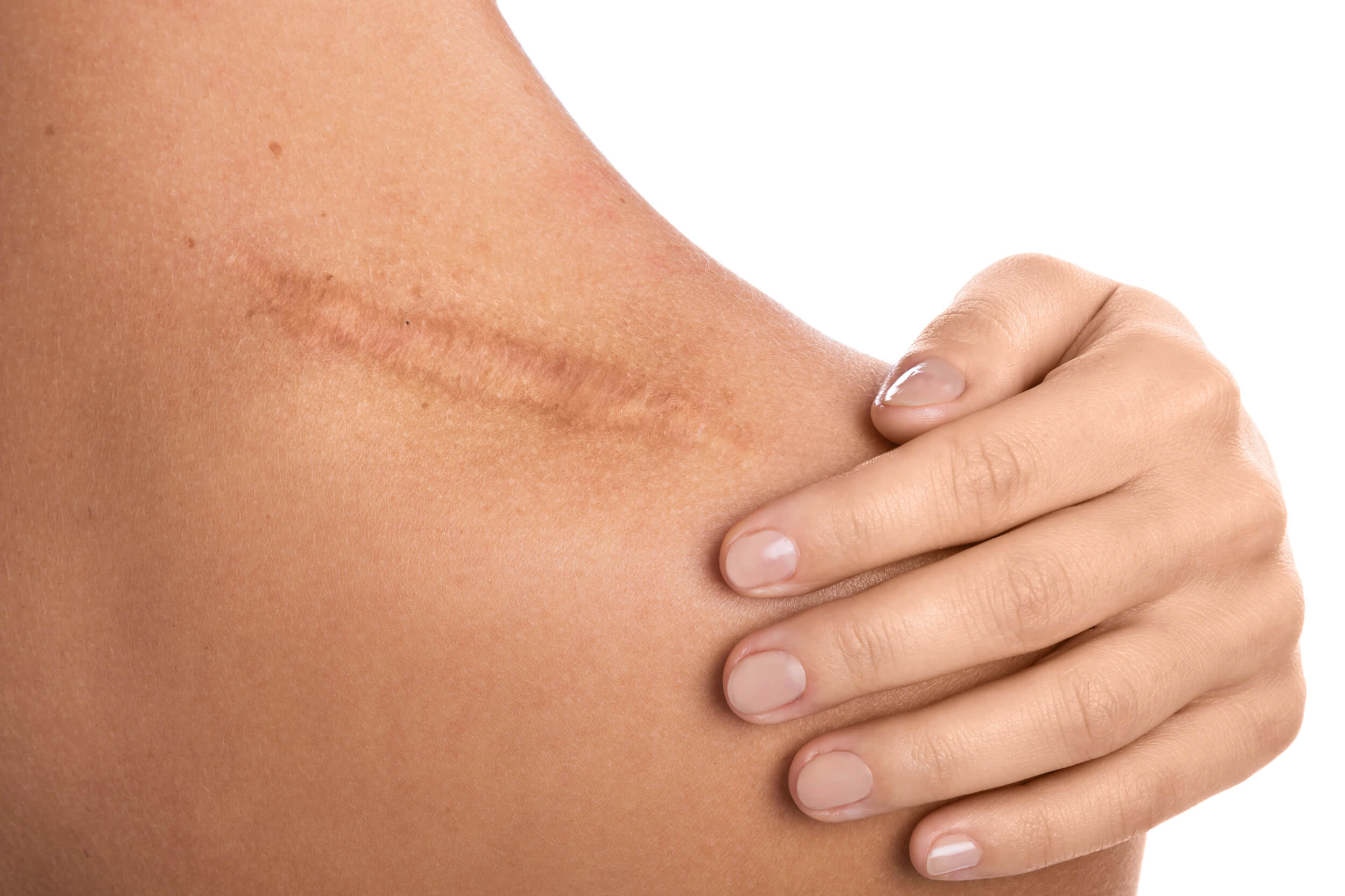
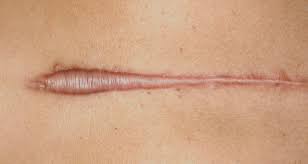
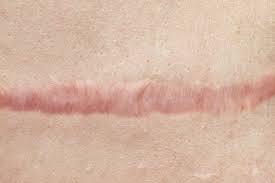
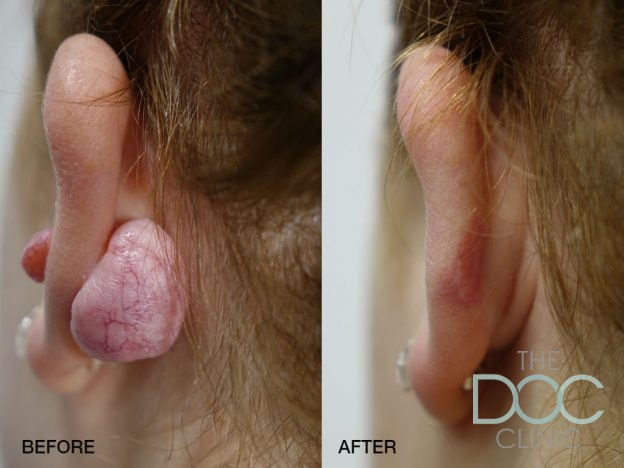
Keloids and hypertrophic scars are both types of scars that occur due to an overgrowth of tissue at the site of a healed skin injury. Keloids extend beyond the original wound margin, while hypertrophic scars are limited to the area of damaged skin.<br />Keloids and hypertrophic scars can be caused by various forms of physical or chemical injuries, such as trauma, burns, insect bites, surgery, vaccination, skin piercing, acne, folliculitis, chickenpox, and herpes zoster infection <br />Notably, superficial injuries that do not reach the reticular dermis never cause keloidal and hypertrophic scarring .<br />Received message. Keloids and hypertrophic scars are both types of scars that occur due to an overgrowth of tissue at the site of a healed skin injury. Keloids extend beyond the original wound margin, while hypertrophic scars are limited to the area of damaged skin. Keloids and hypertrophic scars can be caused by various forms of physical or chemical injuries, such as trauma, burns, insect bites, surgery, vaccination, skin piercing, acne, folliculitis, chickenpox, <br />and herpes zoster infection . <br />Notably, superficial injuries that do not reach the reticular dermis never cause keloidal and hyper-trophic scarring . Would you like more information on any specific cause?<br />What is the difference between keloids and hypertrophic scars?<br />Keloids and hypertrophic scars are both types of scars that occur due to an overgrowth of tissue at the site of a healed skin injury. However, there are some key differences between the two.<br />Keloids extend beyond the original wound margin and can continue to grow over time. They can also recur after being removed.<br /> Hypertrophic scars, on the other hand, are limited to the area of damaged skin and do not grow beyond the original wound. <br />They also tend to improve over time and may eventually fade.<br />Another difference between keloids and hypertrophic scars is their appearance. Keloids are usually raised, shiny, and hairless, while hypertrophic scars are raised but not as much as keloids and may have a red or purple appearance.<br />Keloids and hypertrophic scars are both types of scars that occur due to an overgrowth of tissue at the site of a healed skin injury. However, there are some key differences between the two. Keloids extend beyond the original wound margin and can continue to grow over time. They can also recur after being removed. Hypertrophic scars, on the other hand, are limited to the area of damaged skin and do not grow beyond the original wound. They also tend to improve over time and may eventually fade. Another difference between keloids and hypertrophic scars is their appearance.<br /> Keloids are usually raised, shiny, and hairless, while hypertrophic scars are raised but not as much as keloids and may have a red or purpleappearance.